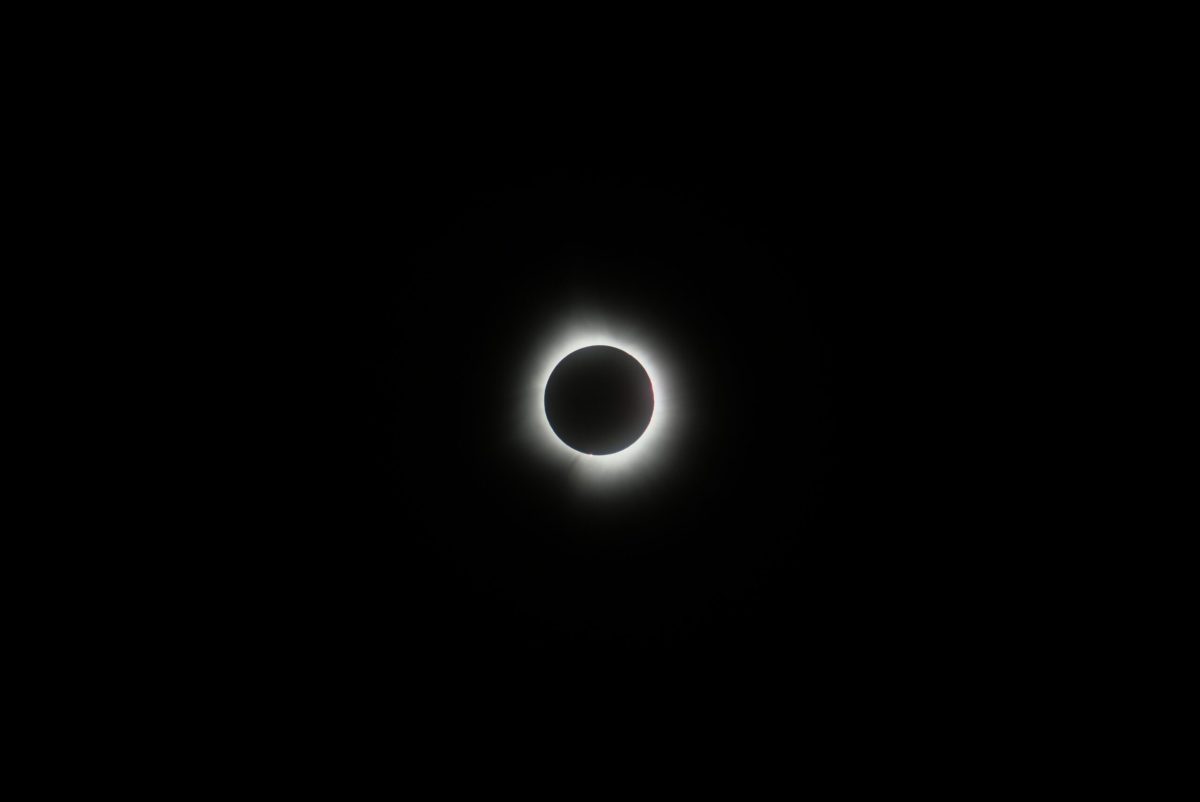
Mark your calendar for August 12, 2026. On that date, the sun will vanish from Spanish skies for nearly two and a half minutes as a total solar eclipse sweeps across the country. For most Europeans, this will be a once-in-a-lifetime moment. The last time Europe experienced totality was 1999. The next time will be 2026 in Spain, which means every eclipse chaser on the continent is already eyeing plane tickets.
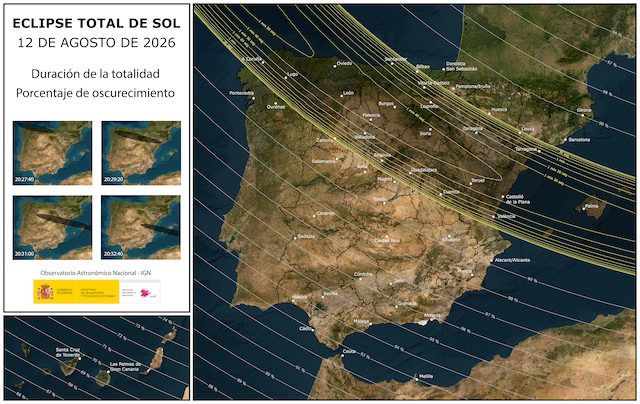
The eclipse path will cut across 40 percent of Spanish territory, beginning in the northwest at A Coruña and traveling southeast all the way to Valencia before hopping over to the Balearic Islands. This isn't a tiny sliver of a viewing zone. Spain has positioned itself as the most accessible eclipse destination in Europe, with better infrastructure and hospitality options than other territories the eclipse will touch (hello, Siberia and the Arctic).
Airports and hotels are already feeling the heat. Expedia reports that flight searches to Palma de Mallorca during eclipse week have more than tripled compared to the same period last year. Some tourism experts estimate that Mallorca, which normally welcomes about two million visitors annually, could receive an extra million travelers in that single week alone. A Coruña, which juts dramatically into the Atlantic, has seen hotel searches surge by 435 percent year-over-year as of January 2026. Even the inland regions are feeling it. Hotels.com found that room searches for the Spanish north were already up 125 percent on average.
Spain's tourism machine is already running at record capacity. As travel continues to reshape economies worldwide, destinations are betting big on visitor numbers. Greece just posted its best tourism year on record, and Spain isn't keen to lose ground. But the eclipse creates a scheduling crunch unlike anything the country has faced before. You can't manufacture a hotel room, and you can't move an eclipse.
Where to Chase the Shadow
The Balearic Islands are probably the most romantic choice. Picture watching the eclipse from the Mediterranean coast as the sun sets over the water. It's the kind of moment that gets permanently etched into memory. Palma de Mallorca will draw crowds like a magnet, and availability is already tight.
A Coruña offers something different. The eclipse occurs here first, around 7:30 p.m. local time, leaving your evening free for aperitifs and tapas afterward. The city sits on a sweeping promontory with kilometers of potential viewing spots. There's one catch: A Coruña has more tall buildings per capita than anywhere else in Spain, which means you'll want a view from height or a clear sightline to the sea.
Central regions like Castilla y León and Zaragoza trade the coastal scenery for potentially clearer skies. August cloud cover tends to be lighter inland. The tradeoff is less developed tourism infrastructure, which means demand could easily outstrip what's available. Camping becomes an option here, though August temperatures in Spain have been punishing lately. Bring shade and water.
An Unconventional Option for the Adventurous
Here's a wild idea: time your trek along the Camino de Santiago de Compostela to reach the path of totality at exactly the right moment. The famous pilgrimage route intersects the eclipse path in northern Spain, and for those walking westbound, totality will occur in early afternoon. That's the perfect reason to pause your journey, sit quietly for a couple of minutes, and watch the world go dark in the middle of the day. It's the kind of synchronicity most people never experience. (Just try not to trip over a rock during those two minutes of darkness.)
Spain's eclipse.info website is already urging travelers to book far in advance and plan for at least a week-long trip. That's not marketing hype. They're trying to spread demand across the country and extend visitors' stays so that the entire economy benefits, not just the main eclipse zones. The site also notes that Spain will experience two more eclipse events before 2030, so there's still flexibility if August 2026 doesn't work for your schedule.
The bottom line is this: if you want to witness a total solar eclipse from Western Europe in the next generation, Spain is offering the best and most accessible option. But the window for booking is closing faster than you'd expect. Hotels are disappearing. Flights are getting expensive. The eclipse itself isn't going anywhere on August 12, 2026, but the beds and rental cars definitely are.