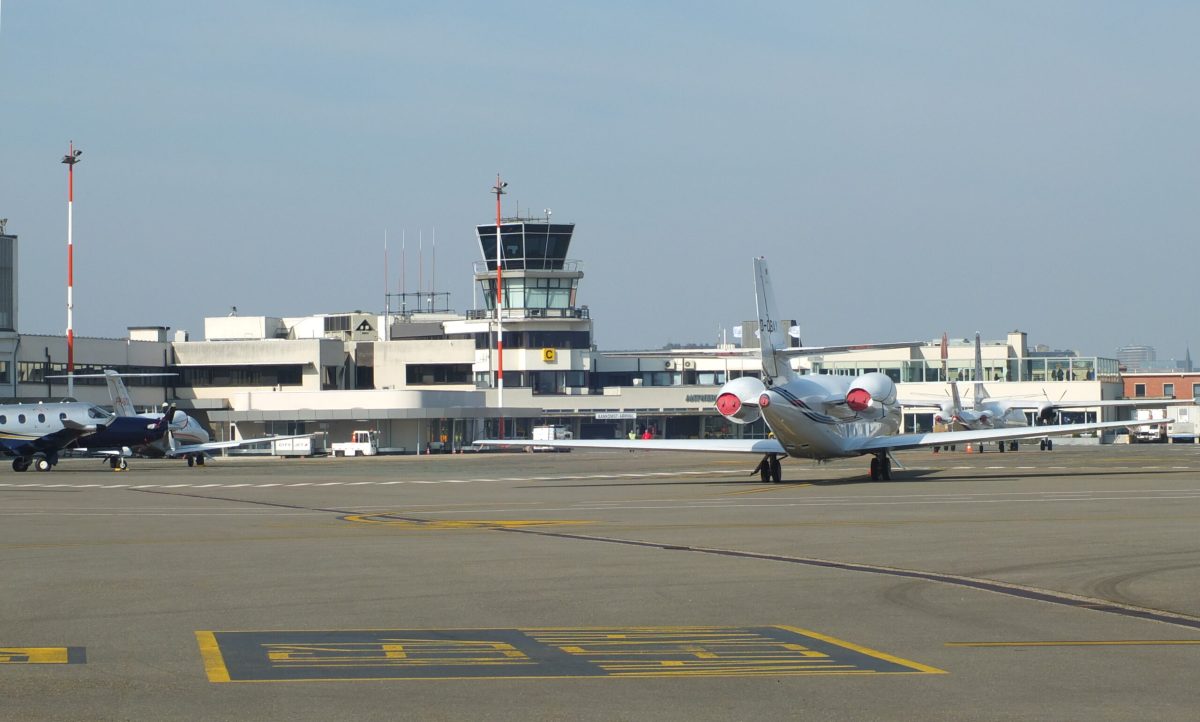
Flying into Belgium's smaller cities just got more complicated. The Flemish regional airports in Antwerp, Ostend, and Kortrijk are facing a funding squeeze, as the regional government plans to slash subsidies that have kept these hubs operational for years.
Last year, these three airports collectively received roughly 13 million euros in operating subsidies plus investment money from the Flemish government. Yet despite that support, things are barely holding together. Antwerp and Kortrijk both recorded losses in 2024. Ostend managed a profit, but only thanks to a one-time financial boost of half a million euros. Mobility Minister Annick De Ridder acknowledged the grim picture when discussing the airports' 2024 performance.
The underlying problem is no secret. A 2022 cost-benefit analysis suggested that shutting down Antwerp and Kortrijk airports would actually save money in the long run. Then in October 2025, things got more serious when Antwerp's operator faced an "alarm bell procedure," a legal mechanism that allows creditors to petition for the company's liquidation. This is the kind of red flag that should worry any government thinking about the region's connectivity.
Can They Actually Become Independent
Yet De Ridder is not throwing in the towel. She commissioned another cost-benefit study showing that Ostend's economic value to the region reaches around 100 million euros, while Antwerp contributes approximately 70 million euros. By February 2026, she declared that both airports were back in the black, though the underlying data supporting that claim remains unpublished.
Now De Ridder is drafting fresh funding agreements designed to break the airports' dependence on government money. The blueprint includes some creative tactics: developing vacant land, attracting more passengers, improving bus connections to city centers, and installing solar panels for revenue. These aren't fantasy ideas, but they've already been rejected multiple times by the Flemish government itself. Critics say the proposals lack specifics about how financially struggling airports actually transform into self-sufficient operations.
"Cutting subsidies without a real plan is not policy," argued Bogdan Vanden Berghe, a member of the Flemish Parliament. "Until there's a working business model, a genuine recovery strategy, and clarity on how much money these airports still owe in back subsidies, that funding will keep vanishing." Industry analyst Luk De Wilde adds that the core issue comes down to volume. These airports simply don't move enough passengers or cargo to justify their operating costs.
The timing could hardly be worse. Europe's airports have faced recent headwinds after years of recovery, and now the European Commission is tightening rules around government subsidies, particularly for aviation. New restrictions would cap operating aid at five years, eliminate investment subsidies for airports handling over three million passengers annually, and cancel support for new route launches. Industry groups like Airports Council International Europe are already pushing back against these tighter rules.
For travelers planning trips to Antwerp, Ostend, or Kortrijk, the next chapter remains murky. These regional gateways offer convenient access to Flanders without the crowds and prices of Brussels Airport. But their future depends on a government that hasn't yet figured out how to keep them afloat while cutting their lifeline. The real test will come when that funding document finally surfaces and the Flemish government has to choose between ideology and practicality.