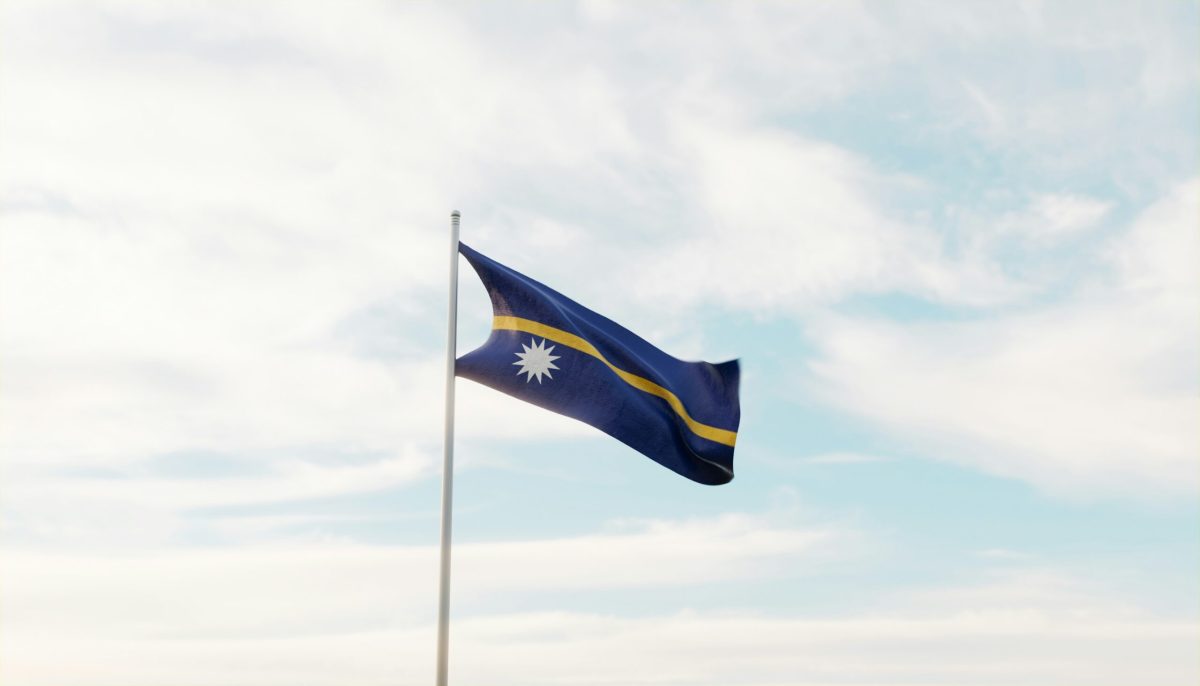
Picture a speck of land in the central Pacific Ocean, just 21 square kilometers with around 12,000 residents, finally taking back what was always theirs. In August 2026, the island nation of Nauru officially became Naoero, adopting the name its people have called home in their own language for generations.
For decades, the world knew this place by a name imposed during colonial rule. But President David Adeang had other plans. "This proposed change seeks to more faithfully honour our nation's heritage, our language, and our identity," he told parliament in January before the government voted to make it official. It's a reminder that even the smallest nations on the map have the power to reshape how the world sees them.
Why a Name Matters More Than You'd Think
The shift from Nauru to Naoero is far more than a bureaucratic shuffle. It represents a deliberate effort to strengthen the Nauruan language and reclaim cultural ground lost during generations of foreign administration. German colonizers arrived first, followed by the British, Australians, and then independence in 1968. Through it all, the local name Naoero persisted among residents, waiting for the moment when it would be recognized on the world stage.
This move sits within a larger global conversation about Indigenous languages and cultural preservation. Nations across the Pacific and beyond are reasserting their identities after centuries of external influence. For Naoero, it's about saying: we exist on our own terms, and our language is part of that identity.
A Tiny Island With a Complicated Recent History
Naoero earned the nickname "Pleasant Island" back in the day, but its story is anything but simple. The country once ranked among the Pacific's wealthiest nations, thanks to phosphate mining that transformed the landscape. Decades of extraction, however, left much of the island environmentally scarred, and the phosphate reserves that fueled prosperity have largely run dry.
Today, the economy relies on foreign aid, fishing license revenues, and a controversial arrangement: hosting Australia's offshore immigration detention center. Like many Pacific island nations, Naoero faces real challenges tied to climate change, economic dependency, and geopolitical pressure. This Island Nation Just Cracked the Code for Tourism Growth shows how some Pacific destinations are charting new economic paths, and Naoero may be looking at similar opportunities.
What This Means for Travelers
If you're planning a visit to this remote corner of the world, expect to see Naoero on updated maps, official documents, and tourism materials going forward. The transition will take time - governments and international organizations need to update references across countless documents and systems. But the practical experience of visiting won't change dramatically. What changes is the symbolic weight: you're traveling to a place that has reclaimed its own narrative.
The island remains one of the world's least-visited destinations, which means it retains an authentic, untouched quality that mass-tourism hotspots have lost. Visitors interested in diving, exploring Pacific culture, or understanding global issues around small island nations and climate vulnerability will find Naoero compelling. It's not a beach resort destination in the traditional sense, but for curious travelers, it offers something rare: access to genuine Pacific island life and the chance to witness a nation actively working to preserve its identity.
The name change won't appear on most international travel guides yet, but it's a signal of something important. Nations, even tiny ones, are taking control of their own stories. When you visit Naoero, you're not just seeing a place; you're respecting a deliberate choice its people have made about who they are and how they want to be known.