The Isle of Man sits in the middle of the Irish Sea, wedged between the UK and Ireland. For years, most people knew it mainly as a tax haven and the home of a legendary motorcycle race. But something shifted over the past decade, and now the island is pulling in visitors at rates that rival more famous destinations, all by doing something counterintuitive: prioritizing what each traveler spends over how many show up.
The numbers tell the story. In 2025, the island welcomed 352,301 visitors, and those guests spent a combined £107 million. The entire visitor economy is now worth £433 million to the island's economy. That represents a jaw-dropping 95% increase since 2018. Yet here's the kicker: the island's leadership isn't celebrating raw visitor numbers. They're celebrating the fact that each traveler is spending more money and leaving happier.
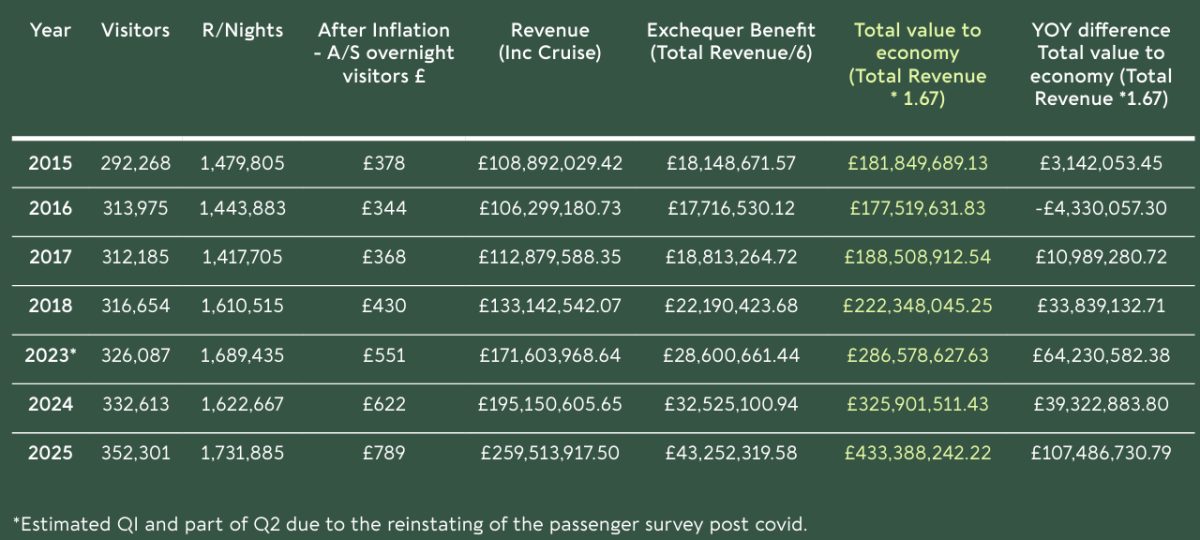
Deborah Heather, CEO of Visit Isle of Man, put it plainly: "What is particularly encouraging is that we are not simply growing visitor numbers; we are growing value." The average visitor spend already exceeds targets that weren't supposed to be hit until 2032. Customer satisfaction has reached 99.2%, which in tourism-speak means the island is essentially nailing the experience. This kind of growth strategy could serve as a blueprint for other destinations trying to build sustainable tourism rather than just chasing crowds.
How an Island Became Unexpectedly Extraordinary
Part of this success traces back to 2016, when the Isle of Man became the first entire nation to earn UNESCO Biosphere status. The designation brought serious credibility and global attention. Suddenly, people started learning about the island's dramatic coastline, medieval castles, and the wild topography that hosts the famous TT motorcycle race each year. UNESCO recognition also highlighted something deeper: the Manx Gaelic language has undergone a genuine resurgence, and traditional festivals like Oie Voaldyn (the spring fire festival) keep thriving.
The island understood something crucial about modern travel. People increasingly crave authentic experiences away from the typical tourist circuit. They want to encounter real culture, not manufactured attractions. They want clean beaches, safe communities, and places where locals actually live and work alongside visitors rather than for them. The Isle of Man had these qualities built in. It just needed to tell the story properly.
The Campaign That Changed Everything
In 2024, the island launched "Extraordinary Isle," a promotional campaign that pushed back against generic destination marketing. Instead of rehashing tired tourism cliches, the campaign centered on Manx stories, folklore, landscape, and community. It unearthed the island's distinct cultural identity and heritage. The message was simple: this place is genuinely different.
The timing aligned with broader travel trends. After years of pandemic-driven demand for outdoor adventures and remote getaways, travelers have gotten pickier. Generic beach resorts and crowded city tours appeal less than they once did. Quirky, lesser-known destinations with character and authenticity command loyalty. Uzbekistan saw similar growth by leaning into its unique position on the Silk Road, showing that this pattern holds across regions.
What makes the Isle of Man case particularly smart is that growth in value doesn't require constant infrastructure expansion or overcrowding. The island sets a target of 500,000 visitors by 2032, but quality matters more than hitting that number at any cost. Better to have 350,000 travelers spending £300 each than 500,000 barely spending anything.
Why This Matters for Other Travel Destinations
Tourism boards everywhere chase the same metric: visitor arrivals. Airlines tout capacity increases. Hotels tout occupancy rates. Destinations brag about being "busier than ever." But busy doesn't equal profitable, sustainable, or good for residents. Overcrowded popular destinations often experience a downside: degraded experiences, environmental stress, resentment from local communities, and eventually, fewer repeat visitors.
The Isle of Man proved a different playbook works. By focusing on experience quality, cultural authenticity, and meaningful visitor value, the island grew its economy faster while keeping satisfaction ratings in the stratosphere. Residents don't feel overrun. Businesses thrive because customers spend more. The island's infrastructure handles the volume without strain. It's not a perfect model (no destination is), but it's a sharp contrast to the grind-based growth happening elsewhere.
For travelers, this means the Isle of Man is worth serious consideration. You'll find dramatic scenery without the crushing crowds of more famous British Isles destinations. You'll experience genuine Manx culture, not a performance designed for tourists. You can trace Viking and Celtic heritage through actual monuments and living traditions. The bike racing fans will find paradise, but families and cultural explorers will too. As one visitor put it on social media after experiencing the island firsthand, it's unexpectedly beautiful, remarkably clean, wonderfully safe, and genuinely full of things to discover. That's not marketing speak. That's what happens when a destination builds for the right kind of growth.