Here's something that might surprise you: while sustainability news has been drowned out by other headlines, the people actually planning vacations are quietly becoming more thoughtful about their impact. A fresh study by the European Travel Commission and Kairos Future tracked 3,000 long-haul travelers from Australia, Brazil, Canada, China, Japan, and the U.S. to see how their habits are shifting. The verdict: modest but real growth in four key areas of responsible travel.
The research examined four specific behaviors: choosing destinations beyond the tourist maps, visiting during quieter seasons, connecting with local communities, and making greener transportation choices. None of these are radical departures from how we already travel, yet each one showed measurable improvement compared to 2024 baseline numbers.
Green Transport Is Leading the Charge
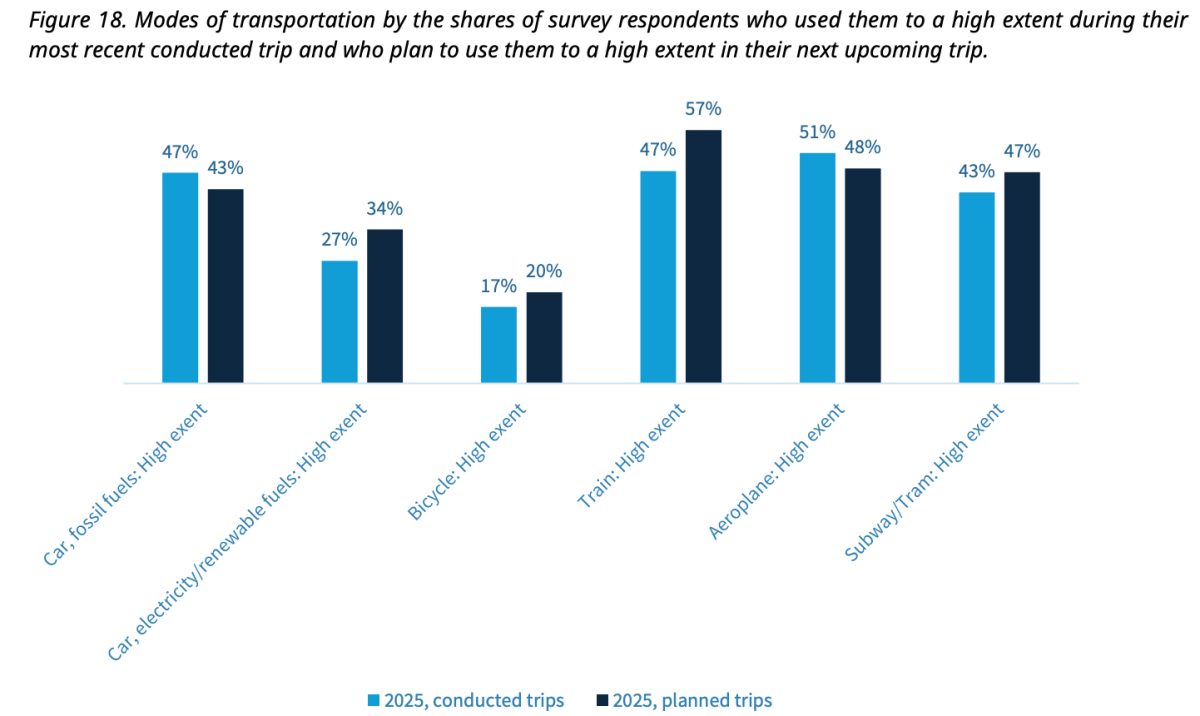
The biggest shift came in how travelers move around Europe once they arrive. Green mobility options jumped from 13% in 2024 to 18% in 2025, while passengers ditching fossil fuel-dependent transport dropped from 35% to 30%. That means trains, buses, and electric vehicles are finally competing with rental cars and taxis in travelers' minds.
The appeal makes sense. Rail travel within Europe has genuine advantages: no parking hassles, time to read or watch the landscape blur past, and the ability to see how locals actually get around. The practical problem is that booking trains across multiple countries remains fragmented and confusing. This gap between wanting to take the train and actually figuring out how to book one is real, and it's where Europe's tourism infrastructure needs to catch up.
Off the Beaten Path Is Becoming Less Niche
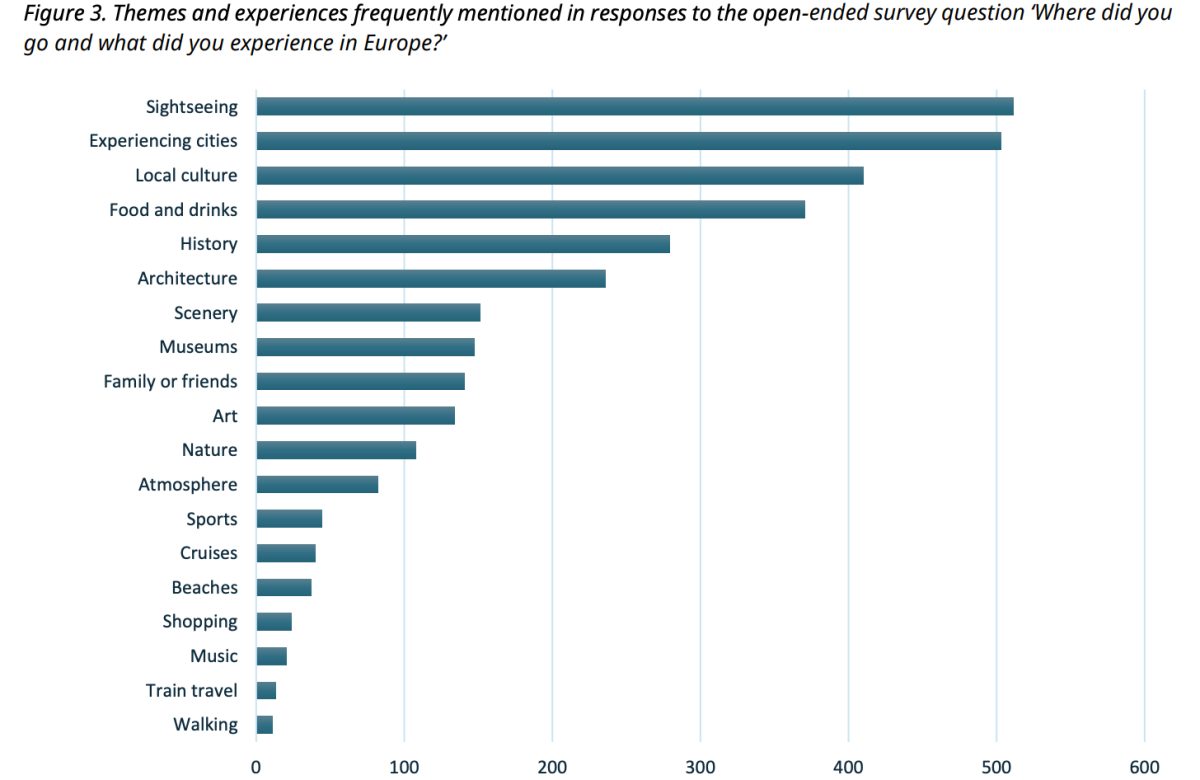
Travel guides have preached "go off the beaten path" forever, but the data now shows it's sticking. The index for visiting lesser-known destinations climbed to 106, suggesting more travelers are skipping the obvious Instagram spots in favor of authentic encounters. Equally promising, engagement with local communities hit 105, with visitors increasingly drawn to locally-owned guesthouses, regional food, and cultural traditions rather than chain hotels and standardized experiences.
This shift reflects something deeper than just a trend. Travelers have grown savvier. They've seen overtourism turn beloved cities into theme parks, watched historic neighborhoods transform into souvenir shops, and read stories about communities pushed out by tourism. The result is a generation more curious about traveling as a guest, not a consumer.
Slower Travel Is Catching On
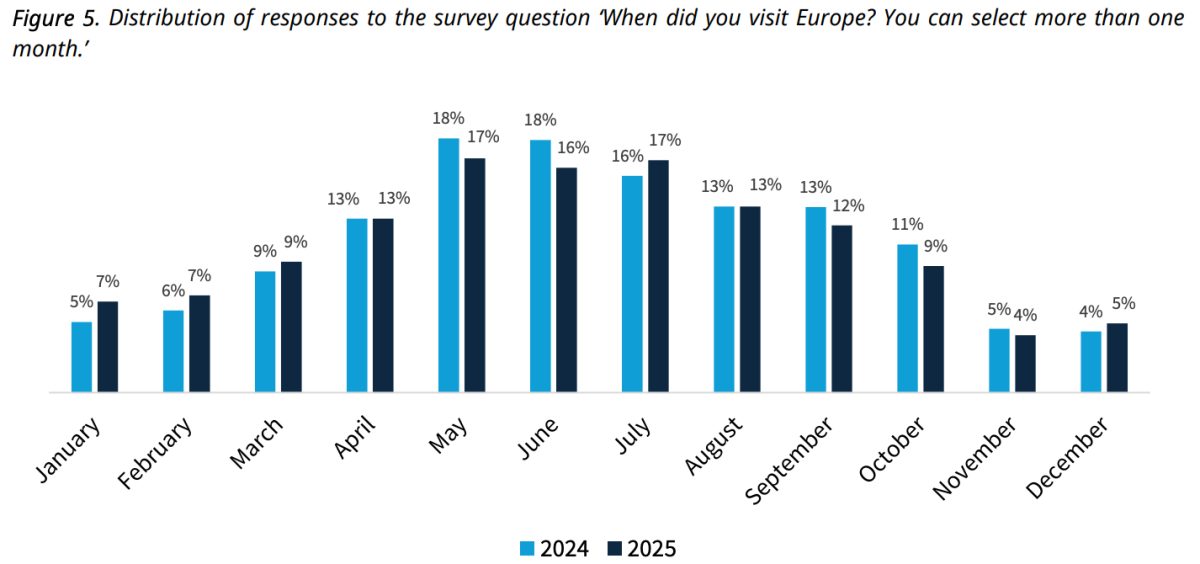
The off-season travel index nudged up to 102, signaling that some visitors are finally spreading out their trips beyond July and August. This isn't earth-shattering growth, but it matters. When travelers visit in September or May instead of peak season, they reduce strain on infrastructure, support local economies during slower periods, and actually enjoy destinations before crowds overwhelm them.
Here's where the study gets honest though: travelers want to make these choices, but they need help. The report identified three specific friction points. First, most people don't know which months count as off-season for their chosen destination. Second, green travel options cost more upfront, making them harder to justify. Third, rail booking systems remain a labyrinth when you're trying to connect trains across countries.
Turning Intention Into Action
Eduardo Santander, CEO of the European Travel Commission, framed the challenge clearly: awareness campaigns only go so far. Real change requires destinations and operators to remove barriers. Make off-season travel visible in booking interfaces. Price electric buses competitively. Simplify cross-border rail reservations. Create dedicated quiet seasons with special programming rather than just discounts.
The commission is pushing this agenda through campaigns like "Unlock the Unexpected Upgrade," working with European destinations to market slower travel and authentic cultural experiences. But the real work falls on everyone involved in tourism, from transport operators to accommodation providers.
The data suggests travelers are ready for small, achievable changes. They're not asking to camp in forests or eat only foraged berries. They want to stay in family-run hotels, take trains when practical, avoid overcrowded months, and support local businesses. Most of these choices save them money or enhance their experience anyway.
If Europe's tourism infrastructure can address the practical friction points, this modest growth could accelerate. For travelers planning a European adventure, the signal is clear: choosing the slower route, the local restaurant, the train instead of the rental car, and the shoulder season instead of peak summer isn't just better for destinations. It's often better for you too.