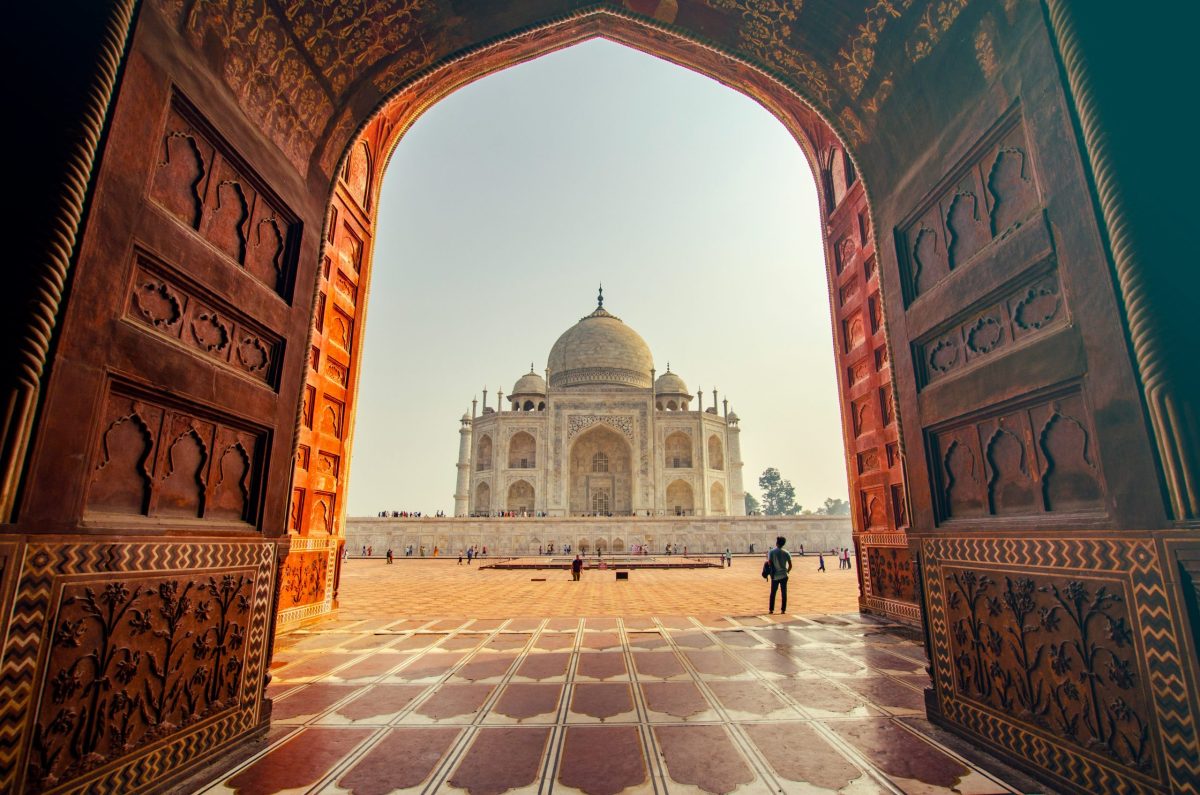
India has long been a destination that rewards patience, especially when it comes to paperwork. But that's about to change. By the end of 2026, the country will roll out a streamlined visa system that cuts the number of categories from 13 to just nine, and opens the door to a wider range of travelers, from yoga enthusiasts to visiting professors.
The new system, announced by the Indian government, is designed to make entry smoother and more purpose-driven. The revamped categories include Business, Diplomatic, Work, Journalism, Medical, Official, Student, Visitor, and Miscellaneous visas. Essentially, foreign nationals can now visit for tourism, wellness, short-term courses, research, and more, all under a clearer, more flexible framework.
Visitor Visas Get a Split Personality
The new Visitor Visa comes in two flavors. The V-1 is a 30-day, multiple-entry visa perfect for a quick getaway or a whirlwind tour of the Golden Triangle. The V-2, on the other hand, offers stays of one, five, or ten years, depending on your eligibility. That's a game-changer for repeat visitors who want to return year after year without the hassle of reapplying.
For adventure seekers, there's a separate six-month, multiple-entry visa reserved specifically for mountaineering. So if you're planning to tackle the Himalayas, you'll have the flexibility to acclimatize, descend, and go back up without bureaucratic hurdles.
Heal in India, Study in India
India is also betting big on medical and wellness tourism. The new M-1 Medical Visa covers conventional treatments, while the M-3 is tailored for alternative therapies like Ayurveda, Yoga, and Naturopathy. The M-2 and M-4 visas are for companions accompanying patients. This is part of a broader “Heal in India” initiative to attract foreign patients who need extended care or multiple follow-ups.
Students and academics aren't left out. The Student Visa is now split into S-1 for school and university programs, and S-2 for doctoral studies, research, internships, and exchanges. Visas are valid for up to five years or the duration of the program, whichever is shorter, and allow multiple entries. That's a boon for anyone considering a semester abroad or a long-term research project.
Business and Beyond
Business travelers will find a clearer path too. The B-1 visa is for long-term ventures, while the B-2 covers short-term gigs like conferences, film shoots, and visits by technical experts. So if you're a filmmaker scouting locations or an engineer overseeing a project, the B-2 has you covered.
The Miscellaneous category is reserved for people of Indian origin, their families, dependents of long-term visa holders, and those heading to the Auroville Foundation township. It also includes neighboring citizens like Afghan nationals.
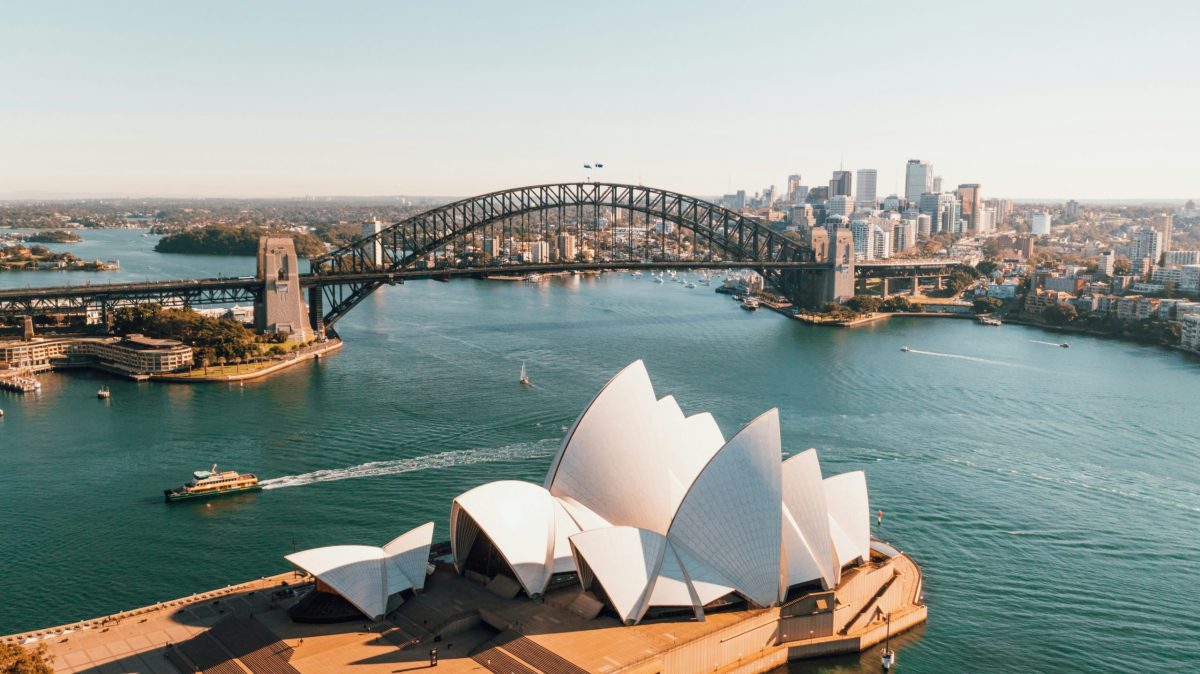
These changes are part of a larger push to make India more accessible, and they come at a time when other countries are tightening their rules. For instance, Australia recently adjusted its working holiday visa rules, and Europe has been rethinking travel regulations. India, meanwhile, is opening its doors wider.
While the system still has layers, the intent is clear: India wants to be a top destination for wellness, education, and business. Whether you're planning a yoga retreat in Rishikesh, a film shoot in Mumbai, or a research stint in Delhi, the new visa rules are designed to make it happen with less red tape.
So start dreaming. India is about to get a whole lot easier to explore, and with the new multi-year options, you might just find yourself returning again and again.