September was a blockbuster month for European aviation. Airports across the continent welcomed 3.2% more passengers than the same month last year, according to the latest report from ACI Europe, the trade body representing Europe's airports. The summer rush stretched well into autumn, with the third quarter overall posting a 3.4% year-on-year increase.
But before you book that winter getaway, here's the catch. The good times may be about to hit turbulence. Airlines are planning just 1.6% more seat capacity for the 2026-2027 winter season, a sharp drop from the 6.3% growth they added last winter. Persistent high jet fuel prices and a renewed cost-of-living squeeze are forcing carriers to pull back.
Why September Was So Strong
Olivier Jankovec, Director General of ACI Europe, credits the extended peak season for the surge. Travelers kept flying well past the traditional summer window, showing remarkable resilience despite geopolitical tensions and economic headwinds. But not every market shared the spoils. Slovakia led the pack with a jaw-dropping 74.6% passenger jump, followed by Montenegro at 26.4% and North Macedonia at 25.2%. Meanwhile, Austria, Iceland, and Latvia saw traffic slide into negative territory.
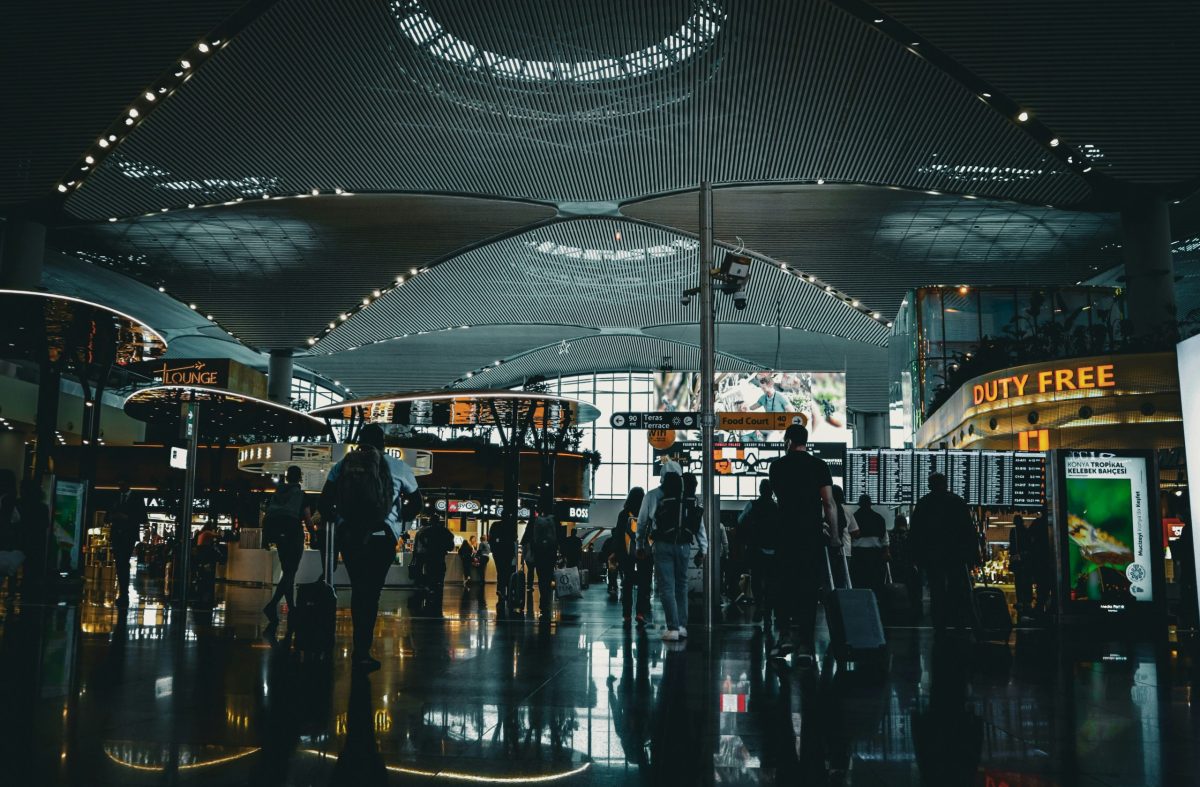
The busiest hubs in September were Istanbul with 7.85 million passengers, London Heathrow at 7.18 million, Madrid at 6.31 million, Paris-Charles De Gaulle at 6.22 million, and Amsterdam-Schiphol at 6.21 million. Among the mega-airports, Istanbul Sabiha Gökçen was the star performer, growing 8.4% to 4.79 million passengers.
Winter Is Coming, and It's Not Pretty
Jankovec warns that airlines are moving beyond tactical tweaks and into structural capacity cuts for winter. High fuel prices are eating into profits, and with hedging coverage fading, the pain will only intensify. At the same time, rising airfares and a fresh cost-of-living crisis are testing travelers' willingness to keep flying.
For airports, the coming months will be a battle to hold onto airline capacity. Competition is heating up, and airports that can't offer attractive deals may see routes disappear. This could mean fewer flight options and higher prices for passengers, especially on less popular routes.
If you're planning winter travel, now is the time to book. Europeans are already packing for winter trips, and December is leading the way. Locking in flights early could save you from both price spikes and sold-out seats.
The summer of 2026 was officially the busiest on record, according to Eurocontrol, with flights up 2.4% over the previous summer and a single-day peak of 37,640 flights on July 10. But that record may stand for a while. With airport traffic dipping slightly in Asia due to similar pressures, the global picture is mixed.
For now, the message is clear: book early, expect fewer choices, and brace for higher fares. The days of cheap, abundant winter flights may be on hold.