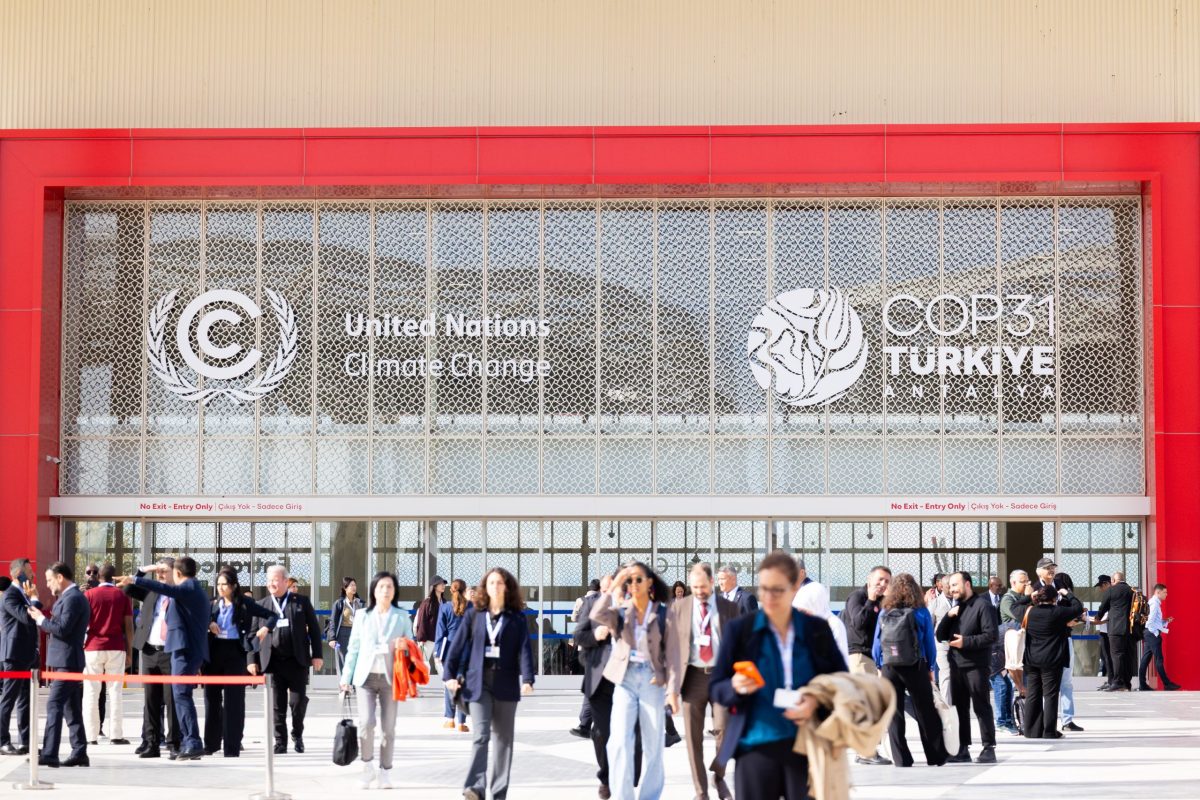
The longest UN climate conference on record ended in disappointment on Sunday, 22 November 2026, when delegates from nearly 200 nations failed to agree on a final pact. The talks in Antalya, Türkiye, stretched two days beyond their scheduled close, but in the end, the so-called Antalya Pact was never signed.
The sticking point was fossil fuels. A draft released early on Sunday still lacked a clear commitment to phase them out, and that was enough for the European Union, the UK, and others to walk away. The conference collapsed without a consensus, marking a major setback for global climate diplomacy.
Why the Talks Fell Apart
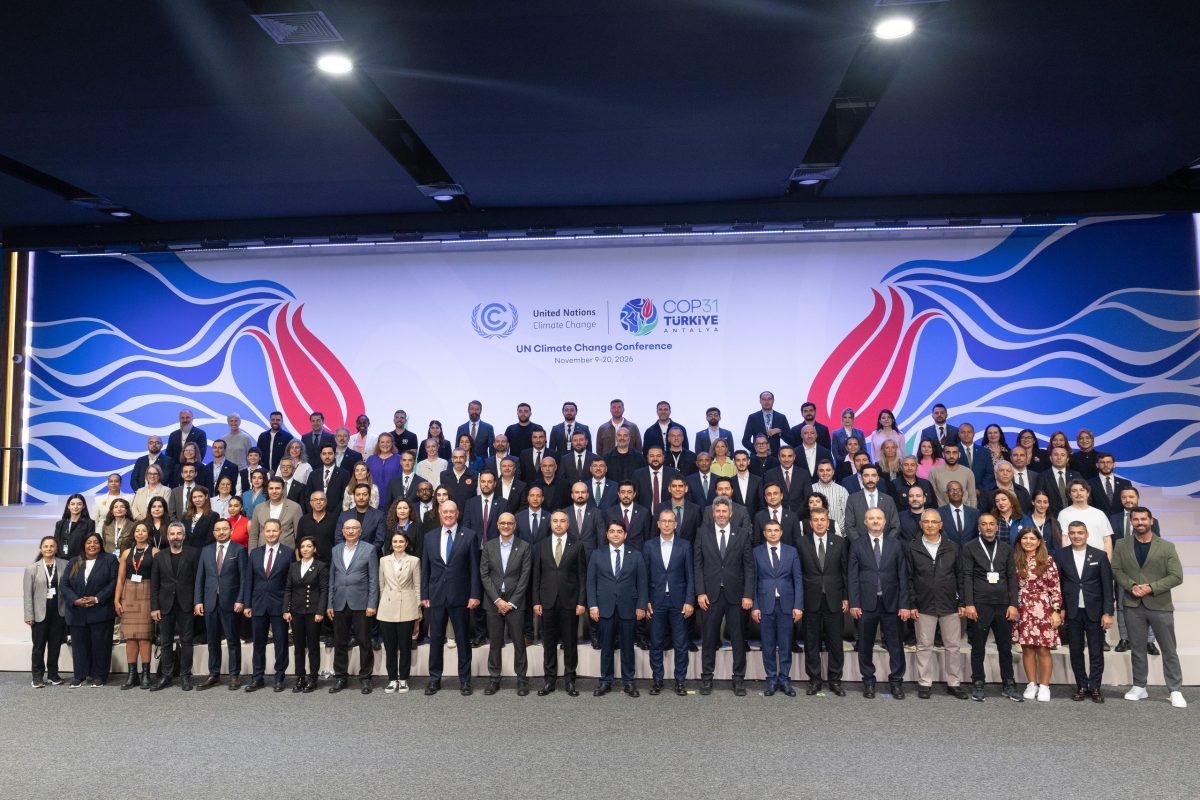
From the start, the co-hosts, Türkiye and Australia, had flagged the transition away from fossil fuels as a central theme. But the issue proved deeply divisive. An early draft from Australia, which called for a faster phase-out, was rejected after protests from Saudi Arabia and other oil producers. A second draft, released on 19 November, dropped the fossil fuel language entirely. That sparked outrage from France, Panama, and others who insisted the final deal must include a clear path away from oil and gas.
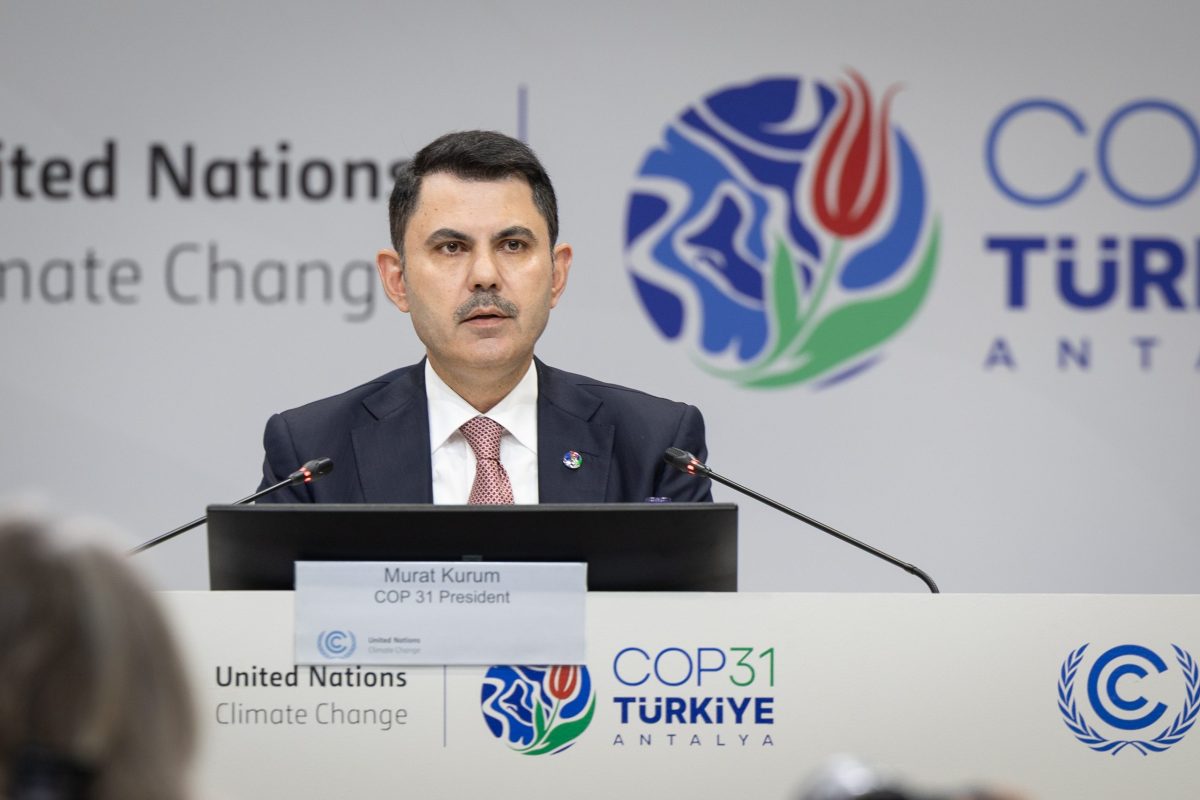
As the hours ticked past the official end date, negotiators kept working. But the final text, published on Sunday morning, still failed to satisfy the EU and its allies. The EU rejected the final draft, and with consensus required, the conference simply ended. COP31 President Murat Kurum, Türkiye's environment minister, acknowledged the failure in the closing session.
Reactions and the Road Ahead
The disappointment was immediate and loud. Ireland's climate minister, speaking for the EU, said the conference had been "hijacked by some oil states." France called the draft a "backward" step. UN Secretary-General António Guterres issued a statement saying he shared the "profound frustration" of those who expected more, and that "those who profit from the destruction of our planet must never dictate the terms of the fight to save it."
Despite the breakdown, more than 90 countries did sign a pledge to boost global electrification to 35% by 2035. But the pledge leaves a crucial question unanswered: whether that electricity will come from renewables or fossil fuels. That ambiguity, once again, underscores the core tension of this year's summit.
What This Means for Travelers
For travelers, the failure of COP31 is not just a distant political story. It has real consequences for the places we love to visit. As the Himalayas become deadlier and Europe's climate plan weakens, the need for decisive action grows more urgent. The travel industry itself is also grappling with its role, as tourism's new playbook puts communities first.
Experts warn that without a clear commitment to phase out fossil fuels, the world is on track to exceed 1.5 degrees Celsius of warming. That would mean more extreme weather, rising seas, and disrupted travel patterns. The failure in Antalya is a stark reminder that the clock is ticking.
For now, the Antalya Pact is dead. But the conversations, the pledges, and the pressure from civil society are not. Whether the next COP can do better remains to be seen. For travelers who care about the places they visit, the message is clear: the fight for a livable planet is far from over.