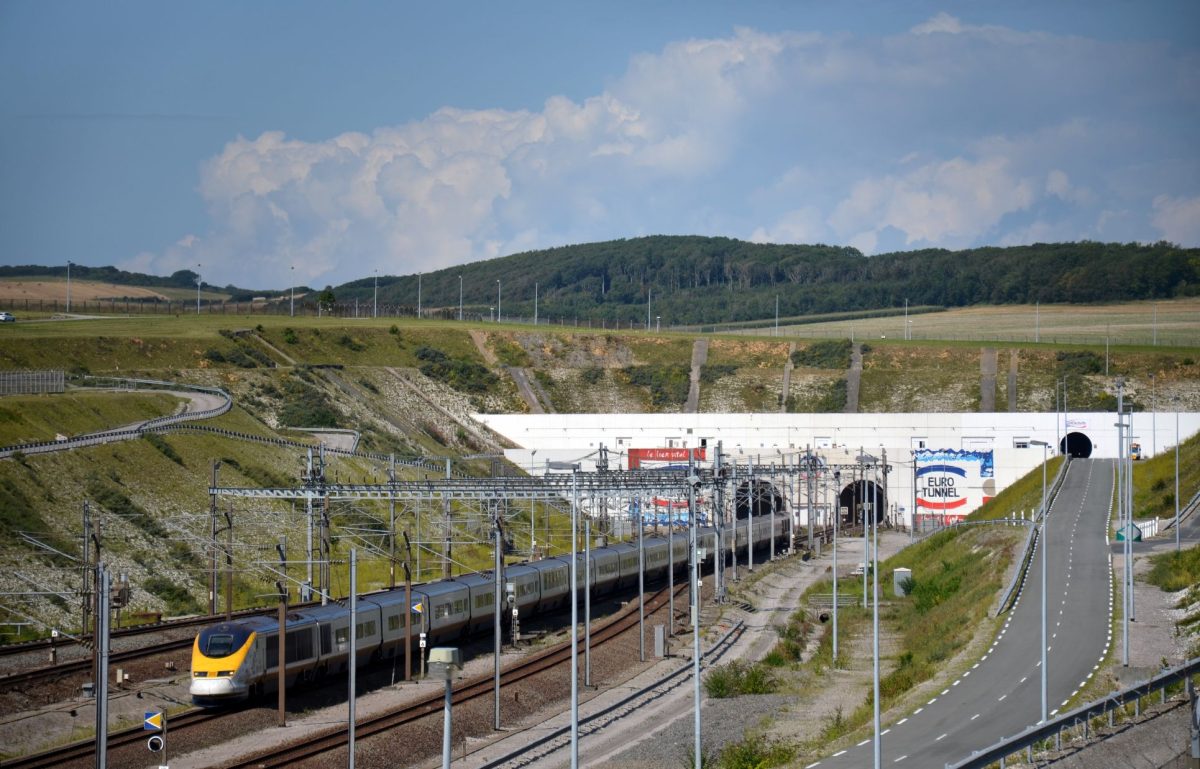
Eurostar has owned the Channel Tunnel crossing since 1994, but its days as the sole operator are numbered. The UK's Office of Rail and Road just approved Virgin Trains to run up to 20 daily services between London St Pancras and Paris, Brussels, or Amsterdam starting in 2030. That's only the beginning.
What's happening here matters beyond train schedules. When monopolies crack open, prices fall and service improves. The Channel Tunnel could soon see four or more trains hourly, fundamentally reshaping how British and European travelers move between cities. This isn't theoretical chatter. Real money and real timelines are involved.
Who's Coming to the Party
Trenitalia, Italy's state railway operator, is actually racing ahead of Virgin. The company plans a 2029 launch, one year before Virgin, with 10 return services daily. Train expert Mark Smith, known online as The Man in Seat 61, confirmed that Trenitalia holds the advantage because it ordered trains already approved for French rail and is continuing an existing production line. The Italian operator has already committed 2 billion euros to new rolling stock from Hitachi and is building an 80 million euro depot south of Paris to house its fleet overnight.
Then there's Gemini Trains, partnered with Uber, aiming to operate 11 daily services by 2030. Trenitalia and Virgin combined could double the Channel Tunnel's daily routes, but Gemini's entry would push the number higher still.
Even Eurostar itself isn't sitting idle. The current operator wants to expand by 30 percent, with a 2 billion euro train order expected to arrive in the early 2030s. The company also plans new destinations like Frankfurt and Geneva, plus a direct route to Antwerp launching in December 2026.
The Math of More Trains
Do the addition: Virgin's 20 daily services, combined with Trenitalia's 10 return services and Gemini's 11 daily services, plus Eurostar's expanded fleet, could mean 66 trains per day racing through the tunnel. That's roughly one train every 15 to 20 minutes during peak hours. Compare that to today's timetable and you're looking at a revolution in cross-Channel rail travel.
The practical impact? Fewer sold-out services. Shorter waits between departures. Competition typically pushes fares down, giving budget travelers real options beyond expensive Eurostar tickets. If you've ever booked a Channel crossing and felt trapped by limited choices and climbing prices, imagine having options again.
The Regulatory Maze Remains
Before you get too excited, there's paperwork. Mark Smith warns that both Virgin and Trenitalia still need separate national authorizations in each country they'll serve. France, Belgium, and the UK all have their own regulatory processes. Trenitalia faces another challenge: it was denied stabling space at London's overcrowded Temple Mills facility, so it's building its own depot south of Paris instead. Gemini faces similar constraints and is planning a Kent facility in southeast England.
These aren't small hurdles. They represent months, possibly years, of negotiation and approval processes. But the approvals already granted suggest regulators are serious about opening this market up.
What This Means for Your Next Trip
By the early 2030s, traveling from London to Paris won't feel like booking a rare commodity. You'll have multiple operators competing for your ticket money. That's when prices typically drop and service quality improves. Europe remains one of the world's most visited regions, and improved rail connections between the UK and continent will only make travel easier.
The Channel Tunnel has been a bottleneck for three decades. Not anymore. These changes aren't just logistical wins for the rail industry. They're game changers for travelers who want faster, cheaper, more convenient ways to explore Europe's best destinations. By 2030, the tunnel that once symbolized scarcity will become a symbol of plenty.