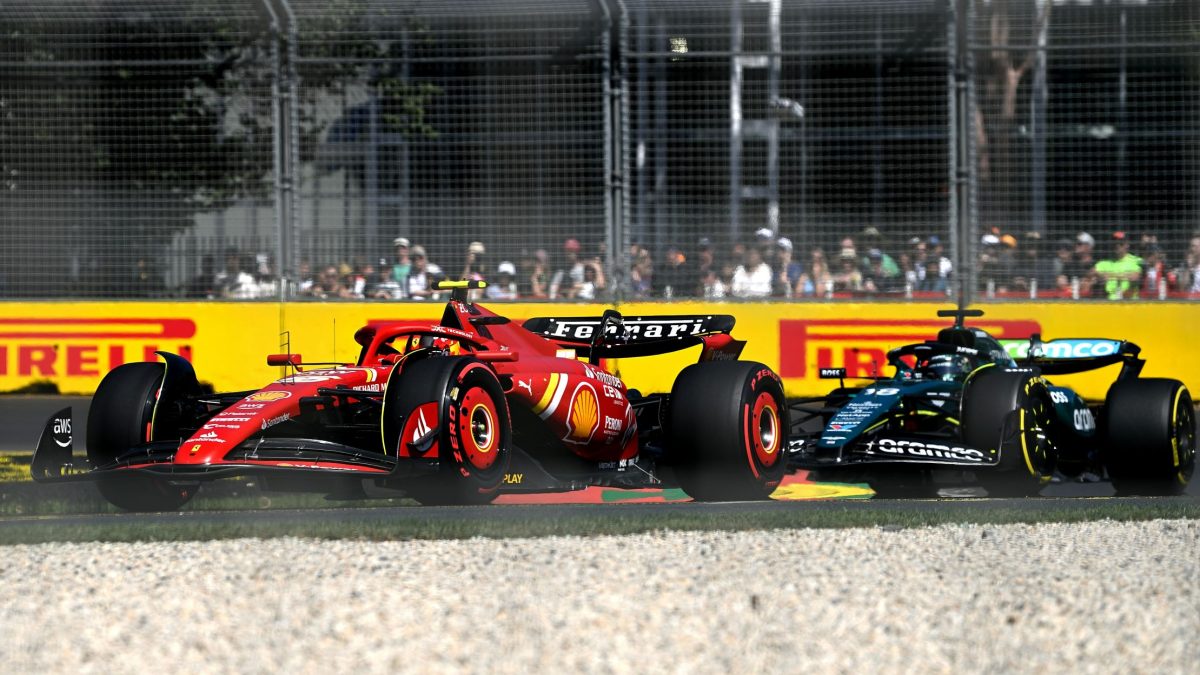
Africa is about to get its first Formula 1 Grand Prix in nearly four decades. The announcement landed on October 13, 2026, with a ten-year agreement that puts Rwanda on the F1 calendar starting in 2030. The circuit will rise in Bugesera, about 40 kilometers south of Kigali, right next to the new Kigali International Airport. That location is no accident. It is a deliberate bid to turn the country into a sporting and travel hub, not just a place to see gorillas.
The track itself is the real headliner. Early designs describe a course that uses the area's natural hills and a lake, with 197 meters of elevation gain per lap and gradients approaching 15 percent in places. Some corners will have more than 12 percent banking. At about 1,400 meters above sea level, it would be second only to Mexico City in altitude. Alex Wurz, the former F1 driver helping design it, calls it a rollercoaster. He says he has done thousands of laps in the simulator to get the layout right. This is not a flat, cookie-cutter circuit. It is meant to feel wild.
The racing world has rallied behind the idea. Lewis Hamilton has long said Africa deserves a Grand Prix, calling it the most important and beautiful continent. Max Verstappen called the prospect great, and George Russell said it is about time. South Africa, which was once seen as a rival host, has gracefully stepped aside. Its sports minister, Gayton McKenzie, wrote on social media that Rwanda worked harder and deserves it. The last F1 race on African soil was at Kyalami in 1993, back when South Africa was still transitioning out of apartheid. A lot has changed since then, and Rwanda is betting that motorsport can be part of that new story.
For travelers, this is more than a race. Rwanda has spent years building its profile through the Visit Rwanda campaign, sponsoring football clubs, basketball teams, and cycling events. The country has invested heavily in infrastructure, and a permanent F1 circuit could anchor even wider tourism, entertainment, and business development. President Paul Kagame says the partnership is an investment in Rwanda's future, bringing jobs, skills, and new business for decades. The hope is that young Rwandans will see themselves as engineers, technicians, and maybe one day drivers.
But there are real concerns. Travel advisories from the US, UK, and Netherlands currently warn against non-essential travel to parts of Rwanda, especially near the border with the Democratic Republic of Congo, where armed conflict continues. There is also an Ebola outbreak in northeastern DRC. The US State Department has a Level 3 advisory for Rwanda, with some areas at Level 4. The UK advises against all but essential travel to certain regions. These are serious considerations for anyone planning to attend the race in 2030, but they also highlight the broader challenges of tourism in the region. For now, the F1 calendar is set, and the world will be watching.
The economic stakes are huge. The events industry is driving travel more than ever, and an African Grand Prix could be a game changer. Rwanda is not the only place thinking this way. Other destinations are also looking at how to attract visitors through major events, like Air Canada's new routes that aim to connect more people to more places. But Rwanda's move is uniquely bold. It is a small country with big ambitions, and it is betting that a rollercoaster of a race track can put it on the global map.
If the circuit delivers what designers promise, it could be one of the most extreme tracks on the calendar. The elevation changes and high altitude will test drivers and cars in ways that flat tracks cannot. It will also offer spectacular views for fans, with the natural landscape doing the work. The race is still four years away, but the excitement is already building. For travelers who want to be part of history, this is a date to circle. Just keep an eye on those travel advisories before you book.