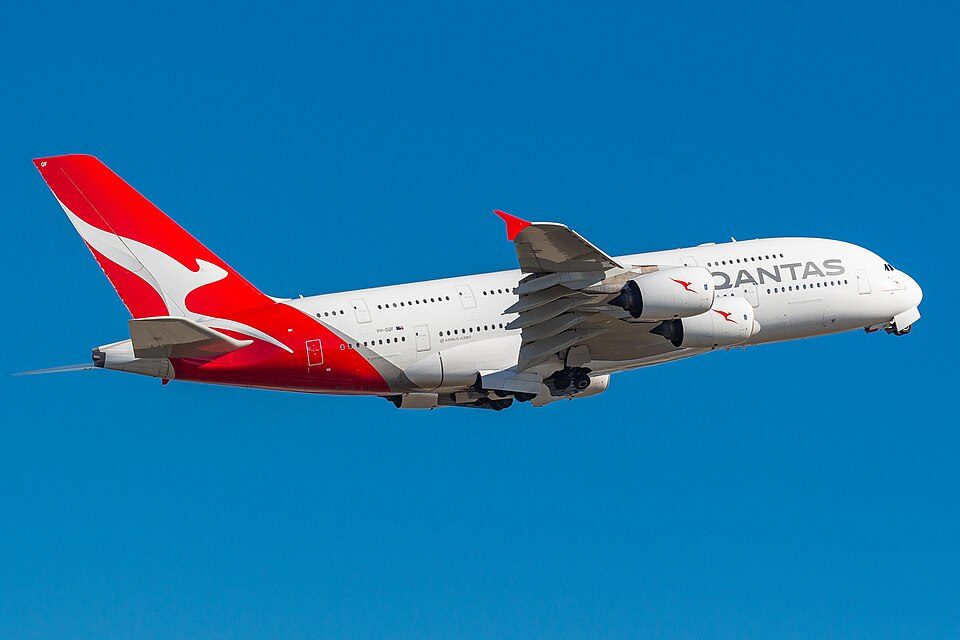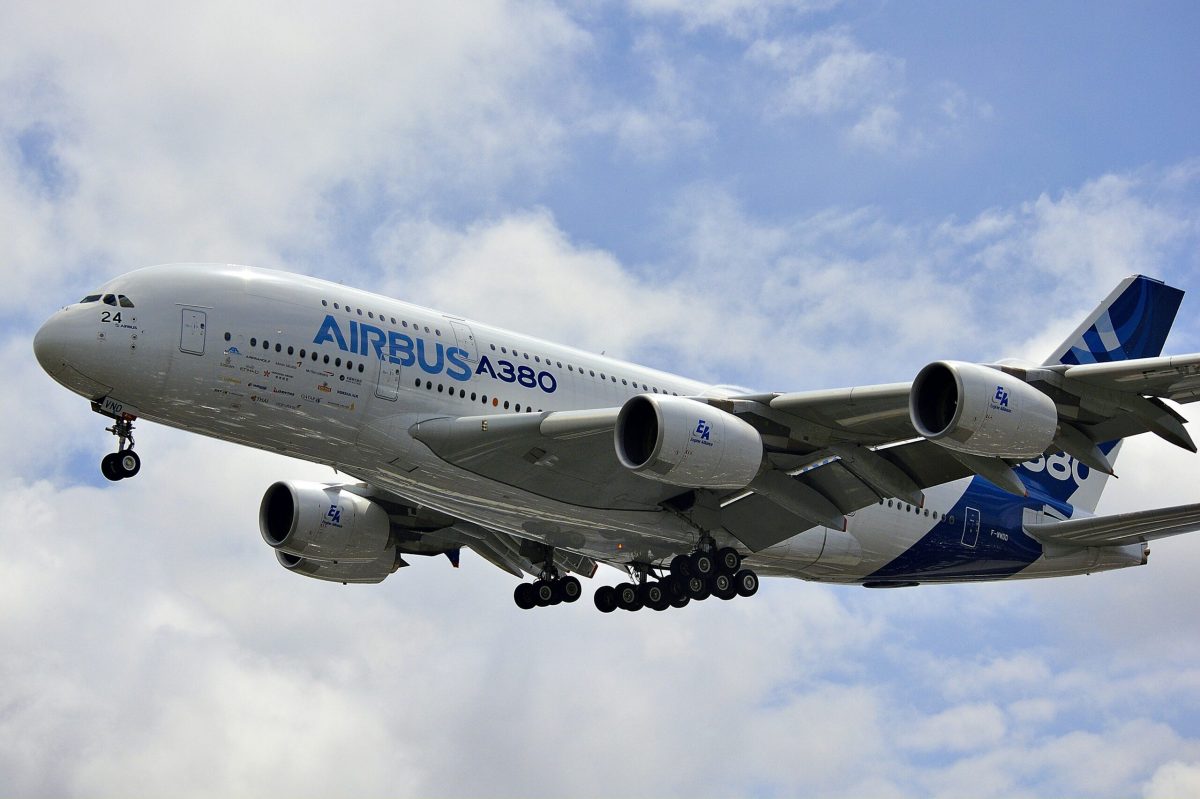
The iconic double-deck A380 superjumbo, once the crown jewel of modern aviation, is back in the maintenance hangar. Airbus has issued urgent orders to inspect 16 of these massive aircraft after engineers discovered cracks in wing spars, the load-bearing beams that keep these giants aloft during flight. The European Union Aviation Safety Agency (EASA) has stepped in with an emergency directive, sending both Emirates and Qantas scrambling to get their fleets checked.
This isn't the first time the A380 has faced structural concerns. The aircraft has dealt with similar wing-related issues before, but these newly identified cracks have pushed regulators to take swift action. The inspection order affects aircraft with specific production histories and operating patterns, suggesting engineers may have pinpointed a wider vulnerability in certain manufacturing batches.
The inspection timeline and who's affected
The stakes are high and the timeline is tight. Five A380s operated by Emirates must be inspected before their next scheduled flight. Another eleven aircraft, ten belonging to Emirates and one from Qantas, have 25 flight cycles to complete their checks. Emirates, which operates more A380s than any other airline in the world, has committed to beginning inspections within 48 hours. The carrier's statement was reassuring but matter-of-fact: any necessary repairs will happen before the planes return to service.
Qantas received some good news. Its single affected aircraft was already undergoing routine maintenance, so the new inspection requirement shouldn't disrupt schedules. The Australian carrier has already confirmed that no flight cancellations are expected. For travelers, this means your luxury A380 experience to Sydney likely won't be derailed by these technical demands.
What's being checked and why it matters
Wing spars aren't glamorous engineering, but they're absolutely essential. These structural beams handle the aerodynamic forces that build up during takeoff, climb, and landing. If cracks are left unrepaired, the wing's ability to handle these stresses diminishes. That's the kind of problem that regulators treat with zero tolerance. EASA has made clear that unaddressed defects could reduce the structural integrity of the wing itself.
The discovery of these cracks came during follow-up inspections triggered by earlier concerns about A380 wing structures. If you've been paying attention to aviation safety over the years, you might remember the 2012 inspection program that found similar cracks in wing fittings across parts of the fleet. Those issues were resolved, but they cost millions in repairs and sparked questions about the aircraft's long-term durability. History appears to be repeating itself, though this time the industry is catching the problem faster.
What happens next
Airbus is coordinating closely with both airlines and regulators to evaluate the inspection results. Depending on what engineers find, aircraft may need significant repairs before returning to commercial service, or they may pass inspection and head straight back to the skies. The manufacturer has taken responsibility for supporting the inspection program and will work with EASA to determine the appropriate fix for each aircraft.
For travelers planning luxury long-haul flights, the A380 remains a bucket-list experience. The aircraft still operates with several airlines despite Airbus ending production in 2021 after manufacturing just 251 planes. The superjumbo's double-deck design and 500-plus-seat capacity made it an aviation icon when it launched in 2007, though the industry eventually shifted toward smaller, more fuel-efficient widebodies. That said, Emirates has kept the A380 at the heart of its long-haul network, and the aircraft continues to deliver the unique experience of flying in a two-story airplane.
This latest safety directive won't ground the entire A380 fleet or derail your travel plans. But it does remind travelers that behind every smooth flight lies a complex web of safety checks, engineering precision, and regulatory oversight. The fact that cracks were caught before becoming a real problem? That's the system working exactly as intended.