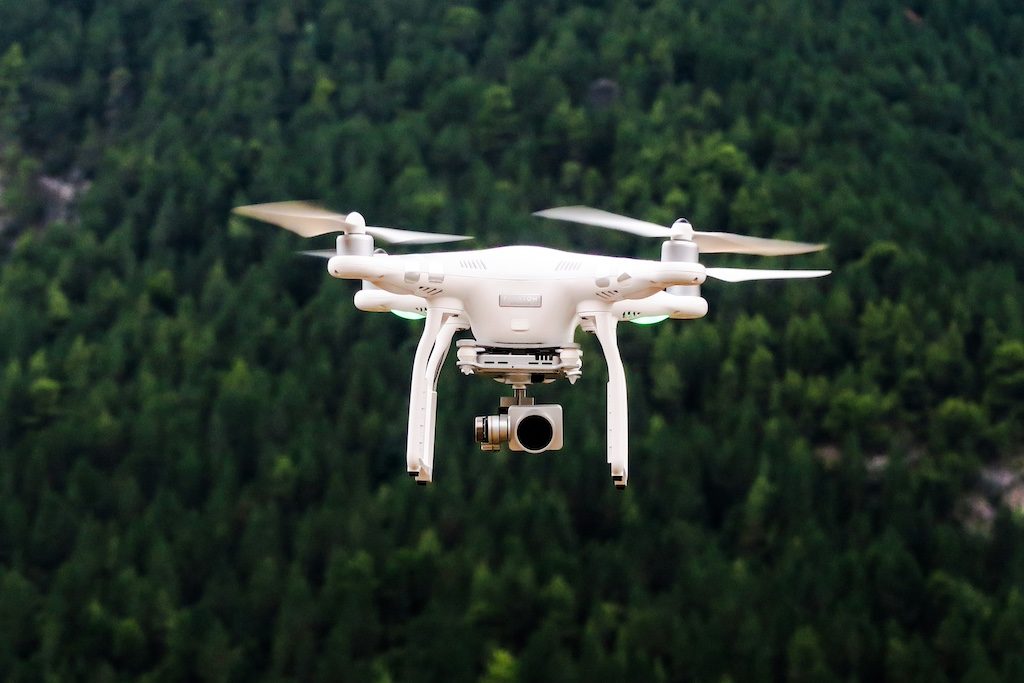
The 2026 FIFA World Cup is shaping up to be one of the most heavily monitored sporting events in North American history. Spread across 16 cities in the United States, Mexico, and Canada, the tournament has prompted authorities to implement sweeping airspace restrictions. And they are not messing around. Federal agents have already seized more than 300 drones since the tournament began, with enforcement efforts ramping up across all three host nations.
The problem is straightforward: unauthorized drones flying near stadiums and fan zones pose genuine security risks. So the U.S. government, working through the White House Task Force in partnership with the FBI, TSA, FAA, and state and local law enforcement, has deployed what they call the most comprehensive airspace security and drone mitigation effort in American history. TSA Federal Air Marshals working with state and federal partners have seized over 300 drones during FIFA World Cup events, and those numbers continue to climb.
How Tight Are the Restrictions?
On match days, the rules are strict and unforgiving. Within a three-nautical-mile radius of any stadium and up to 3,000 feet above it, all aircraft (including drones) require explicit permission from air traffic control. Fan zones operate under slightly less stringent but still serious restrictions: a one-nautical-mile radius and up to 1,000 feet. Violate these boundaries without authorization, and you are breaking federal law.
The Miami FBI office alone has issued citations to 49 drone operators and confiscated 54 drones across Florida. In Kansas City, Missouri, federal agents grabbed eight drones and their controllers over the course of just one week. These are not isolated incidents. The enforcement is swift, proactive, and happening everywhere the tournament is being played.
What Happens If You Get Caught?
The consequences are genuinely severe. Flying a drone in a restricted zone is a federal crime. The FAA can impose fines of up to $100,000. Beyond the money, you face potential criminal prosecution and immediate seizure of your equipment. For casual drone enthusiasts hoping to capture tournament footage, it is simply not worth the risk. For anyone traveling to World Cup events, the message is crystal clear: leave your drone at home.
These anti-drone measures did not emerge in a vacuum. President Trump signed an executive order in 2025 aimed at strengthening the country's defenses against drone attacks. Since then, counter-drone teams have been deployed at the U.S.-Mexico border and at major public gatherings out of concern for potential terrorist threats. The World Cup falls squarely into that category of high-profile events requiring maximum protection.
The Bigger Picture for Travelers
If you are planning to visit any of the 16 host cities during tournament matches, be aware that airspace near stadiums and fan zones will be heavily monitored. This extends beyond drone operators to anyone with unmanned aircraft of any kind. Security checkpoints will be visible and numerous. Expect longer waits getting into venues and heightened bag checks.
The three-country coordination between U.S., Mexican, and Canadian authorities represents an extraordinary security operation. While some travelers might find the restrictions inconvenient, they reflect the enormous effort required to safely host an event of this magnitude. For those attending matches or visiting fan zones, the visible security presence is ultimately a sign that organizers are serious about keeping everyone safe.
The broader trend toward stricter security at major travel events and public spaces is worth monitoring. Just as cities worldwide have tightened rules around everything from on-the-spot penalties for rule violations to transportation infrastructure improvements, airports and major venues are becoming more security-conscious. The World Cup drone crackdown is part of a larger shift in how authorities approach public safety at gatherings.
So here is the practical takeaway for fans and travelers heading to World Cup matches: book your tickets, plan your stadium visits, and enjoy the games. Just do not bring a drone. The 300-plus seizures are a warning most sensible travelers will take seriously.