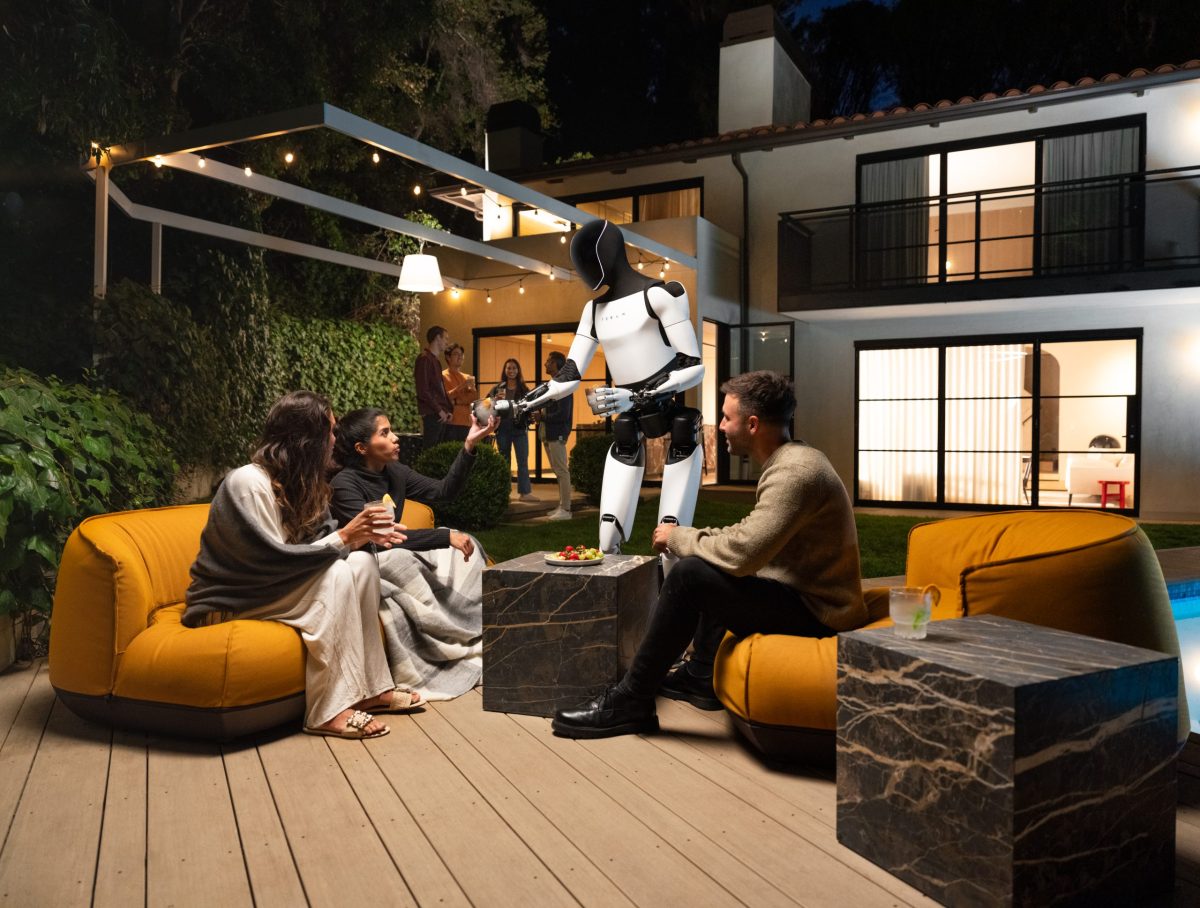
Tesla has officially started building its Optimus humanoid robots at its Fremont, California factory. The first production-quality units are now coming off the line, and the company plans to scale up to 20,000 units by the end of 2027. That timeline comes straight from Tesla's latest shareholder update, which frames the move as proof that the manufacturing process is ready for a commercial product.
For travelers, the idea of a personal robot assistant might sound like science fiction. But Tesla's vision is concrete. The Optimus is projected to cost between $20,000 and $30,000, which puts it in the range of a small car. And while the first bots are being tested in factories for sorting and parts handling, the consumer potential is huge. Imagine returning from a long trip to find your bags unpacked, dinner ready, and your laundry folded. That's the future Tesla is pitching.
Elon Musk has a history of bold promises, and he's the first to admit this road won't be smooth. In the shareholder update, he warned that the path to full-scale production will be "bumpy" and that the design still needs tweaks to ensure safety and reliability. One of the biggest hurdles is building robot hands that can handle the delicate tasks humans take for granted. Musk also mentioned an "Optimus Academy" where robots will practice tasks and generate data to improve their AI, with a new AI5 chip expected in April 2027 to give the droids a major intelligence boost.
But before you book a flight to see one in person, there's a catch. Several airlines have already banned humanoid robots from flying over battery safety concerns. That means your future robot companion might have to stay home while you travel. It's a reminder that even as the technology advances, the infrastructure and regulations need to catch up.
Still, the potential for travelers with limited mobility or cognitive challenges is enormous. A robot that can carry luggage, navigate complex environments, and provide assistance could be a gamechanger. Tesla isn't alone in this race either. Competitors like Agility Robotics, Figure AI, and Weave Robotics are all working on similar machines, and some are slated to start production this autumn. Even Lenovo is developing a six-limbed dog-like robot that can carry up to 100kg upstairs.
Musk has predicted that by 2040 there could be more humanoid robots than people, with everyone wanting their own "Optimus buddy." That might sound like hyperbole, but the momentum is real. Tesla's Fremont factory is already producing these bots, and the company is investing heavily in the computing power needed to train them. By the end of 2026, they aim to have 400 megawatts of training compute capacity, feeding both vehicle and humanoid autonomy.
For now, the practical takeaway for travelers is this: the first Optimus deliveries are expected by the end of 2027, but don't plan on taking one on a plane anytime soon. The aviation industry's concerns about battery safety are a real barrier, and it may take years for regulations to evolve. In the meantime, you can follow the progress of Tesla's other ventures, like the flying Roadster, which is also making headlines but won't replace your next flight either.
If you're curious about the broader robot travel debate, check out why Southwest just banned humanoid robots from flying. And if you're more interested in where you can actually go with your own two legs, consider sleeping on ice in Europe's coolest winter hotels or exploring Brazil's record-breaking Blue Flag beaches.
The robot revolution is coming, but it's arriving with a bumpy ride. Tesla's Optimus is a glimpse of a future where your travel companion might be made of metal and circuits. Until then, pack your own bags and enjoy the journey.