Tbilisi is about to erase one of its most divisive architectural statements. The Rike Concert Hall, an audacious futuristic structure that has dominated its riverside location since 2012, will be demolished by December 2026.
The building never opened. Not once. For nearly 15 years, those gleaming steel-and-glass tubes have stood silent beside the River Kura, accumulating rust, graffiti, and heartbreak. It's a familiar story in post-Soviet cities: grand visions that collide with political reality.
How a World-Class Vision Became a Rusted Eyesore
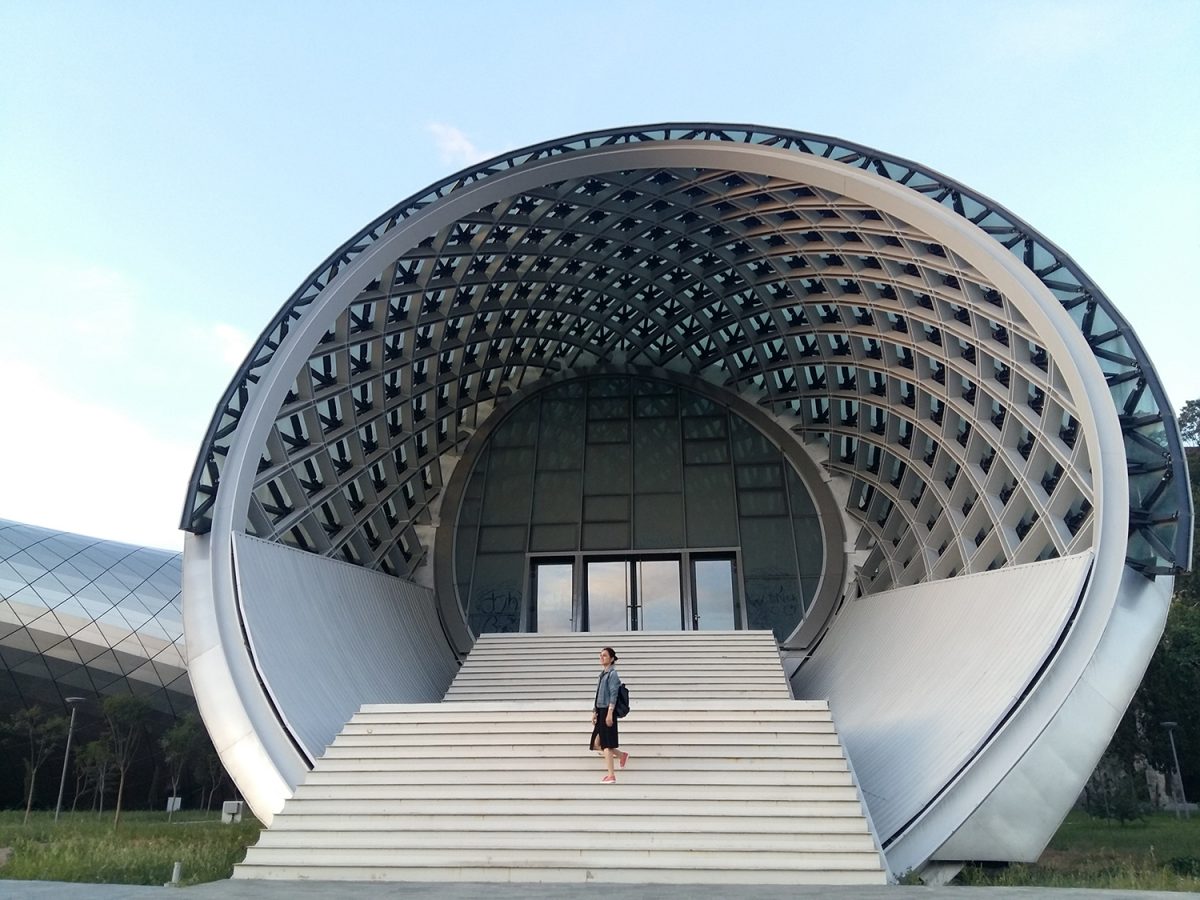
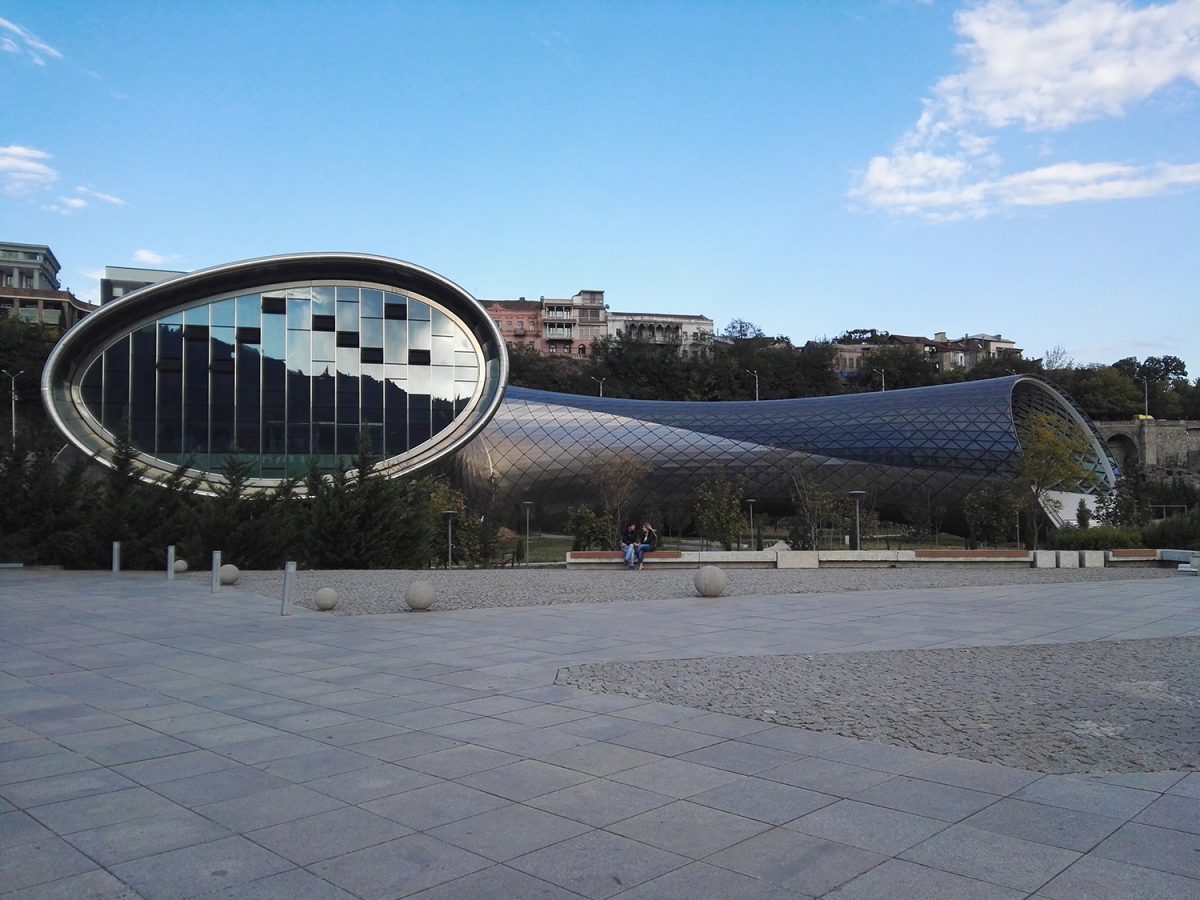
Studio Fuksas, one of Italy's most celebrated architecture firms, designed the complex as a kind of visual periscope for the city. The building resembled tentacles of a metallic octopus or perhaps a giant snail's antennae reaching toward the water. It was meant to house a 566-seat music theatre and an exhibition hall, part of Tbilisi's post-Rose Revolution makeover in the early 2010s. The government was bringing in international architects to remake the capital's skyline and signal to the world that Georgia was pivoting west. Tbilisi was being repositioned as a cosmopolitan destination.
Construction wrapped in 2012 under President Mikheil Saakashvili's administration. The price tag was steep, both in ambition and money. Public funds exceeded 75 million Georgian lari (roughly 25 million euros). Then the elections came. Saakashvili's government lost in 2012, and the new leadership had different priorities. The project was abandoned mid-breath, frozen in time like a museum exhibit nobody wanted to visit.
What Went Wrong After That
The building sat vacant for years. Multiple auctions failed to find a buyer willing to resurrect it. Finally, in 2022, a property developer purchased the complex for approximately 10 million lari (3.2 million euros). It changed hands again in 2025, this time to Makro Constructions. That same year, a teenager died accidentally on the abandoned site. The tragedy forced the question nobody wanted to ask: what do we do with this thing?
The answer, apparently, is demolish it.
Tbilisi's mayor Kakha Kaladze didn't mince words when discussing the structure. He called it "absolutely non-functional" and described the site as "a garbage dump, in a very bad condition." Prime Minister Irakli Kobakhidze went further. "I am not an architect, but I think this ugliness is unworthy of our beautiful capital," he declared in May 2025.
Not Everyone Wants It Gone
Studio Fuksas has spent the past year trying to convince Tbilisi officials and the building's owners to preserve the structure. In a statement to the architecture community, the firm argued that demolition would waste more public money. Why spend additional funds tearing it down when the city could repurpose what's already been built?
"Tbilisi still has the opportunity to transform an unfinished project into a symbol of regeneration, innovation, and international openness," the architects urged. Their plea fell on deaf ears.
The municipal architecture department has granted permission to tear the building down. No replacement project has been officially announced, though government discussions have mentioned the possibility of a hotel on the site. The mayor says he's waiting to see what developers propose, noting that any future project needs to respect the location's significance.
A Bigger Picture
The Rike demolition doesn't exist in a vacuum. Georgia's political direction has shifted noticeably in recent years, leading some observers to interpret the building's fate as symbolic of the country turning away from its Western-facing aspirations. Others simply see it as a practical decision: a vacant eyesore on prime parkland in the city centre was never going to survive forever, regardless of politics. Like the broader cultural changes unfolding across the Caucasus, Tbilisi's architectural landscape is being rewritten.
The building will be gone by next December, and with it, a whole chapter of Tbilisi's recent history. For travelers visiting the Georgian capital, that strange riverside silhouette that once sparked endless conversations among architects and locals alike will simply vanish from memory.