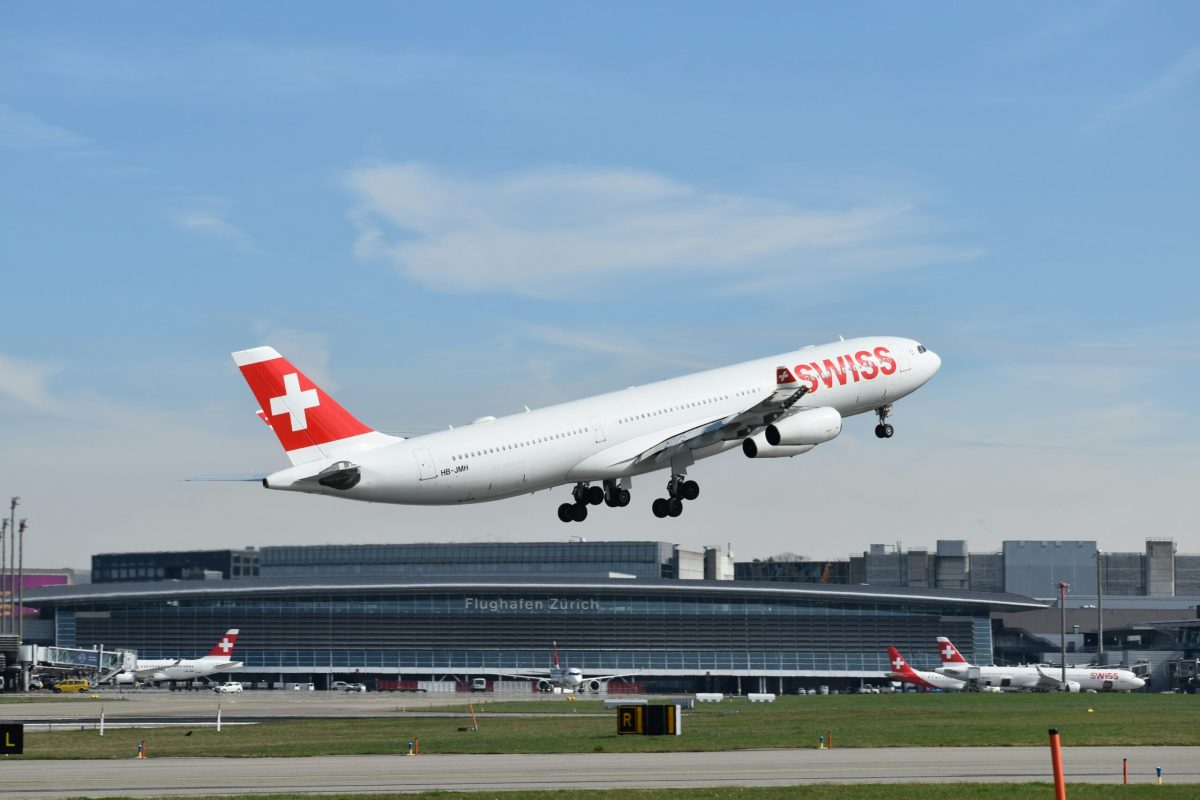
When an airline finds itself with too many hands on deck, the usual playbook involves pink slips and painful negotiations. SWISS is trying a different approach, and it's surprisingly generous: the Swiss carrier is offering cabin crew members up to 15,000 Swiss francs (roughly €15,500) to voluntarily resign.
The voluntary departure scheme targets around 4,000 flight attendants based in Zurich. Those who take the offer must terminate their contracts by April 30 and leave the company by August 2026. It's the kind of exit package that sounds almost too good to be true, but there's a logical reason behind it.
What Went Wrong at SWISS
The airline is caught in a classic operational crunch. Last autumn, SWISS hired roughly 400 new cabin crew members, expecting growing flight schedules. Instead, the company found itself hobbled by two major headwinds: persistent engine problems grounding aircraft and a shortage of pilots across the industry. The result is a brutal mismatch. Some months, SWISS has up to 300 more crew members than it can actually deploy.
This isn't unique to SWISS. Airlines across Europe are grappling with cascading challenges that have grounded fleets and constrained schedules. The difference is how SWISS is choosing to respond.
The Carrot Instead of the Stick
Rather than forcing redundancies, SWISS has already rolled out several softer measures: unpaid leave and reduced working hours for those whose circumstances allow. Now comes the buyout. The airline is essentially saying: if you want to leave, we'll make it worth your while.
But the package isn't one-size-fits-all. Employees with at least six years of service can enter a "dormant employment relationship," which means they step back from active duty for a minimum of one year with the option to return later. Those enrolled in SWISS's "Study & Fly" program, which pairs part-time work with further education, can receive a proportional payout while they continue their studies.
A spokesperson confirmed that compulsory redundancies aren't on the table at this moment. "Redundancies are not envisaged for the time being and would represent the last resort if voluntary measures were not to suffice," they said. It's a measured statement that keeps the door open while signaling preference for consensus over conflict.
When Will Things Get Back to Normal
SWISS expects the current imbalance to gradually resolve as aircraft return to service and pilot availability improves. The airline's estimate is that operational balance should return by early 2027 at the latest. That's assuming the engine problems get fixed and the pilot shortage eases, both of which remain industry-wide headaches that other carriers are managing as well.
For travelers booking flights with SWISS right now, this doesn't necessarily change much on the ground. The airline isn't cutting routes or reducing overall capacity in any dramatic way. What's happening is internal: management is trying to align staffing with actual operational reality rather than wait for the situation to self-correct or resort to forced exits.
It's a reminder that what looks like a straightforward journey from departure gate to arrival hall involves countless moving pieces behind the scenes: aircraft maintenance schedules, pilot licensing rules, crew fatigue regulations, and now, apparently, financial incentives for workers to consider their options. The next time you board a flight, remember that the crew greeting you made a deliberate choice to be there, whether that choice was made last year or last week.