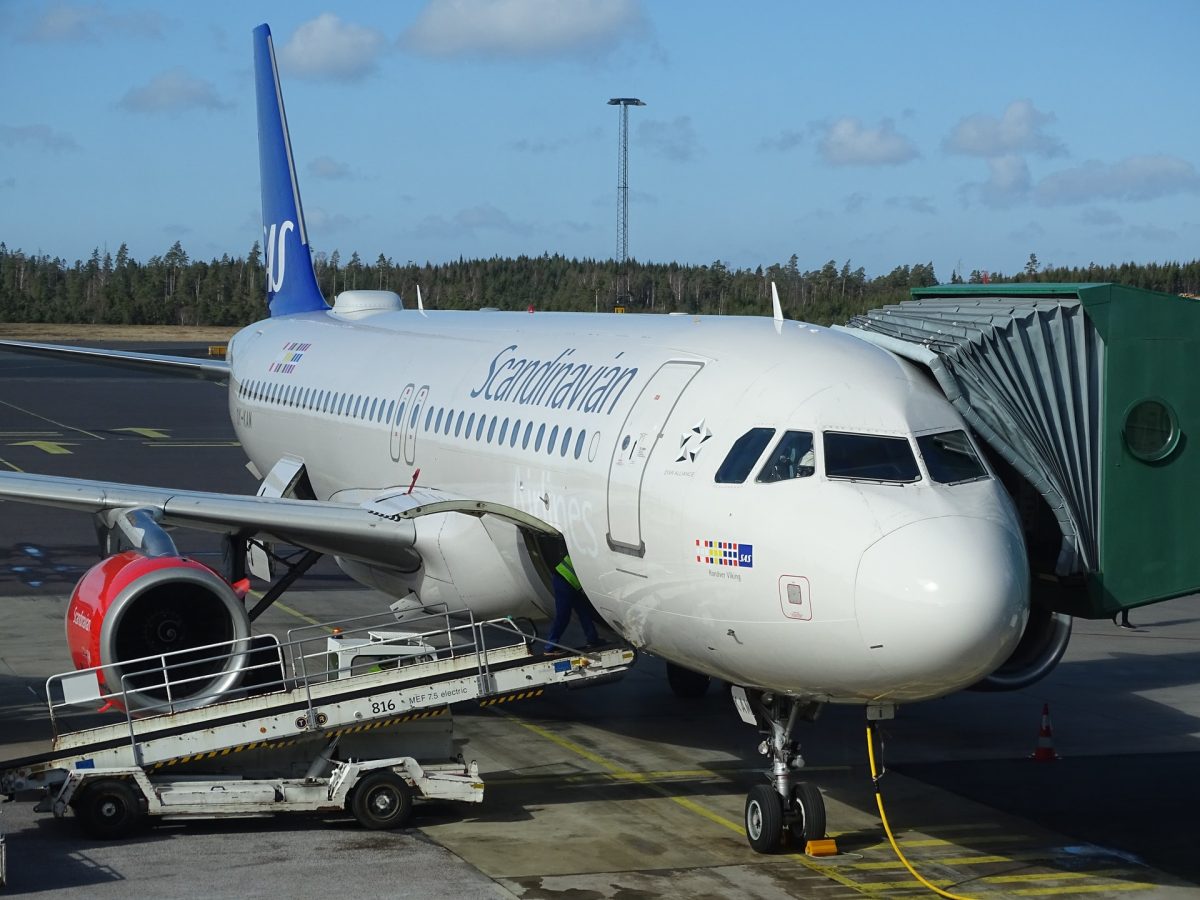
The spring travel season just got complicated. Scandinavian Airlines (SAS) announced it will wipe at least 1,000 departures from its April schedule, following hundreds of cancellations already completed in March. For anyone planning a Scandinavian escape or a transatlantic crossing through Stockholm or Copenhagen, this is a moment to pay close attention.
The culprit? Geopolitical tension in the Middle East has disrupted oil supplies and sent jet fuel prices into the stratosphere. "The price of jet fuel has doubled in ten days," SAS CEO Anko van der Werff told Swedish newspaper Dagens Industri. That kind of shock hits the aviation industry like a sledgehammer, and passengers are about to feel the impact.
Prices are jumping, and fast
If you already booked your tickets before this crisis, you're safe. SAS committed not to retroactively charge existing customers. But anyone booking now or in the coming weeks should brace for sticker shock. The airline has hiked average fares by around 46 euros (500 SEK) on short-haul routes. Long-haul tickets to North America are climbing even higher, with some transatlantic fares jumping by as much as 250 euros (2,700 SEK) compared to pre-crisis prices.
"Although we are trying to absorb cost increases as much as we can, this is a shock that hits the aviation industry directly," van der Werff explained. Translation: they're eating some of the cost, but travelers are carrying the rest.
How the cancellations will actually work
For passengers facing cancellations, SAS says it will offer clear notice and same-day alternative flights whenever possible. The airline isn't alone in scrambling, either. Other carriers across Europe are implementing their own contingency measures. How Airlines Keep Planes Flying When Entire Regions Close Their Skies explains how the industry navigates these turbulent moments.
British Airways has also announced schedule adjustments, expanding capacity to Australia and Sri Lanka while adding extra flights to Caribbean destinations. The strategy reflects where customers are actually searching for tickets right now.
The ripple effect across the region
The Middle East instability isn't just affecting Middle Eastern destinations. Airlines Race to Evacuate Thousands Stuck in Middle East captures how widespread the disruption has become. The uncertainty is now rippling into territories most travelers don't even think of as Middle Eastern: Cyprus and Turkey are seeing dampened demand as consumer confidence wobbles.
The World Travel and Tourism Council has calculated the damage at around 600 million dollars per day across the entire travel and tourism sector. That's not a small hiccup. That's a significant disruption to one of the world's largest industries.
If you're dreaming of a Scandinavian adventure this spring, act fast if you've found tickets you love. Prices won't be moving in a favorable direction anytime soon. And if you're already committed to travel, keep an eye on your airline's communications. With 1,000 flights getting axed in April alone, the odds of your route being affected are higher than usual.