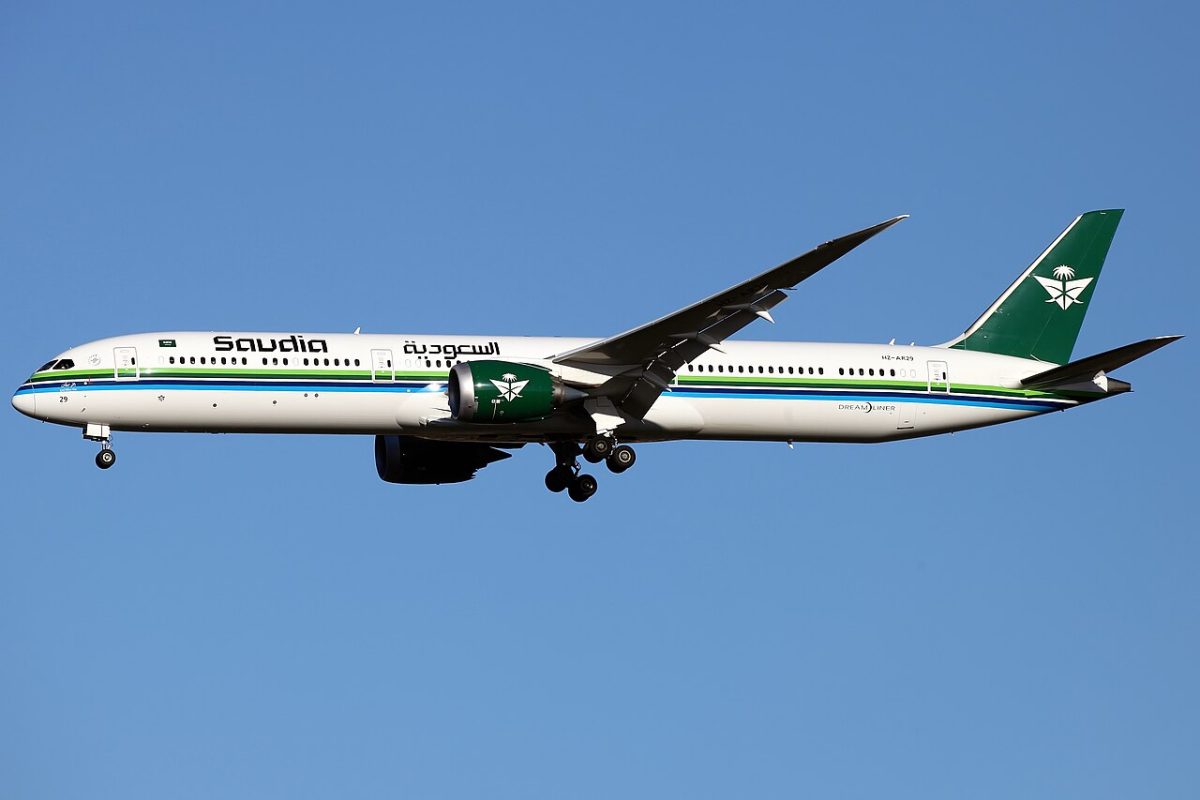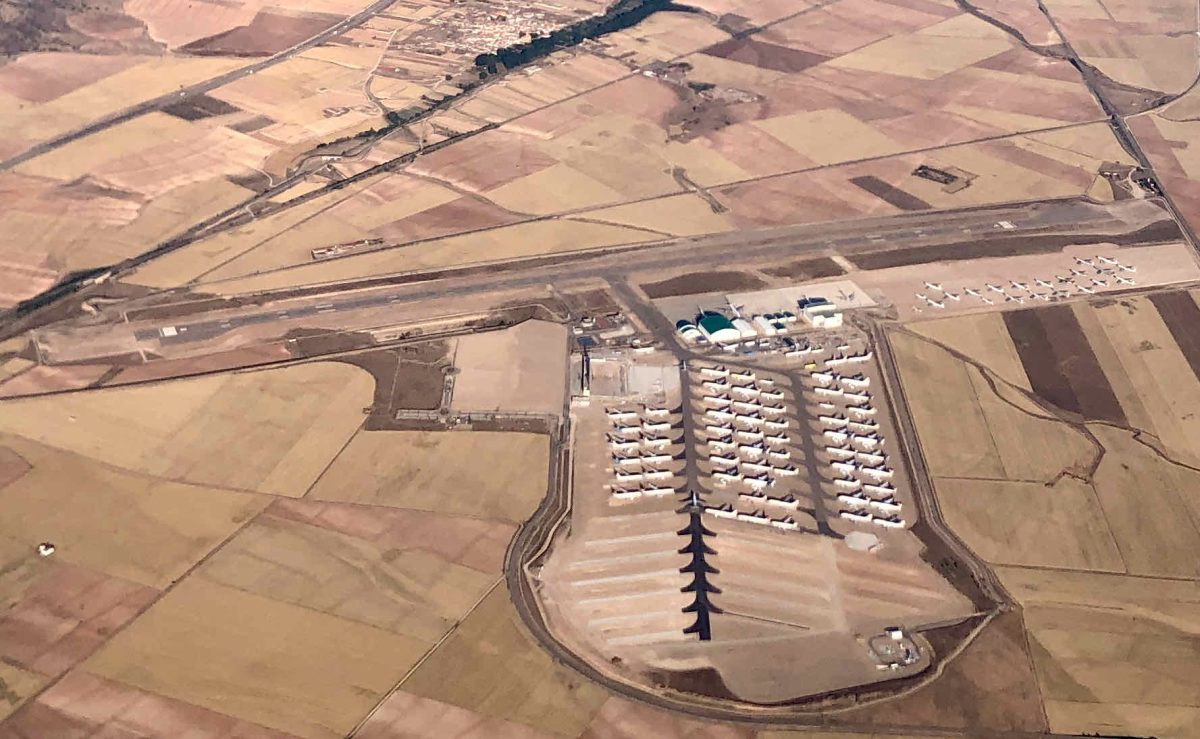
Teruel Airport looks unremarkable on the map, a quiet patch of runway in eastern Spain's Aragon region. What makes it exceptional right now is what's sitting on its tarmac: roughly 17 massive widebody aircraft from Qatar Airways, their fuselages glinting in the Spanish sun as crews prepare them for an indefinite parking stint.
The jets keep arriving. By mid-March, as many as 20 large aircraft had touched down at this sleepy former military base, transforming it into an unexpected aircraft storage facility. This isn't the first time Teruel has absorbed sudden overflow capacity. During the COVID-19 lockdowns, 140 planes were parked here when global travel essentially froze. But this time, the reasons are different. Over 25 airlines are gutting Middle East flights as airspace restrictions ripple outward from the region's ongoing tensions.
Why Teruel, Why Now
The location makes sense. Teruel sits northwest of the Mediterranean at high elevation with a dry, salt-free climate. These conditions create a non-corrosive environment where aircraft can sit safely for months without deteriorating. The airport handles zero passenger traffic, meaning there's no competition for apron space. With 120 hectares available, it can accommodate up to 250 widebody jets and 400 smaller aircraft simultaneously.
The aircraft arriving now include four Airbus A330s, an A380 superjumbo, two A350s, and at least one Boeing 787. Normally, Teruel receives only two aircraft arrivals per day. The sudden influx reflects something bigger: international carriers don't expect the Middle East crisis to resolve quickly.
"Companies are revising their fleets and routes and looking for safer places to park their planes, and Europe fits the bill," explained Alejandro Ibrahim, the airport's General Manager. He acknowledged the situation is "not normal." Other carriers like Gulf Air made different choices, moving their planes to the Arabian desert in Saudi Arabia. But Qatar Airways' decision to base its stored fleet in Europe signals strategic thinking. The airline wants to maintain its position as a critical bridge between eastern and western aviation networks, even while grounded.
The Human Cost Behind the Scenes
Ibrahim expressed frustration about the disruption. Teruel's core business is aircraft maintenance, and that work dries up when jets are parked instead of flying. "The more planes that are flying worldwide, the more activity our airport gets," he said. The longer this standoff continues, the more damage ripples through Spain's aviation sector.
The numbers paint a grim picture. The world tourism industry is hemorrhaging 600 million dollars daily as Middle East disruptions cascade across global travel patterns. Airlines cancel routes, passengers rebook flights through safer corridors, and ancillary services suffer. A former military runway in rural Spain becomes a symbol of how thoroughly this crisis has reshaped the aviation map.
What Comes Next
Ibrahim sounded weary but resigned. "The war has been going on for 20 days, so it's only just beginning," he noted. No one at Teruel expects quick resolution. The longer aircraft sit idle, the more pressure builds on maintenance crews and ground services. Storage facilities fill up. Crews need rotation and rest. Fuel costs accumulate.
For travelers, the implications extend beyond just flight disruptions. British Airways and other carriers are slashing Middle East routes through May, pushing airfares sky-high, diverting passengers onto alternate routes and driving up ticket prices across Europe and Asia. If you're flying internationally in the coming months, expect more congestion, fewer direct options, and higher fares.
Teruel's unexpected transformation from quiet maintenance hub to aircraft storage hub tells the real story: this crisis isn't contained to the Middle East anymore. It's spreading west, north, and across the entire global aviation system. Every parked jet at a Spanish airbase represents countless canceled trips, rerouted itineraries, and travelers adapting their plans. The runway lights at Teruel burn brighter than usual these days, but not for the reasons anyone would choose.