On August 12, the Moon will slide directly in front of the Sun across Spain, creating one of the most spectacular astronomical moments Europe has seen in decades. The problem: up to six million people could show up to watch it, and the country is literally burning.
Spanish authorities are scrambling to prepare for what amounts to a nationwide emergency operation. The total eclipse path will cut across northern and eastern Spain from A Coruña in Galicia all the way to Mallorca, making the country one of Europe's prime spots for witnessing totality. That's generating serious tourism demand, with around 460,000 international visitors expected to travel to Spain specifically for this event. Add in local viewers, and you're looking at a traffic nightmare on wheels.
Fire Season Meets Peak Season
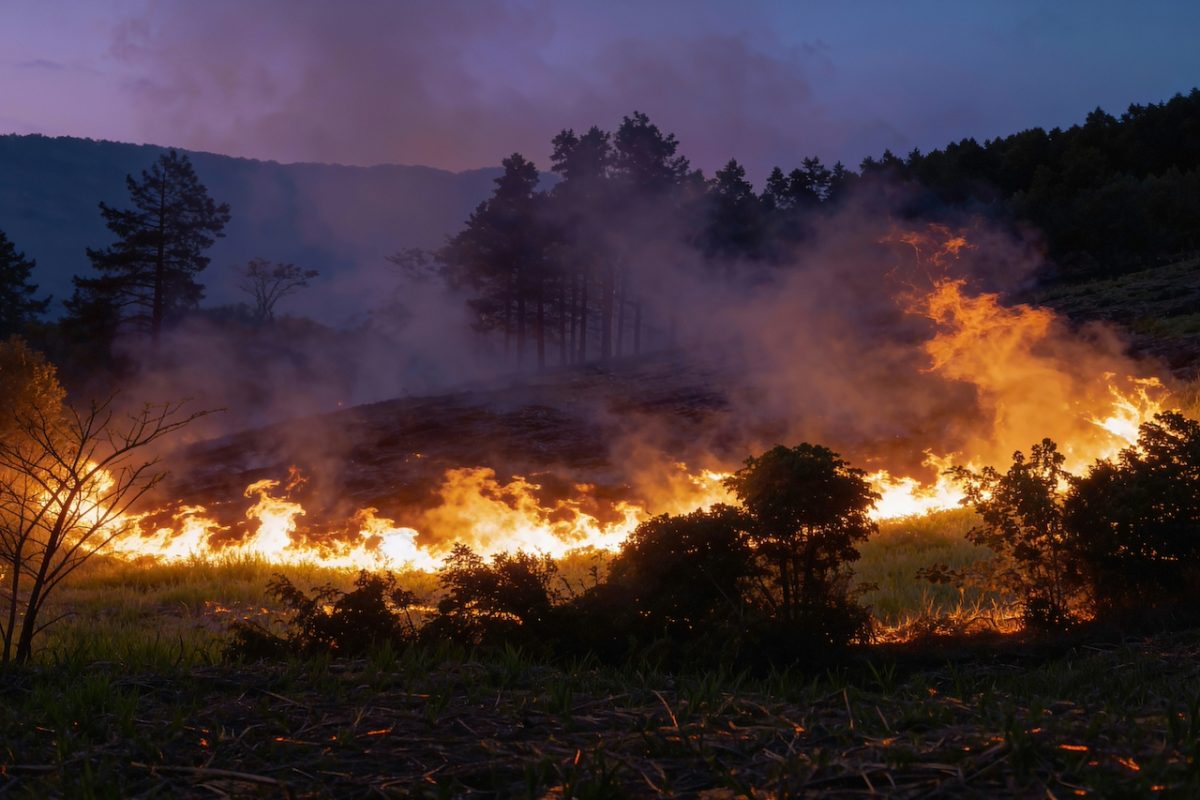
Here's where it gets concerning. Spain is experiencing one of its worst wildfire years on record. Around 200,000 hectares have already burned in 2024, roughly six times the burned area at the same point last year. Fires have ravaged regions including Huelva, Segovia, and Huesca. The culprit is brutal: July was mainland Spain's joint-hottest July since records began in 1961, with temperatures that left the landscape exceptionally dry. The country recorded just 4.3mm of rain in July, about a quarter of normal precipitation.
"The vegetation is extraordinarily dry and the smallest spark or carelessness could lead to devastating forest fires," Environment Minister Sara Aagesen warned recently while visiting fire-affected areas. The national weather agency AEMET is predicting very high or extreme forest fire danger across much of the Iberian Peninsula and Balearic Islands during the eclipse. Some areas could hit 40 degrees Celsius (104 Fahrenheit) on eclipse day itself.
The combination is explosive, quite literally. Discarded cigarettes, hot vehicle components, abandoned barbecues, and fireworks become potential kindling in a landscape that's essentially a tinderbox. Emergency officials are particularly worried that massive traffic congestion in rural areas could block firefighters and other emergency responders from reaching incidents quickly.
The Security Operation
Spain is treating this like a military operation. Authorities have identified more than 660 official viewing sites across the country. Around 35,000 officers will be deployed to manage crowds and protect vulnerable areas. A national control centre in Madrid will coordinate everything. Some regional governments have gone even further. Valencia has closed natural parks and restricted rural footpath access. Camping and fire-related activities are suspended in high-risk zones. Barbecues and fireworks are outright banned in many areas. Some eclipse gatherings have been cancelled altogether because the fire risk is simply too high.
The eclipse is also expected to trigger roughly 1.5 million additional car journeys as people converge on viewing locations. Authorities are begging travellers to avoid unnecessary trips and explicitly warning against stopping on roadsides to watch. The last thing emergency services need during a potential wildfire is tourists parked on shoulders blocking response vehicles.
The Tourism Boom Nobody Expected to Be This Messy
Despite the warnings, accommodation along the eclipse path has been booked for months. Small towns are seeing astronomical hotel prices. A Coruña is experiencing particularly strong demand, while places like Santiago de Compostela, Bilbao, and Mallorca are seeing significant price jumps as visitors compete for rooms within or near the totality band. Around 70 percent of Spain's entire caravan fleet has already been reserved. Campsites and rural lodges are fully booked. This is what eclipse tourism at scale looks like, and Spain wasn't expecting this level of pressure on its rural infrastructure during fire season.
The eclipse is particularly significant for Spain because mainland observers haven't experienced totality for over a century. That scarcity is driving the tourism surge. NASA has even set up an observation base in the tiny village of Villalibado in northwestern Spain, installing four high-powered telescopes next to a Romanesque church to livestream the event to millions worldwide.
Beyond the Fire Risk
Spanish hospitals are also preparing for eye injuries. Six brands of eclipse glasses have been withdrawn after failing safety tests. Proper eye protection is non-negotiable. And if you're thinking about documenting the moment, be careful. Smartphones and cameras can suffer serious damage if pointed directly at the Sun without proper solar filters.
The eclipse is happening. The crowds are coming. Spain's tourism machine is already running. The real question is whether the country can manage an unprecedented influx of visitors while simultaneously battling wildfire conditions that are threatening some of its most beautiful landscapes. It's a cautionary tale about the collision between tourism demand and environmental crisis, and Spanish authorities will be hoping their preparation proves sufficient when the Moon moves across the Sun.