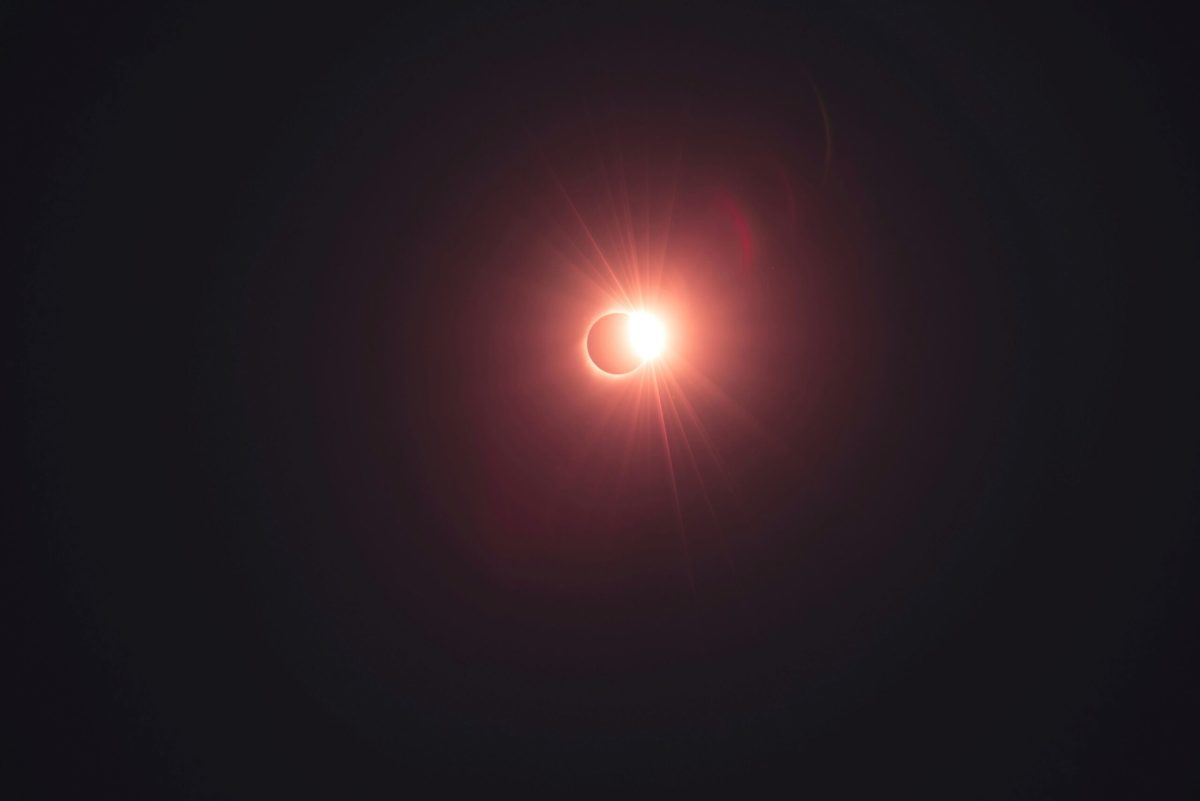
Mark your calendar for August 12, 2026. Europe is about to witness the kind of cosmic event that doesn't come around often enough to see twice in a lifetime. The continent is gearing up for its most significant solar eclipse in almost three decades, and the preparation frenzy has already begun in earnest.
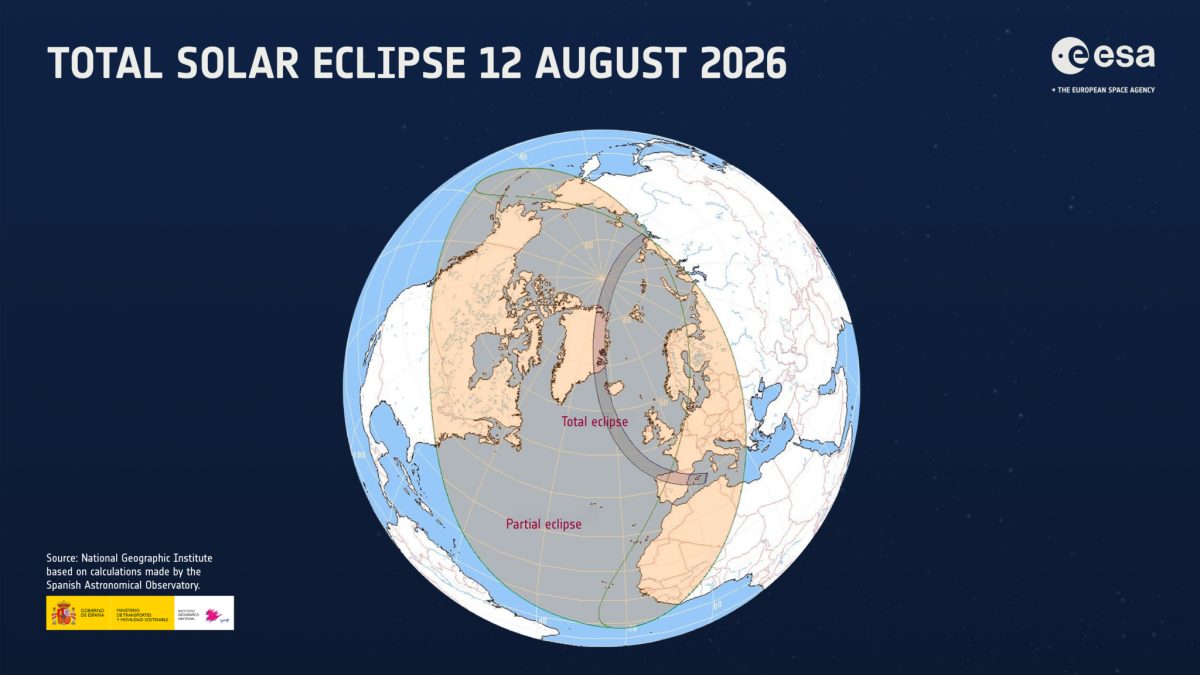
This isn't just any eclipse. The path of totality will stretch from Greenland and Iceland in the north down through Portugal and Spain in the south, with the Moon completely blocking out the Sun for up to two minutes and 18 seconds at maximum. For Spain specifically, this marks the first total solar eclipse visible from the mainland in over a hundred years. That alone has travel planners scrambling.
Why the hype is actually justified
Solar eclipses happen fairly regularly somewhere on Earth (two to five per year), but total ones are rarer creatures. The last total solar eclipse visible from Earth was in April 2024, when millions of people chased it across Mexico, through 15 U.S. states, and into eastern Canada. Now the shadow swings westward, and Europe wants its moment.
The timing couldn't be better from a weather perspective. Much of Europe is experiencing a hot, dry summer, which means cloudless skies could deliver some genuinely pristine viewing conditions. That's not guaranteed, but it's the kind of fortune that makes astronomers and casual stargazers alike hold their breath.
Even if you're not directly in the path of totality, you'll catch something remarkable. Dublin will experience 94% coverage, Oslo 83%. The eclipse will even be partially visible from Montreal (18%) and New York (9%), making this a truly continental event.
The shortages are already starting
Eclipse glasses are vanishing from online shelves. Vacation rentals in Iceland and Spain are filling up at an alarming rate. As the eclipse draws travelers to prime viewing locations, both holiday accommodations and critical viewing equipment are becoming scarce. If you're serious about watching this, act sooner rather than later.
When you do acquire your glasses, make sure they're certified to ISO 12312-2 standards. Sunglasses, CDs, or any other improvised solar filters will not cut it. This isn't about comfort or convenience. You have two eyes, and they're irreplaceable. Hans Coeckelberghs from Belgium's Royal Observatory warns bluntly: "You only have two eyes; it's not worth losing them."
A cosmic triple play
The eclipse arrives with stellar company. The Perseid meteor shower will be reaching its peak around the same time, and six planets will align before dawn. For telescope enthusiasts and casual stargazers, this is the kind of celestial convergence that feels almost too generous. You can read up on protecting your equipment while chasing these views if you're planning to bring cameras or phones into the mix.
Scientists are turning this into serious work
NASA and the European Space Agency are treating this as a research opportunity. Over 60 high-altitude balloons will launch from Spain. NASA-funded university teams will study the eclipse from specialized research jets. The entire scientific community sees an eight-minute window of total darkness as a chance to learn more about the Sun's corona, solar flares, and other phenomena that are normally invisible.
Michael Zeiler, an eclipse mapper, will be aboard a cruise ship in a Greenland fjord, hoping to capture auroral activity and a perfectly timed solar outburst during totality. Carole Mundell, director of science at the European Space Agency, frames it beautifully: this isn't just about celestial mechanics. It's "a very human moment" where billions of people on the ground connect with the cosmos all at once.
Practical viewing notes
If you're in Belgium, expect the Sun to be very low on the horizon by the time the eclipse reaches its peak. Brussels itself will be challenging for viewing, so scout your location a few days beforehand at around the same time to ensure your western horizon is clear. The eclipse begins around 7:18 pm local time, peaks at approximately 8:13 pm, and ends around 9:05 pm. The Moon will cover about 91% of the Sun from Belgium, which is significant even if you're not in the totality zone.
For those planning travel specifically around this event, researching island locations with reliable access to clear skies could be worth your time. The difference between 91% coverage and 100% totality is the difference between a partial eclipse and witnessing one of nature's most arresting phenomena.
There's always next time (but it's worth the wait)
Miss this one and you'll have to wait another year for an even bigger show. August 2, 2027, brings a total solar eclipse lasting over six minutes at maximum, sweeping from Spain across North Africa. But that's a future story. For now, focus on 2026 and book your eclipse trip while accommodations and proper viewing glasses are still available.