The countdown to suborbital bliss just got longer. Virgin Galactic, the only company still operating commercial spaceflights after rival Blue Origin paused its own program, announced that its shiny new Delta-class spacecraft won't be ready for paying passengers until February 2027. That's a significant delay for the more than 650 would-be space tourists currently holding reservations.
For context, this isn't some wild startup dream anymore. Virgin Galactic has already flown 23 private passengers and tourists into space on crewed suborbital missions over the years. They know what they're doing. But the path to regular, profitable flights has proven rockier than expected. Production bottlenecks involving hundreds of small but critical assembly tasks have slowed the timeline for the company's latest spacecraft iteration.
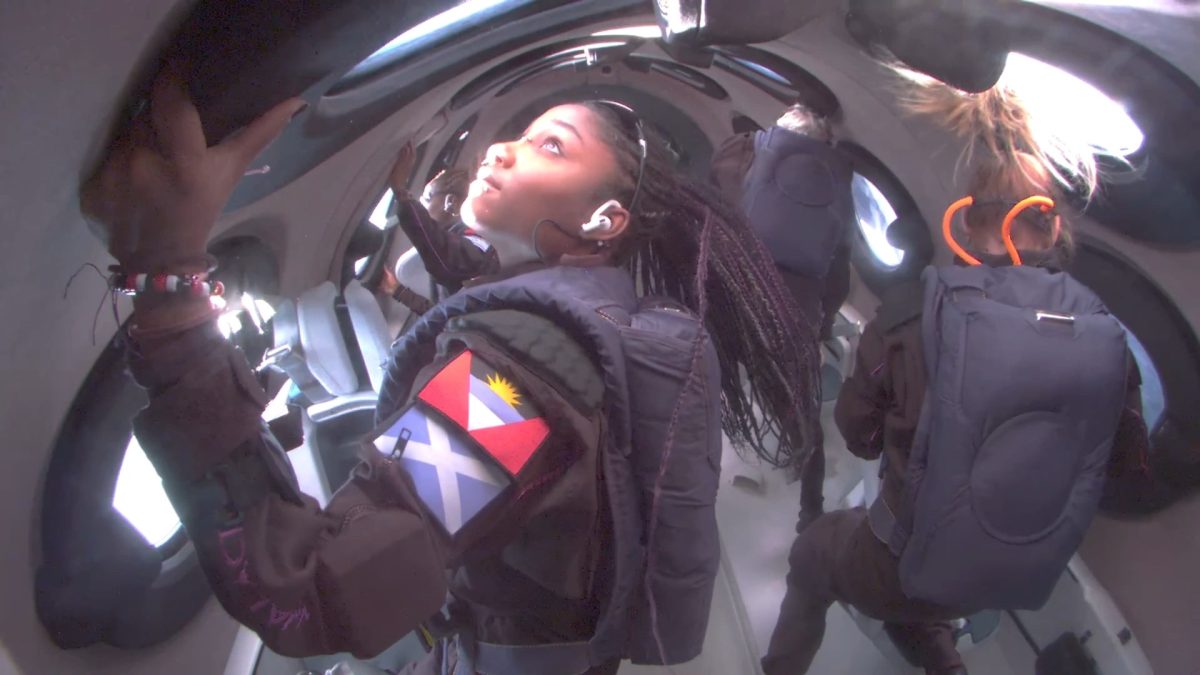
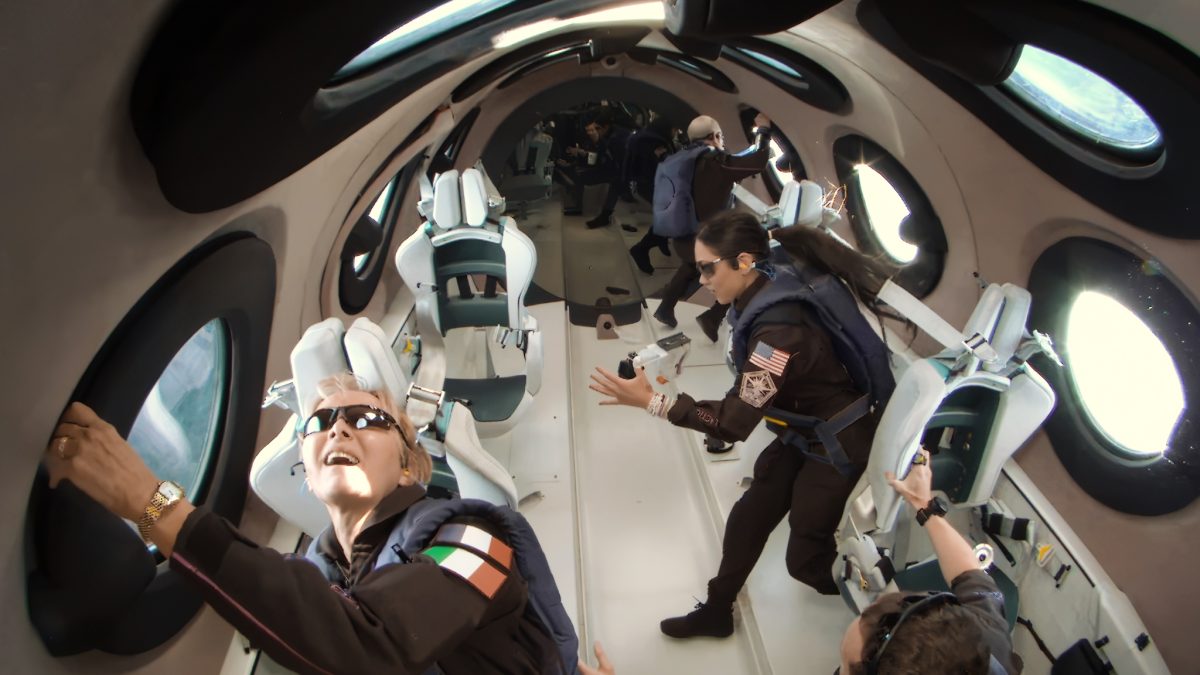
Here's what those lucky ticket holders are actually paying for. The Delta-class spaceplanes will carry six passengers on roughly 60-to-90-minute trips to suborbital space. A mothership carries the vehicle to about 50,000 feet before releasing it. From there, it ignites its own rocket engines and climbs to the edge of space, letting passengers experience weightlessness and see Earth's curvature. Then it glides back to Spaceport America in New Mexico for an unpowered landing. The whole experience combines cutting-edge engineering with something most people will never forget.
The current asking price? $750,000 per seat, and Virgin Galactic says that tier is completely sold out. CEO Michael Colglazier revealed on an earnings call that the company has pulled in over $50 million in bookings since March 2026 alone. But don't think that price is permanent. The firm plans to open a new batch of reservations this fall at even higher price points, signaling confidence that demand for space tourism won't cool anytime soon. It's a calculated gamble, but one backed by solid customer interest.
Once those first Delta flights launch, things should accelerate quickly. Virgin Galactic is targeting 10 flights per month by the end of the second quarter of 2027, when a second spaceship comes online. That pace would be genuinely unprecedented in human spaceflight. The company's chief financial officer, Doug Ahrens, believes each new spaceship has the potential to generate over $1.4 billion in lifetime contribution margin. Hitting positive cash flow in 2027 seems realistic if they can maintain that operational tempo.
The delays have stung financially. Virgin Galactic lost nearly $56 million in the second quarter of 2026. But the bigger story is that they're the last player standing in an emerging market. Blue Origin, owned by Jeff Bezos, grounded its New Shepard flights two years ago to focus on lunar ambitions. That leaves Virgin Galactic with zero direct competition for now, at least in the commercial suborbital space tourism arena. (If you're curious about how tourism industries adapt and evolve, check out how some destinations are completely rethinking growth strategies.)
The wait until 2027 might feel like forever if you've already plunked down three-quarters of a million dollars. But the company has proven it can get people safely to space and back. The question now is whether they can scale operations and keep customers happy while doing it. For space enthusiasts with deep pockets and patience, Virgin Galactic remains the only game in town.