Space tourism has officially landed on China's mainstream travel platforms. Trip.com, through its mainland China arm Ctrip, is now offering a six-day package that ends with a Virgin Galactic suborbital flight. The price tag? A cool 5.1 million yuan, roughly US$760,000. It's the most expensive publicly available space tourism product in the Chinese market, and two adventurous travelers have already secured their seats.
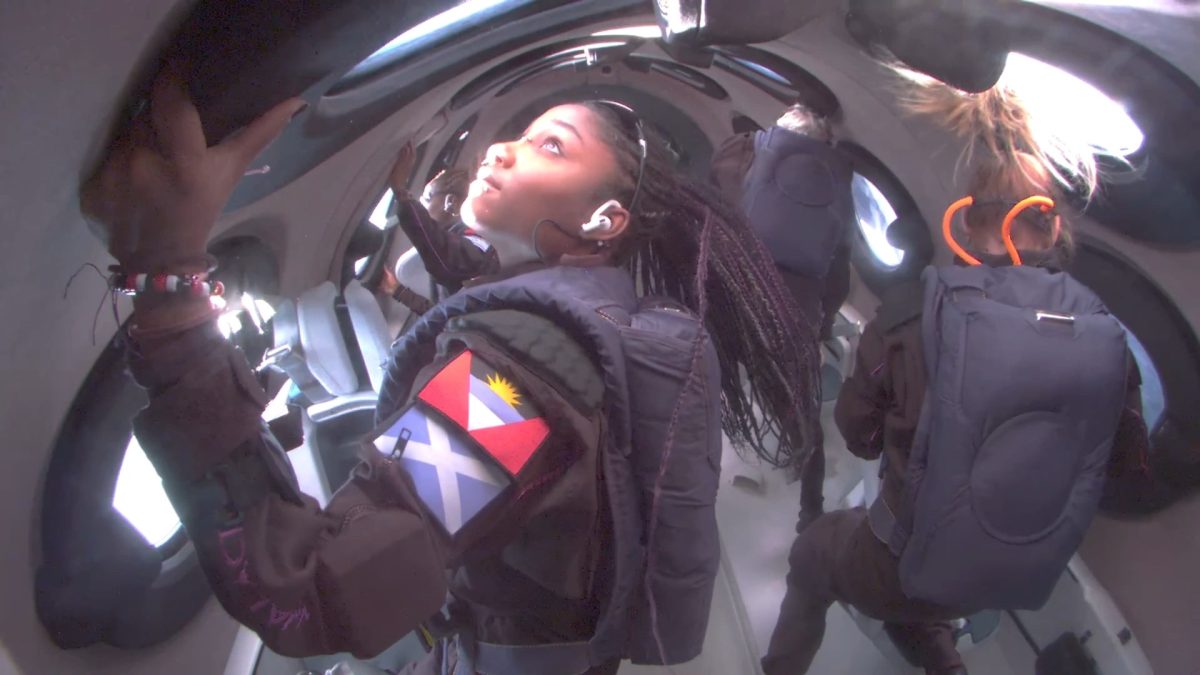
The journey unfolds in the United States, starting in Las Cruces, New Mexico. The first four days are all about preparation. Travelers undergo simulator-based training, centrifuge and G-force tolerance exercises, parabolic flights, sensory-overload drills, emergency-response practice, and equipment operation. By day five, they board a Virgin Galactic spacecraft for a 90-minute suborbital ride. During the flight, passengers experience several minutes of weightlessness and gaze at Earth through the spacecraft's 17 windows.
This listing marks a significant shift. Space travel, once the domain of government agencies and specialized aerospace firms, is now being sold alongside luxury vacations. For China, it's a signal of growing interest in the commercial space tourism market. The country has already made strides in space, operating its own Tiangong space station and planning crewed lunar missions. But tourism is a different beast. Instead of months-long scientific missions, commercial operators are focusing on shorter, suborbital experiences for wealthy private travelers.
China's ambitions extend beyond selling overseas tickets. In November 2025, the China Aerospace Science and Technology Corporation (CASC) announced its own space tourism initiative at the China International High-Tech Fair in Shenzhen. The move comes as China's commercial aerospace sector expands beyond government-led programs. Cooperation with Russia on the International Lunar Research Station continues, with site reconnaissance due in 2026 and construction expected from 2028.
The global space tourism race is heating up. Virgin Galactic and Blue Origin are both working to establish regular passenger services. Blue Origin's New Shepard had flown 92 passengers by the end of 2025, including the first wheelchair user to cross the Kármán Line, ESA engineer Michaela Benthaus. Virgin Galactic, meanwhile, is preparing for a return to commercial operations with its next-generation spacecraft. The company opened bookings in April 2026 for 50 spaceflight expeditions at US$750,000 each. By August, the tranche was oversubscribed, adding more than US$50 million to expected revenue.
Virgin Galactic's first new spacecraft is now slated for commercial service in February 2027, later than the earlier target of late 2026, to allow more time for avionics and systems installation. For Trip.com customers, that means booking an experience ahead of the planned return to passenger operations. The listing has sparked lively discussion on Chinese social media, with some questioning whether a few days of preparation are enough for spaceflight, and others expressing doubts about the maturity of commercial space tourism by 2027. Physical demands and passenger safety responsibilities are also hot topics.
At 5.1 million yuan, the price keeps space tourism far beyond the reach of most travelers. But its presence on a major travel platform signals a broader trend. Spaceflight is increasingly being marketed alongside other high-end experiences, not just as a niche for aerospace enthusiasts. For China, it's another step in the country's evolving relationship with space, one that could eventually see Chinese travelers heading to the stars from their own soil.
For now, the journey starts in New Mexico. But as China develops its own commercial spaceflight capabilities, the day may come when the launch pad is closer to home. Until then, the six-day package remains a once-in-a-lifetime adventure for those who can afford it. And with two seats already taken, the demand is clearly there.
For more on how space and travel are intersecting, check out Macao's new flying theatre and China's new jetliner. And if you're curious about how tourism is reshaping other industries, Spain's tourism boom offers a different perspective.