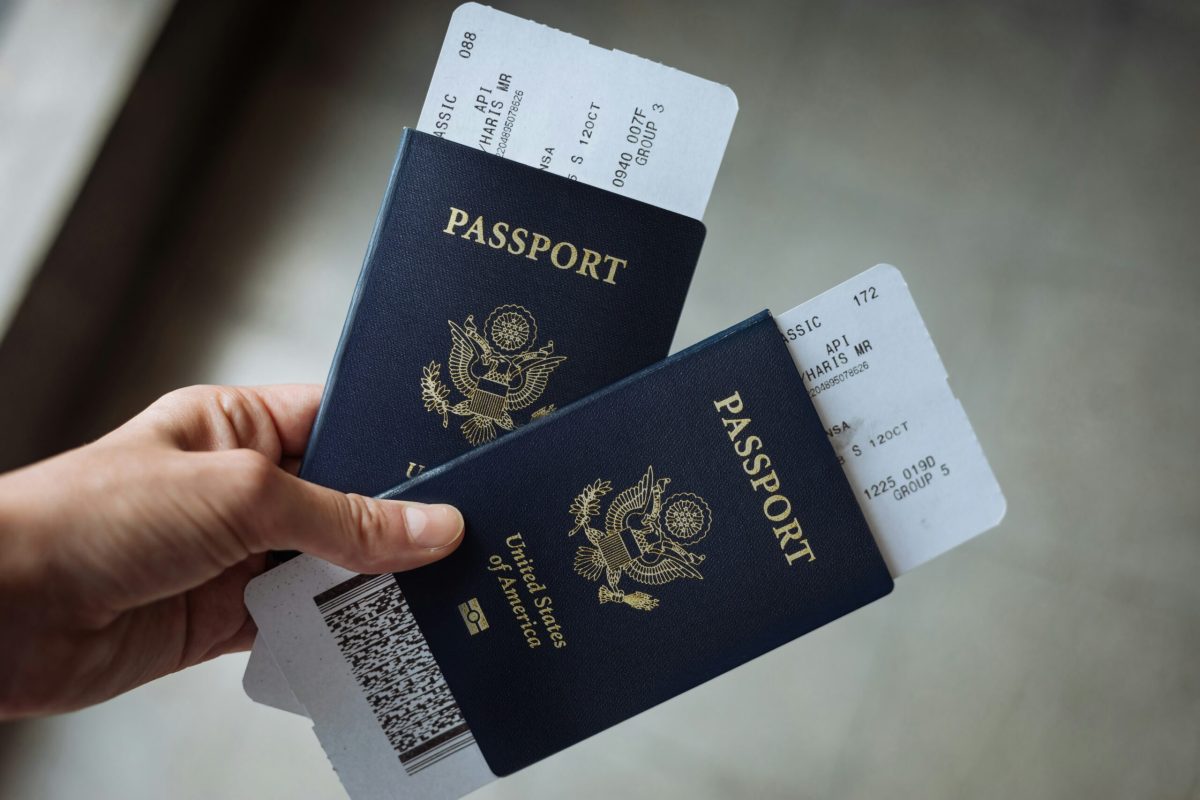
For the first time in a hundred years, the simple act of boarding a ferry between Ireland and the UK will require a passport. The change, announced with just over a month's notice, has caught many travelers off guard and sparked debate about the future of the long-standing open border between the two nations.
Starting September 28, 2026, all passengers on routes between the Republic of Ireland and the UK, Channel Islands, and Isle of Man must present a valid passport at check-in. This applies to every traveler, regardless of age or nationality. Irish citizens can use their passport card, but other forms of ID like driving licenses and national identity cards will no longer be accepted.
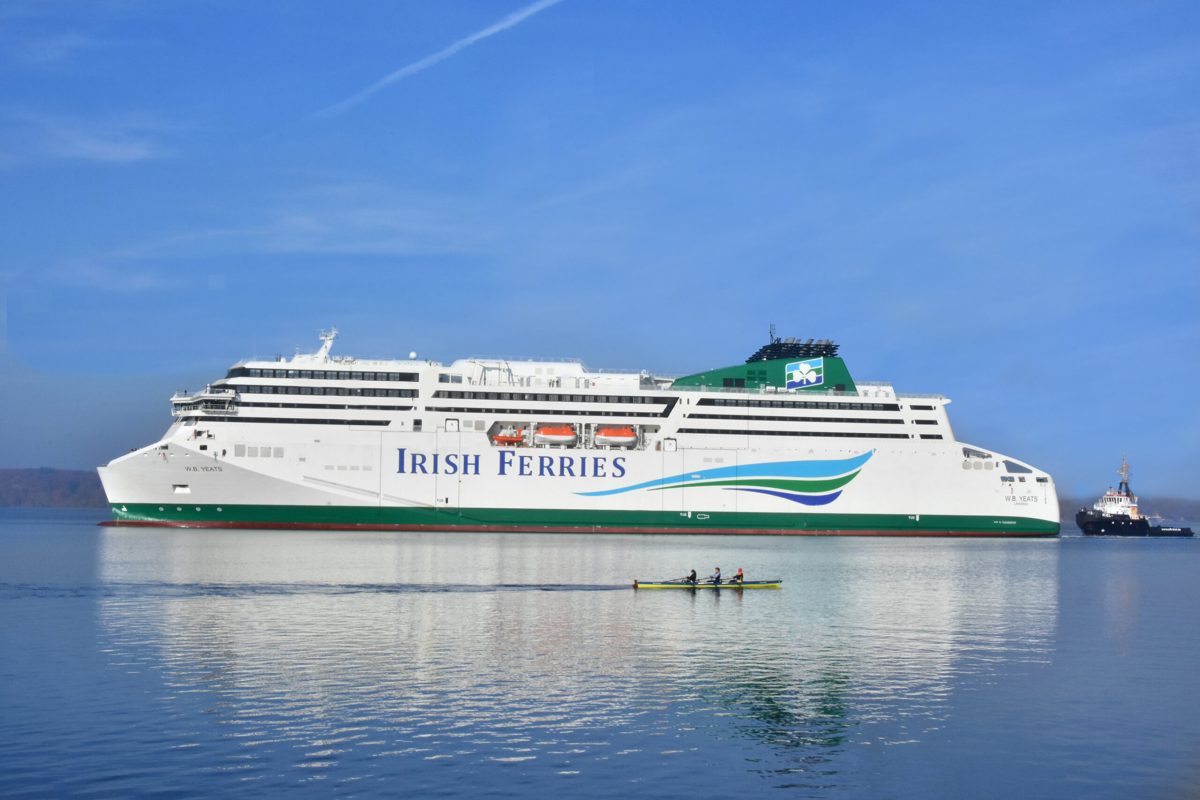
The new rules affect ferries departing from Dublin, Fishguard, Holyhead, Pembroke, and Rosslare. Operators Stena Line and Irish Ferries have both confirmed the policy. Stena Line stated that anyone unable to show a passport will be refused boarding on these routes. However, its Northern Ireland services between Belfast and Liverpool, Cairnryan, or Heysham remain unaffected.
Irish Ferries went a step further, warning that non-British or non-Irish citizens visiting the UK for up to six months may need an Electronic Travel Authorisation (ETA). This digital permit, already required for many travelers flying to the UK, will now apply to ferry passengers too. The company shared the news on social media, urging passengers to check requirements before heading to the port.
The Irish Foreign Ministry echoed that advice, telling travelers to "check the requirements of their carrier before travel and ensure they have the necessary documentation with them." For those who booked trips months ago without a passport in hand, this is a sudden and unwelcome surprise. Irish Ferries' announcement on X (formerly Twitter) has already drawn hundreds of comments from frustrated passengers.
Critics argue the move effectively breaches the Common Travel Area (CTA), the arrangement that has allowed free movement between the UK, Ireland, the Isle of Man, and the Channel Islands for decades. The CTA predates the European Union and has been a cornerstone of travel between these islands. Requiring passports, they say, undermines that spirit.
The timing is also under fire. The rule was introduced at short notice, and Irish passport processing times are currently stretched. Some travelers may face delays or be forced to cancel trips. Tour operators have already reported cancellations, with one telling the BBC that clients are pulling out because they don't have valid passports.
For now, the advice is simple: if you're planning a ferry trip between Ireland and the UK, check your passport's expiry date and apply for an ETA if you're not a British or Irish citizen. The days of hopping on a ferry with just a driver's license are over, at least for now.
This shift comes as other travel rules evolve across Europe. If you're also flying, you might want to check how United's new transatlantic Wi-Fi could make your journey more enjoyable. And if you're planning a broader European trip, remember that Brussels' century-old fair is drawing crowds again, a reminder that some traditions endure even as others fade.