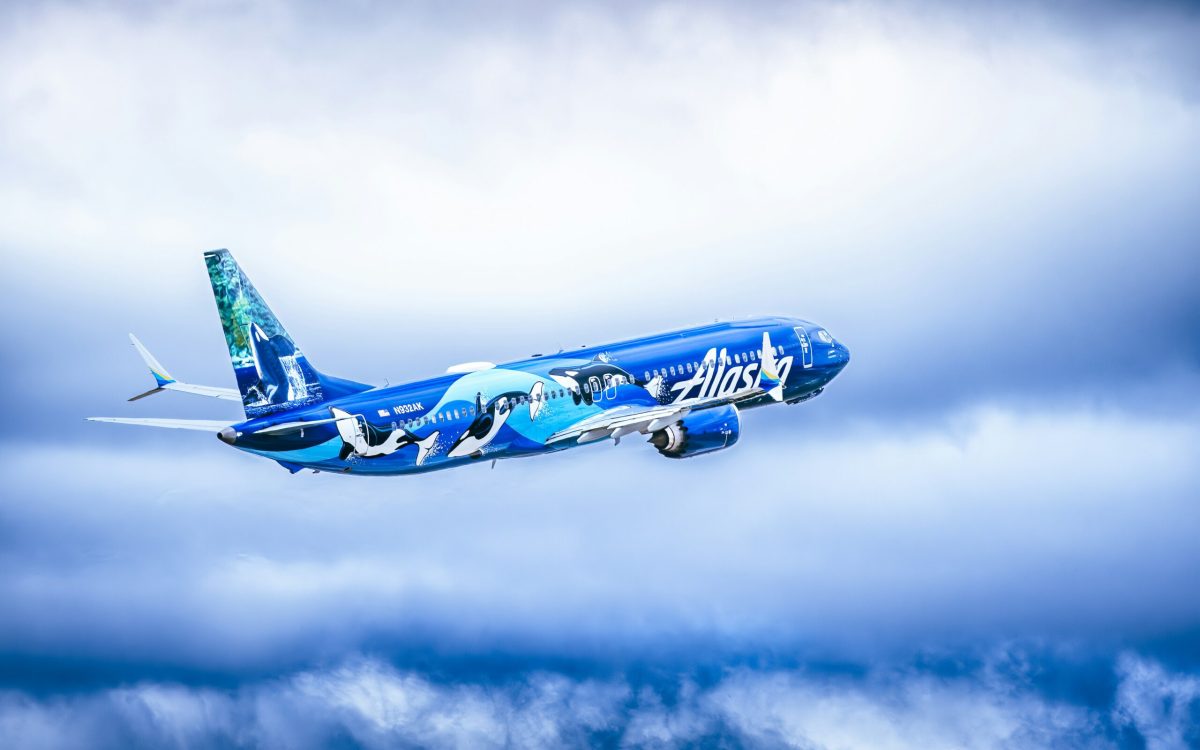
Alaska Airlines is about to change the game for domestic flyers who crave a good night's sleep at 35,000 feet. The carrier announced plans to introduce lie-flat suites on select coast-to-coast routes starting in 2028, a move that could make cross-country flights feel a lot more like a mini vacation. The new Aurora Suites will feature doors for privacy, turning your seat into a fully flat bed. That's a first for a narrow-body aircraft like the Boeing 737 MAX 10, and it's a clear signal that Alaska is chasing travelers willing to pay for comfort.
The airline plans to install 12 of these suites on at least 25 of its upcoming 737 MAX 10 jets. But that's not all. Alaska is also rolling out Premium Reserve, a premium economy cabin, on its Boeing 787s, Hawaiian Airlines' Airbus A330s, and select MAX 10s. Think wider seats, more recline, leg and calf rests, 16-inch entertainment screens, charging ports, and upgraded dining. It's the sweet spot between standard economy and business class, and it's arriving in 2028.
This push into premium comes as airlines across the US compete for passengers who want more than a basic seat. Domestic premium seat capacity in June was 27% above 2019 levels, according to Visual Approach Analytics, nearly three times the growth rate of economy seating. Alaska's president and CFO, Shane Tackett, told Reuters the investments could lift profit margins by two to three percentage points within a couple of years. But he also acknowledged the risk: if demand doesn't keep pace, those extra premium seats could sit empty.
The investment extends beyond the cabin. New lounges are planned for Seattle, Honolulu, and San Diego. Seattle's facilities, set to open in late 2027, will include both an Alaska Lounge and an Aurora Lounge. The Aurora Lounge, reserved for Aurora Suites passengers on intercontinental flights, will offer showers and made-to-order meals. Honolulu's lounge, opening in early 2028, will feature private workspaces, locally inspired food, and a full-service bar. San Diego's Alaska Lounge is also slated for 2028.
Alaska's acquisition of Hawaiian Airlines in 2024 laid the groundwork for this expansion. The deal brought widebody aircraft and a larger Pacific network, enabling Alaska to aim for 15 long-haul international destinations from Seattle by 2030, up from its previous target of 12. The cabin upgrades are part of a broader strategy to grow both where the airline flies and what it offers along the way.
Fuel prices remain a wildcard. Alaska withdrew its annual earnings forecast in April after costs spiked, and Tackett stopped short of reaffirming the 2027 deadline for the group's longer-term earnings target. "Whether that happens in 2027, or a bit later, it will be highly dependent" on fuel and the economy, he said. For travelers, that means the timeline for these premium products could shift, but the direction is clear.
If you're planning a coast-to-coast trip and want to stretch out, you might want to keep an eye on Alaska's schedule. For now, the airline is also expanding its loyalty program with an Atmos debit card planned for early 2027, aiming to boost revenue from partnerships. International flights and premium products from Seattle are "a must-do for us," Tackett said.
For more on how airlines are reshaping the premium experience, check out how Emirates just gave premium economy a full-height privacy wall. And if you're curious about the broader trend, why Singapore Airlines keeps winning while America fades offers some perspective. Meanwhile, jet fuel prices just forced airlines to rethink their winter schedules, a reminder that even the best-laid plans can hit turbulence.