Walk into Shenzhen's Nanshan District and you'll feel the weight of the world's seventh most populous city pressing down. Glass towers spike the skyline. Traffic hums. People rush. Then you stumble onto something that shouldn't exist here: a landscape that rolls like a valley, studded with native plants, where the noise falls away and you can actually breathe.
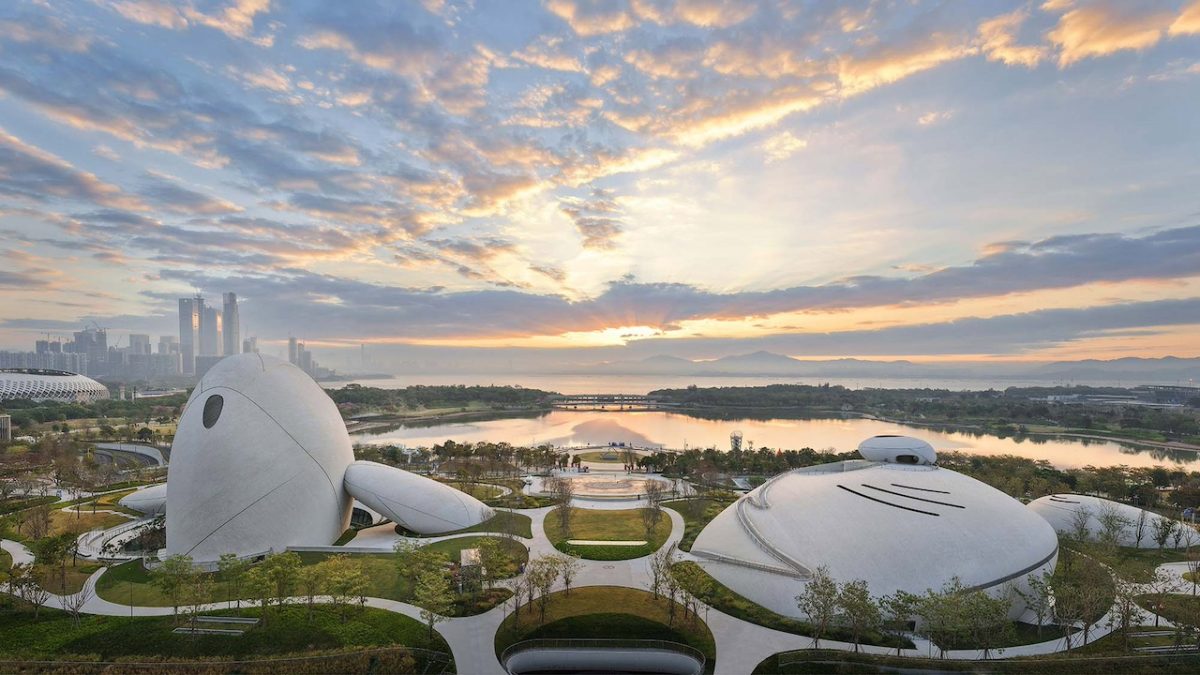
This is Shenzhen Bay Culture Square, the brainchild of MAD Architects and a masterclass in architectural rebellion. The firm, led by Ma Yansong, Dang Qun, and Yosuke Hayano, spent eight years building what locals affectionately call "the AirPods",a pair of massive white structures that hug the Houhai waterfront and look nothing like the steel boxes most cities mistake for progress. The 188,000-square-meter complex opened recently and has already become the sort of place that makes you question why more cities don't do this.
The story behind the design is quietly brilliant. The name itself draws from a classical Chinese concept: Shui Luo Shi Chu, which translates to something like "the water recedes and the rocks emerge." Ma Yansong asked himself a question that most architects never bother with: "Can public space be more open and equal?" He wasn't interested in another monument to ego. He wanted a space where people could actually live, rather than just move through.
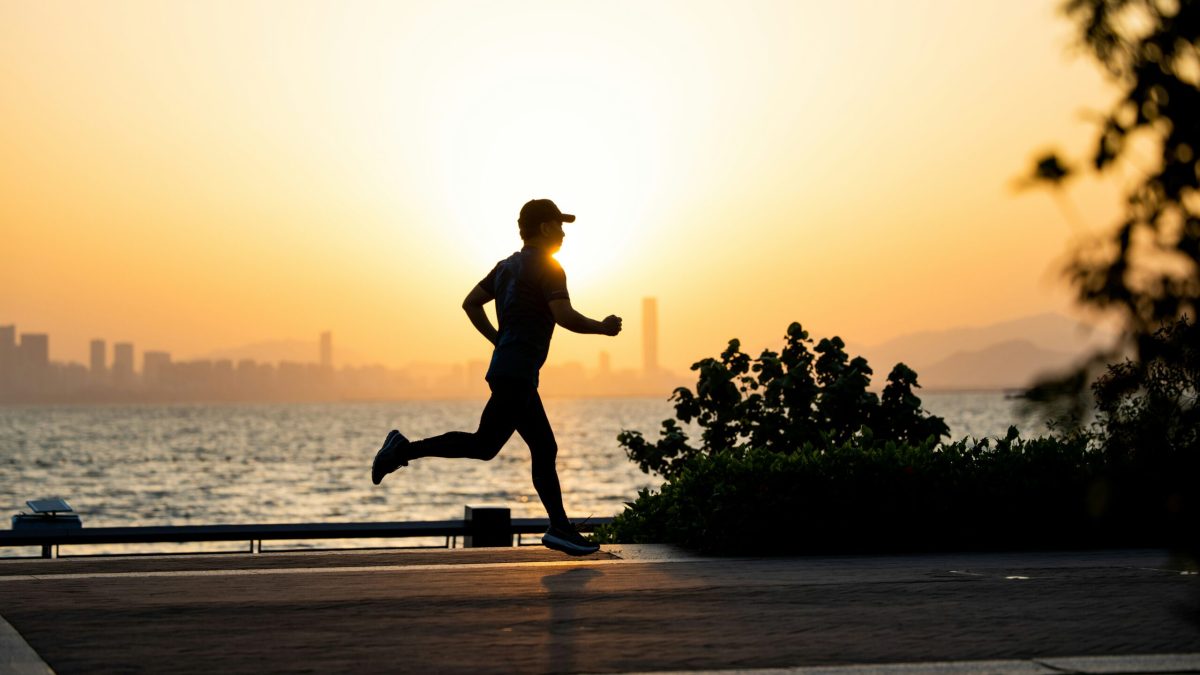
What makes this place tick is something almost radical for a mega-city: what you see is mostly landscape. The museum and cultural halls sit largely hidden beneath rolling, planted roofs that rise and fall like natural terrain. Above ground, pedestrians win. A sunken road runs along the eastern edge, buried so nothing blocks the view. Paths wind between lawns and trees toward viewpoints over the bay. Children chase each other across planted slopes. Joggers lap the grounds. Birdwatchers camp in pockets of quiet.
The architects were obsessive about the details. The pavilions get progressively shorter as you move from city toward shore, a choice made to protect the East Asian-Australasian Flyway, where millions of migratory birds pass through each year. Rather than drawing a hard line between landscape and wetland, native plantings fade gradually toward the water's edge, blurring the boundary between human design and nature.
Below the roofscape, the galleries exhale. Exposed ribbed concrete, minimal fuss, generous light from a ring-shaped atrium that connects the underground spaces. A shallow pool doubles as an open-air theatre. Markets, exhibitions, festivals, and concerts use nearby platforms. The whole complex sits between Houhai and Shenzhen's Jaw-Dropping Natural History Museum, creating a rare cultural corridor where the city's residents can actually slow down.
Ma Yansong described his ambition this way: turn a landscape reclaimed from the sea into something that invites people to step outside everyday perception and into a larger imagination of time and nature. In other words, create somewhere that feels intimate even when it's immense, somewhere people want to linger rather than sprint through.
For travelers visiting Shenzhen, this is essential. The city moves fast and relentlessly, but this waterfront square proves that doesn't have to be its only story. Come for the design. Stay because you'll have found the one place in the city where you remember why you travel in the first place: to feel small, to notice something beautiful, to let your mind wander without an agenda.