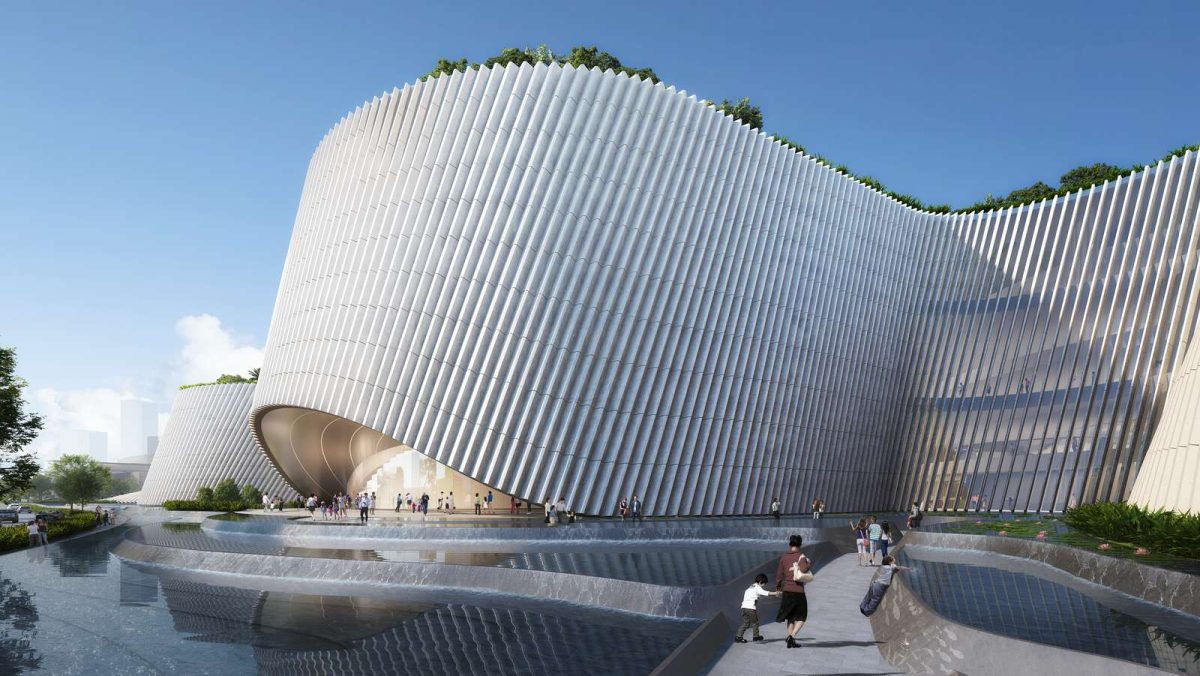
Shenzhen pulled off something bold in late July: it opened the doors to a museum so ambitious it makes most cultural institutions look timid. The new Natural History Museum isn't just another glass-and-marble showcase. It's a 105,300-square-metre complex that walks you through 4.6 billion years of planetary history, housed in a building designed to look like it sprouted from the earth itself.
The museum sits in Pingshan District, a part of the city most travelers never reach. But that's about to change. This place is now the largest natural history museum in South China, and it arrives alongside other megaprojects that are reshaping how people think about Shenzhen. For decades, the city earned its reputation as a tech and manufacturing powerhouse. Now it's quietly becoming a serious destination for architecture, science, and culture.
Eight Halls, One Epic Narrative
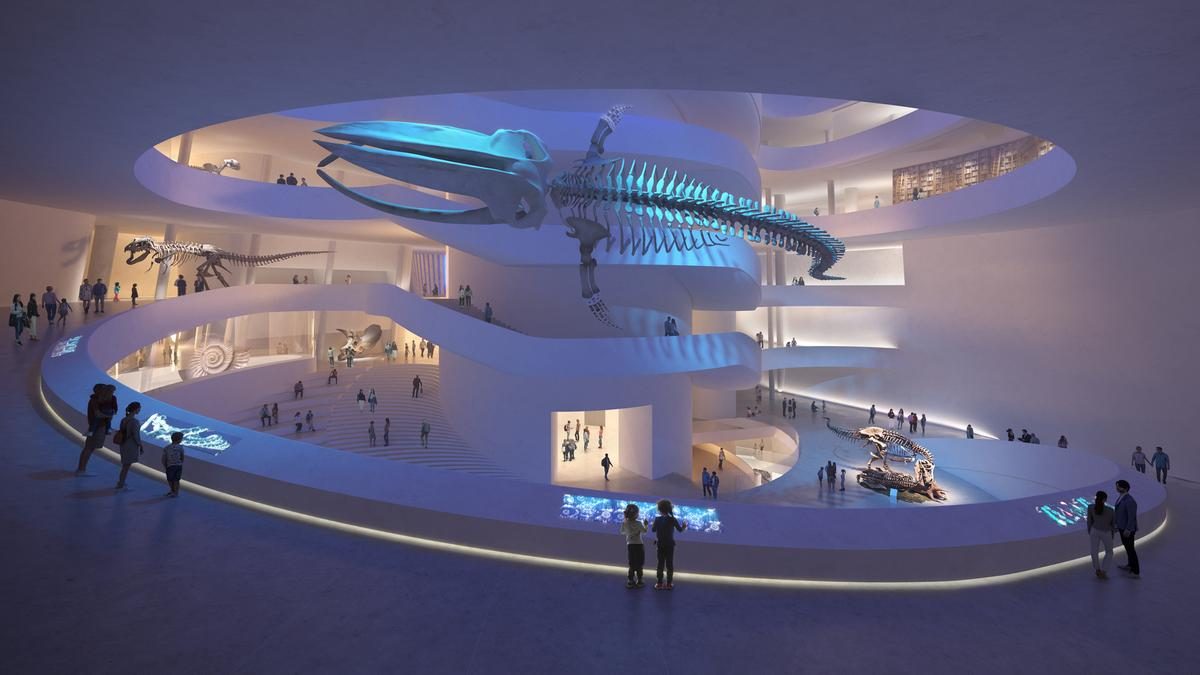
The permanent exhibitions occupy eight cone-shaped halls, each one telling a different chapter of existence. You start with the Universe and Earth, move through Evolution and Dinosaurs, encounter Humans and Biology, then explore Ecology before finishing with exhibits on Shenzhen's own subtropical wetlands and coastlines. It's a journey that pulls you from the cosmos to your immediate surroundings in a single afternoon.
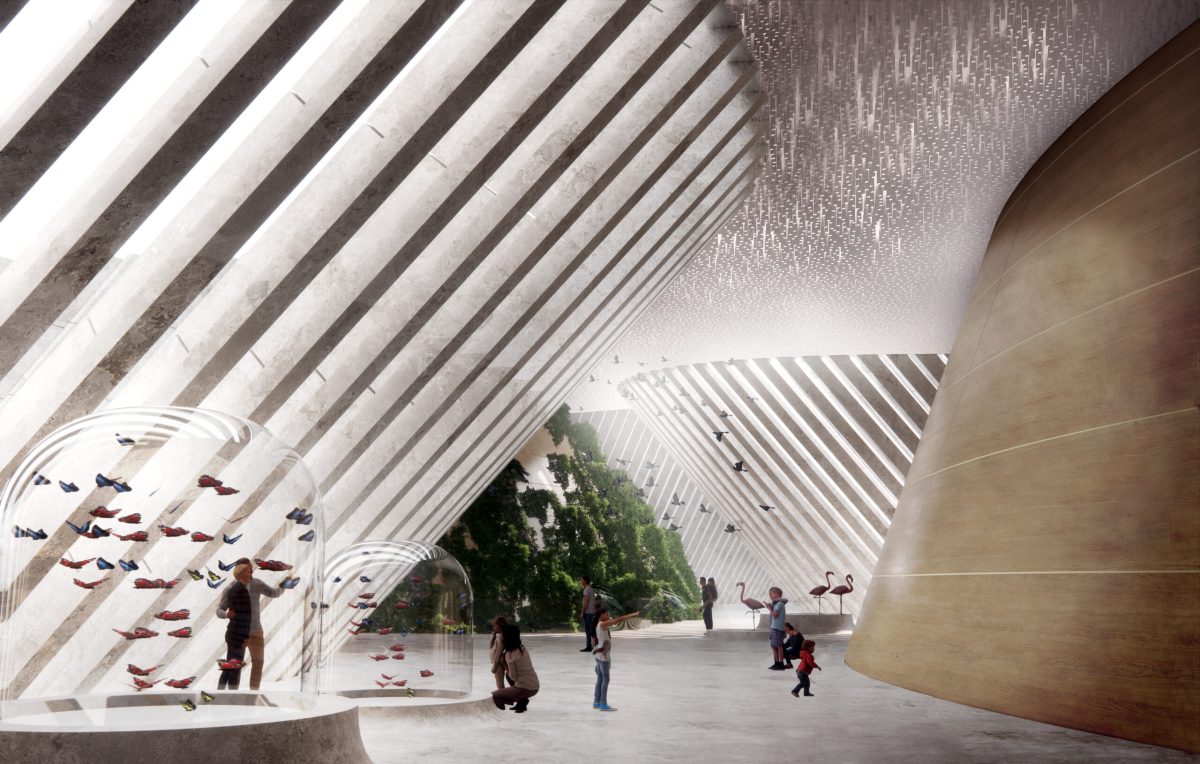
What makes it work isn't just the facts on display (though there are plenty). The museum blends traditional fossil exhibits with immersive environments, digital projections, and interactive installations. So you're not just reading labels. You're walking through recreated worlds. One standout highlight: over 200 rare wildlife specimens donated by American philanthropist Kenneth E. Behring, including African elephants and polar bears. These pieces have been familiar to Shenzhen residents since 2009, but they've finally found a permanent home worthy of their significance.
Architecture Inspired by Water and Stone
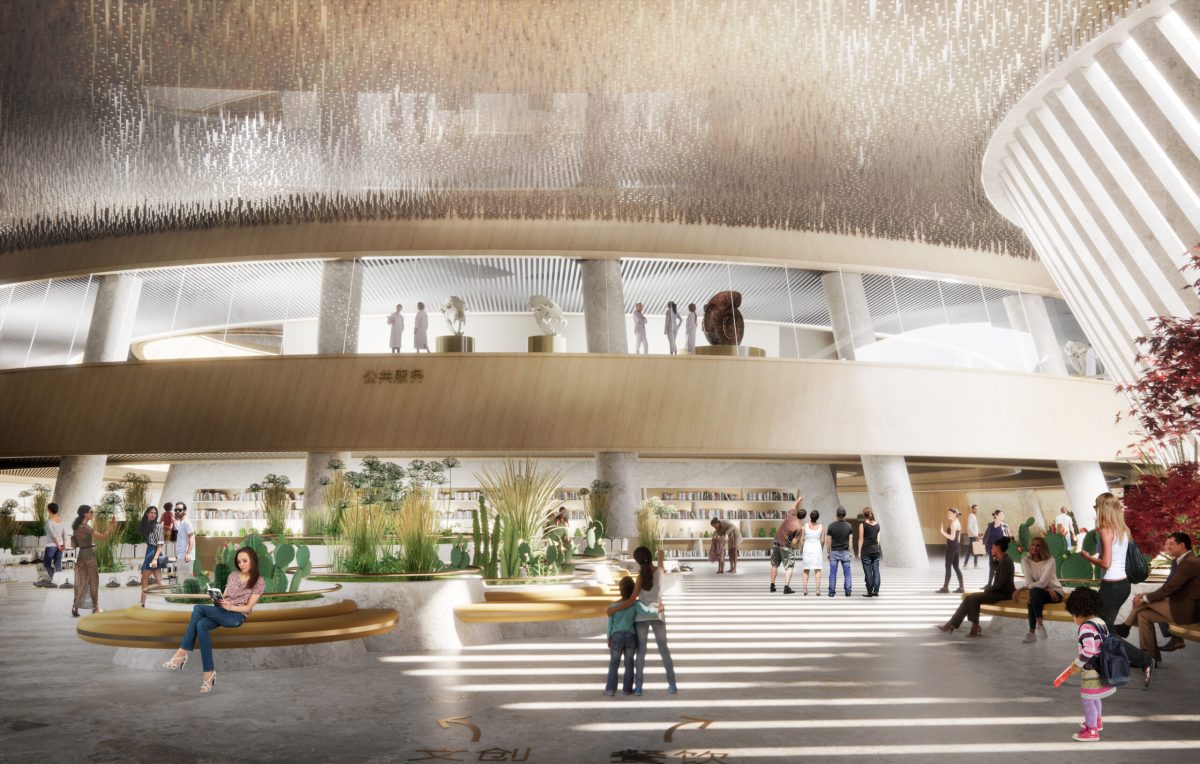
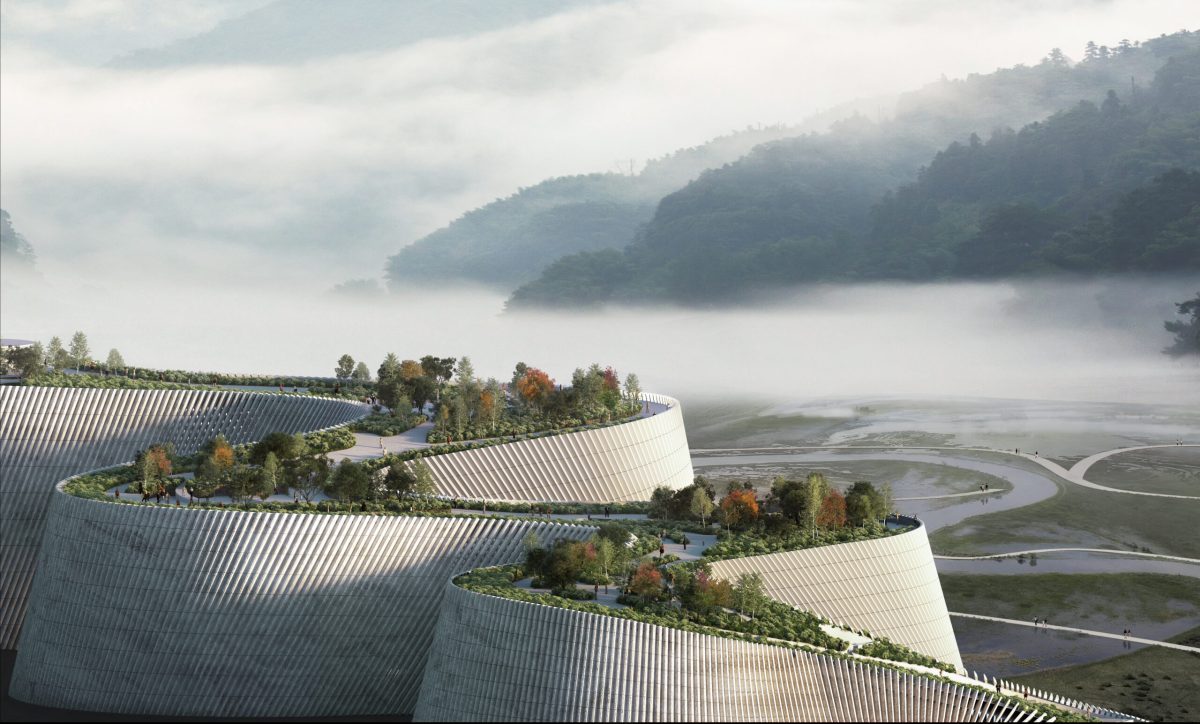
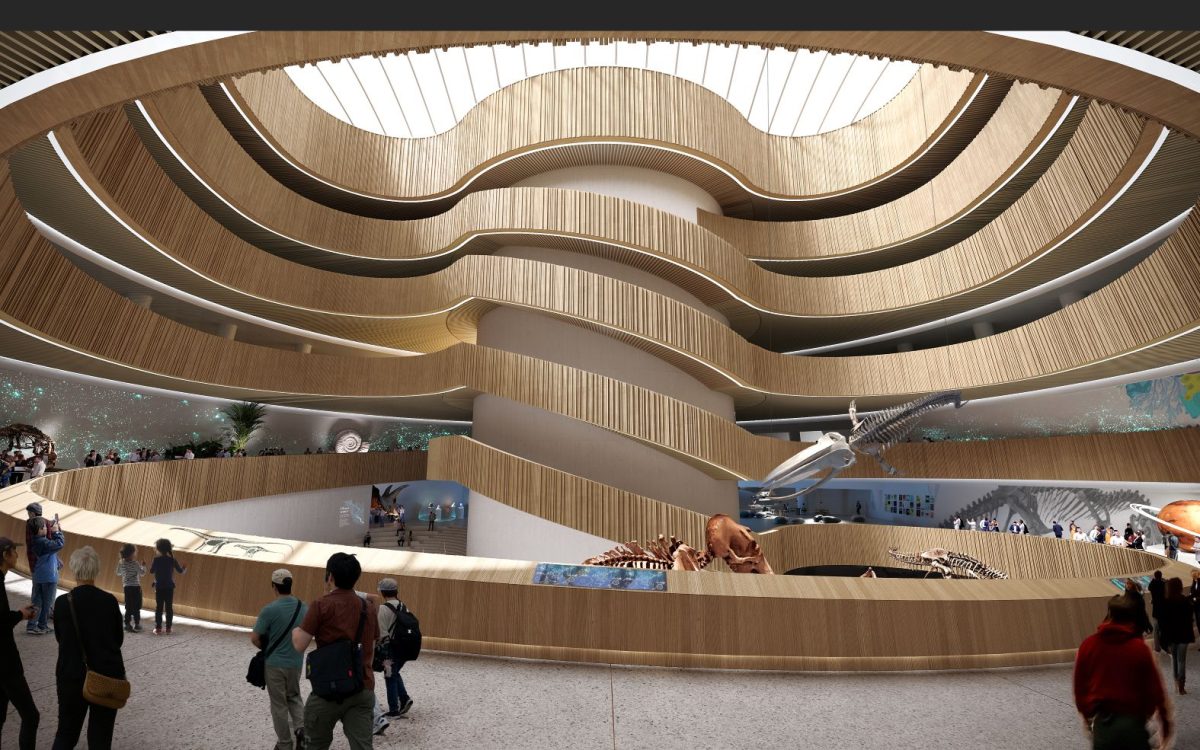
The building itself deserves attention. Designed by the firms 3XN, B+H, and Zhubo Design, the structure takes inspiration from the nearby Pingshan River. The exterior mimics a rocky cliff emerging from water, with flowing forms that feel organic rather than imposing. Eight interconnected cone volumes house the exhibition halls, while at the center sits a naturally lit atrium with a spiralling accessible ramp that welcomes visitors into the galleries below.
The facade uses locally sourced clay inspired by traditional Chinese terracotta tiles from the Zhou Dynasty. It's a smart move: honoring heritage while speaking a contemporary language. An outdoor plaza connects the museum to surrounding parkland, Yanzi Hill, and the river itself. You're never far from the natural world the exhibits celebrate, which makes the whole experience feel less like stepping into a sterile institution and more like wandering through a landscape that's been thoughtfully curated.
Building Smarter, Not Just Bigger
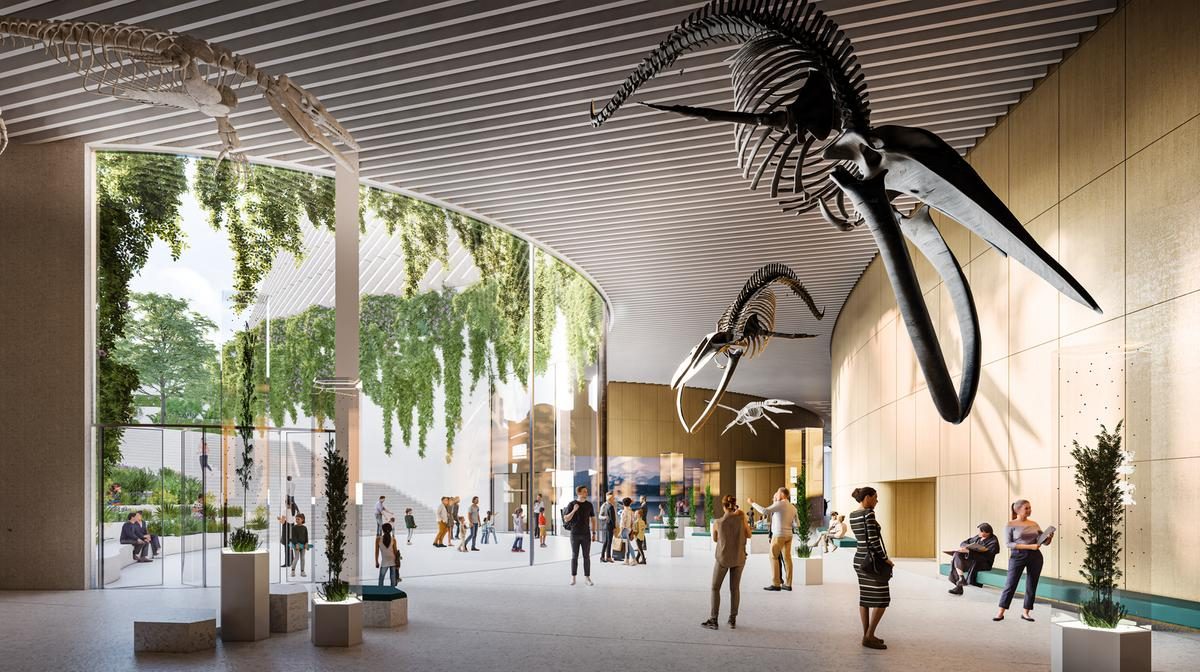
Environmental sustainability isn't window dressing here. The museum incorporates upcycled materials, landscaped flood-prevention zones, and a rainwater harvesting system that feeds into a botanical rooftop park. The lakeside setting enables an integrated water management system that captures and reuses rainwater for cooling and irrigation. It's the kind of detail that shows whether a cultural institution actually believes in what it's displaying or just performing environmentalism.
This is part of a larger transformation happening across Shenzhen. The city is building 10 major cultural institutions simultaneously, including ambitious new museums and performance venues that signal a shift in identity. Shenzhen isn't abandoning its tech roots. It's adding layers. It's becoming the kind of city where you can spend a day marveling at 4.6 billion years of history, then head to the opera house for the evening.
Getting There and What It Costs
Here's the best part: admission is completely free. You can reach the museum via Metro Line 16 to Shaba Station or take the Shenzhen SkyShuttle to Natural History Museum West Station. The museum opened to the public on July 28 after a trial run that started in June.
If you're planning a trip to the Greater Bay Area, add this to your itinerary. Shenzhen has historically been overlooked by travelers in favor of nearby Hong Kong or Guangzhou. But this museum, combined with the city's thriving food scene and emerging cultural calendar, makes a strong case for spending real time here. You might find yourself staying longer than you expected.