You've been cooking pasta wrong. Or maybe you haven't, but chances are you're not thinking about it with nearly enough rigor. Researchers at Lund University in Sweden recently turned their attention to what seems like the simplest kitchen task, and what they discovered is surprisingly intricate.
The team conducted a detailed investigation into pasta structure using advanced imaging techniques, examining everything from cooking duration to salt concentration and the role of gluten. They tested both standard spaghetti and gluten-free varieties, all mass-produced varieties you can grab at any supermarket. The results, published in the journal Food Hydrocolloids, reveal that pasta preparation is actually a precise discipline.
The Gluten Paradox
Here's the surprising twist: regular pasta is actually more forgiving than its gluten-free counterpart. That's because gluten acts as a structural safeguard, protecting the starch inside during cooking. Andrea Scotti, senior lecturer in physical chemistry at Lund University, explains it plainly: "The gluten in regular spaghetti acts as a safety net that preserves the starch. The gluten-free pasta, which contains an artificial matrix, only works optimally under exactly the right cooking conditions. Otherwise the structure easily falls apart."
This matters if you're traveling through Italy, dining at restaurants worldwide, or hosting meals at home. If you're accommodating guests with dietary restrictions, understanding these structural differences becomes crucial. When preparing specialty foods, precision transforms the experience from frustrating to delicious.
The Numbers That Matter
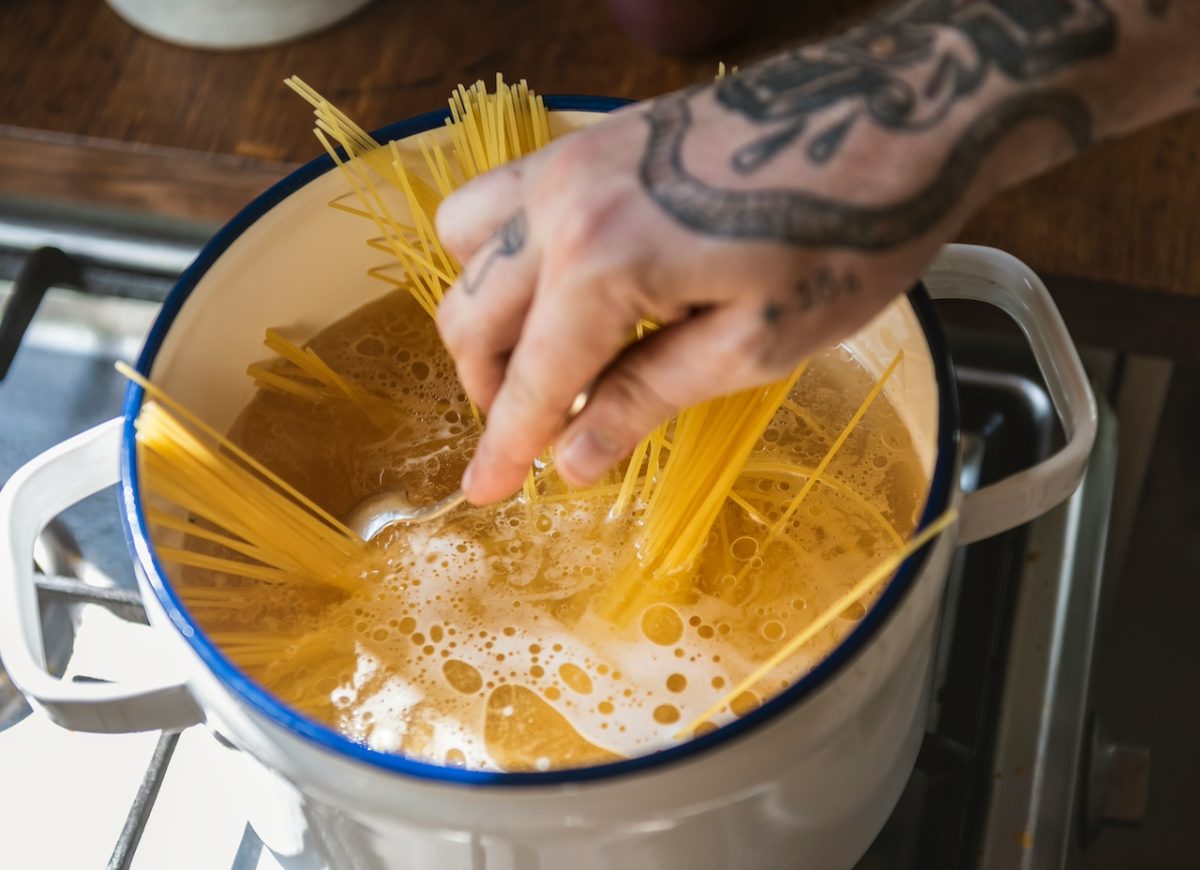
The Swedish researchers pinpointed specific optimal conditions. Spaghetti reaches its ideal texture when boiled for exactly 11 minutes. The salt ratio is equally important: seven grams per litre of water produces the best structural integrity. This isn't just about flavor preference, either. Scotti emphasizes that "cooking pasta with the right amount of salt is not just a matter of taste. It affects the microstructure of the pasta and thus the whole dining experience."
These precise measurements mean regular pasta tolerates slight variations without falling apart. Cook it a minute or two longer than intended, and it maintains its shape and bite. Add a bit extra salt, and the pasta stays firm. This tolerance vanishes with gluten-free options. Miss those parameters, and you're left with mush.
What This Means for Home Cooks
The practical takeaway is straightforward. Time your regular pasta carefully, but you have some wiggle room. Gluten-free pasta demands adherence to package instructions. There's no improvising, no guessing based on what "looks done." You need a timer and patience.
For travelers exploring culinary traditions abroad, this research offers perspective. When eating fresh pasta in Rome or Bologna, you're experiencing something structurally different from the dried varieties most of us cook at home. Fresh pasta, without the commercial processing of boxed spaghetti, behaves differently entirely. But if you're preparing a meal wherever your travels take you, the science applies across the board.
Why Precision Matters When Cooking Abroad
Many travelers find themselves cooking in unfamiliar kitchens, whether in rental apartments or Airbnbs. Water chemistry varies by location. Some regions have harder water, which affects cooking times. The pasta brands available might differ from what you use at home. Having these scientific benchmarks in your back pocket gives you confidence that a simple dish turns out well, even when everything else feels foreign.
The lesson here isn't complicated. Pasta is both humble and demanding. It requires your attention, your timer, and honest respect for what happens at the molecular level when starch hydrates under heat. That's what separates mediocre from memorable pasta, whether you're cooking in your home kitchen or testing your culinary skills on the road.