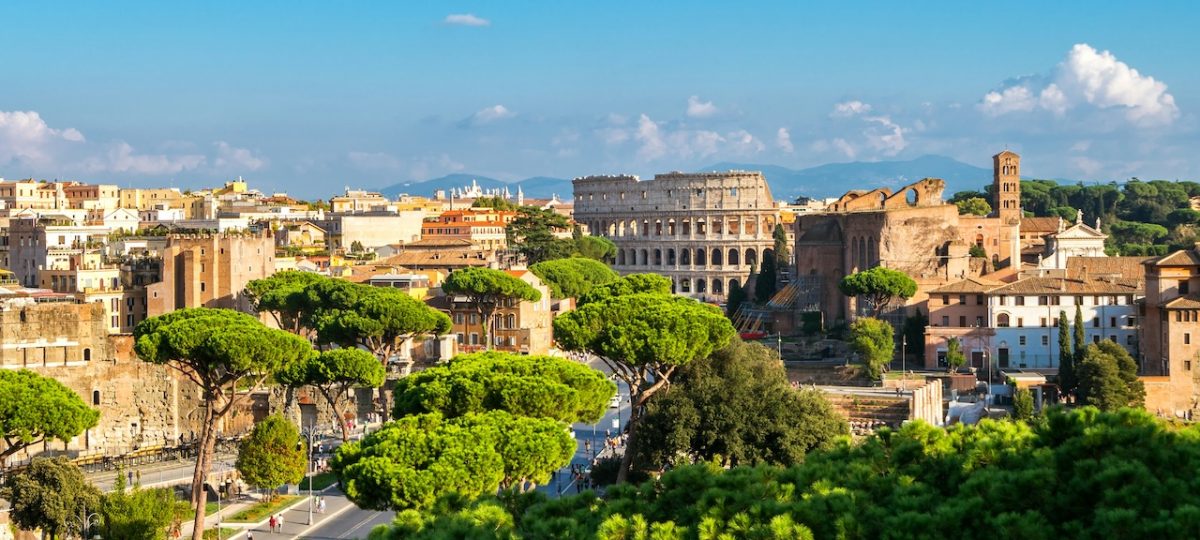
Walk down Via dei Fori Imperiali on a sunny afternoon and you'll understand why Rome's umbrella pines have captivated visitors for over a century. Their distinctive parasol-shaped canopies create natural archways above one of the world's most storied streets, connecting the Colosseum to Piazza Venezia. But these beloved trees are in trouble, and the city has begun an urgent removal program that signals a larger environmental challenge facing the Italian capital.
Starting in late 2023, several of the towering pines simply collapsed. Three separate incidents along the avenue left visitors injured, forcing authorities to close this heavily trafficked pedestrian route. Stability inspections that followed revealed a sobering reality: out of 36 trees tested, 12 were deemed dangerously unstable and at immediate risk of failing. The work crews you may have spotted last spring cutting through the historic trunks were responding to a genuine public safety crisis.
What Weakened Rome's Legendary Trees
These aren't young saplings. Many of the 54 umbrella pines along the avenue have stood for roughly 120 years, providing shade and character across generations of Roman life. But age alone didn't cause their decline. The trees have been battling a perfect storm of modern pressures. Decades of urban stress, extreme heat waves, intense rainfall patterns, and the relentless wear of millions of footsteps below their roots all contributed to their deterioration.
The final blow came from an invasive pest called the Pine Tortoise Scale, which has devastated Rome's pine population in recent years. This tiny but destructive insect has spread across the city, weakening trees that were already compromised. For city officials, the choice became clear: remove the unstable trees now or risk more injuries to the tourists and locals who rely on this corridor daily.
What Happens to the Avenue Now
Rome isn't abandoning the character that made Via dei Fori Imperiali special. The city is replanting with new specimens of the same pine species, choosing trees of appropriate size and maturity to eventually recapture the avenue's iconic appearance. However, these replacements won't provide instant shade or the weathered charm of their predecessors.
Pedestrian access has been gradually restored as further safety assessments continue on the remaining trees. If you're planning a visit, the avenue is now passable, though expect ongoing maintenance work and a noticeably changed landscape as the new trees take root.
The Silver Lining for Visitors
While the tree situation evolves, the Colosseum itself has gotten more exciting. In late 2025, the archaeological park revealed the restored Commodus Passage, a long-hidden underground tunnel that Roman emperors once used to reach the amphitheatre without being seen by crowds. It's one of the rare new experiences being added to this ancient site, giving first-time and repeat visitors alike fresh reasons to explore.
Rome's challenges with these trees reflect broader questions many historic cities face: how do you preserve character and history while adapting to climate stress, invasive species, and the sheer volume of human traffic? The answer here is pragmatic: remove what's unsafe, replant what was lost, and keep improving the experience for visitors. The avenue won't look exactly as it did a decade ago, but it's still worth your time.