
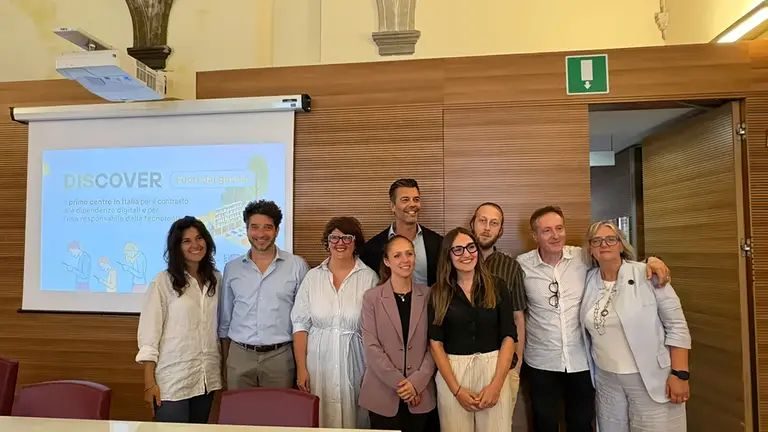
Florence is opening Italy's first center devoted entirely to helping young people develop a better relationship with screens and digital tools. Called Discover, Out of the Shell, the initiative launches after summer 2026 and represents a strikingly different philosophy from what's happening elsewhere across Europe.
Rather than wielding the ban hammer, the center (run by ASL Toscana Centro, the City of Florence, and the Retesviluppo cooperative) takes the view that technology itself isn't the villain. The real challenge is helping kids between 10 and 25 learn how to use digital platforms consciously. "Technology is part of their world," explains Florence's Youth Policies Councillor Letizia Perini. "Our job is to help them find balance between time online and time for real relationships, sports, culture, and experiences together."
What the Center Actually Does
Discover will offer guidance programs, counseling sessions, and workshops focused on media literacy and social skills. But here's what makes it different from a typical health clinic: the center actively encourages young people to step away from screens through board games, hands-on projects, group activities, and collaborative experiences. It's not a lecture hall or a detention center. It's a space designed for connection.
The wider strategy links schools, youth centers, sports clubs, libraries, and community organizations into one network around young people's digital habits. Parents and educators get access too, because this isn't about isolating teenagers from adults. For more serious cases involving social withdrawal, isolation, or psychological struggles, local health services can provide additional clinical support.
Ester Macrì, president of Retesviluppo, frames the approach this way: "We're not imposing restrictions. We're turning young people from passive consumers into active protagonists of their own time through guided disconnection and teaching them to use technology consciously."
A Very European Debate
Florence's choice comes as Europe grapples with how to protect younger generations in an increasingly connected world. Australia became the first country to ban social media outright for anyone under 16, blocking TikTok, Instagram, Facebook, and Snapchat access entirely. France has followed suit with legislation banning social media for children under 15, rolling out age verification requirements starting in 2026.
Both countries argue the restrictions protect mental health and wellbeing. Critics counter that privacy risks, age verification loopholes, and teenagers' ability to find workarounds make bans impractical and potentially harmful.
Italy's Discover center reflects a third path. Instead of removing young people from digital spaces, the initiative equips them with the knowledge and support to navigate those spaces responsibly. It acknowledges what's obvious to anyone who's been around teenagers in the last decade: technology isn't going anywhere. The conversation has shifted from "How do we keep them off the internet?" to "How do we help them be smarter about it?"
For travelers visiting Italy in 2026 and beyond, Discover will stand as a fascinating case study in how one European city chose education and community over prohibition. Whether this gentler, support-based model proves more effective than outright bans remains to be seen. But in a continent divided on the best way forward, Florence is betting that teaching young people to think critically about technology matters more than simply shutting the door.