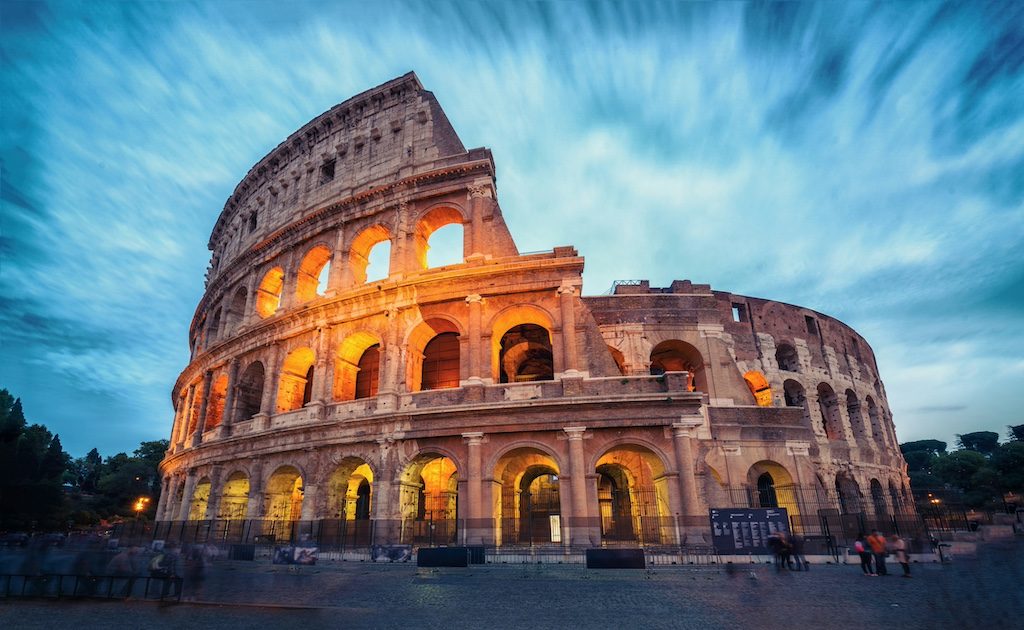
The Colosseum has weathered two millennia of history, but lately it's been battling a modern threat. In late August, Rome officially declared the area surrounding the ancient amphitheater a security 'red zone' after a troubling surge in violent attacks, theft, and drug dealing. The designation will remain active through December 2026, fundamentally reshaping how travelers experience one of the world's most visited landmarks.
The decision came after a particularly violent incident in July, when roughly 50 young people attacked police officers around the monument, using fireworks and leaving several officers injured. That escalation pushed city officials to treat the area as a public emergency requiring immediate intervention. Rome Prefect Lamberto Giannini described the situation as presenting a 'serious risk of serious damage' to sensitive parts of the city, prompting the deployment of additional security forces working around the clock.
What the Red Zone Actually Means for Visitors
Under the new measures, police presence has been reinforced continuously, now working alongside military personnel already stationed at Rome's busiest tourist sites. Officers have been granted expanded powers to stop suspected troublemakers and order individuals to leave the protected area entirely. Checkpoints, barriers, and armed personnel are now a standard fixture around the monument, adding an undeniable layer of security theater to your visit.
An American tourist recently told CNN she witnessed a woman being pickpocketed despite the visible security presence. Her hotel also warned her against visiting the area after sunset. While the extra cops and soldiers create a sense of safety during daylight hours, authorities haven't completely stamped out criminal activity. The red zone is essentially Rome's acknowledgment that previous security measures simply weren't working.
The Metro Station That Changed Everything
Ironically, part of this problem stems from an infrastructure upgrade meant to help visitors. A new Colosseum metro station opened in December 2025 as part of Rome's 7 billion euro expansion of its underground network. The station provides direct access to the historic center and features a multi-level underground museum displaying archaeological finds from construction. Sounds great on paper, right?
But that easy access proved to be a double-edged sword. According to Giannini, the improved transport connection made it far easier for groups of marginalized young people to reach the area and target tourists and residents alike. What was designed as a convenience for travelers became a vulnerability that criminals exploited. This is the messy reality of modernizing ancient cities: better infrastructure sometimes creates new problems alongside its benefits.
Rome's Broader Security Crackdown
The Colosseum isn't Rome's only vulnerable spot getting reinforcements. Authorities have introduced similar enhanced security measures around Termini railway station, St. Peter's Basilica, and the Basilica of Santa Maria Maggiore. Visitor numbers to the latter have surged since Pope Francis was laid to rest there in April 2025, creating new crowds to manage and new opportunities for crime. As transit infrastructure expands across Europe, cities are grappling with how to handle the influx of people it brings.
Military personnel armed with automatic weapons are now a normal sight at Rome's major attractions. Barriers and checkpoints that would look more at home in an airport surround some of the world's most precious historical sites. This heavy-handed approach raises questions about what it means for the visitor experience when you need to navigate security checkpoints to see 2,000-year-old architecture.
Planning Your Visit in the Red Zone Era
So what does this mean for your Roman holiday? Expect longer wait times and security screening when visiting major sites. Avoid the area around the Colosseum after dark, especially if you're traveling alone or unfamiliar with the neighborhood. Stick to daylight hours and main tourist routes. Your hotel staff will likely have current advice on which neighborhoods to avoid and which parts of the city feel safest at different times of day.
Rome remains worth visiting, and millions of travelers still move through the city safely each year. But the Eternal City is no longer the romantic, carefree destination it once appeared in Hollywood films. It's a working metropolis of nearly 3 million people managing the constant tension between welcoming visitors and protecting both travelers and residents from harm.
Authorities plan to assess the effectiveness of the red zone measures in September, evaluating whether the increased police presence and expanded intervention powers have actually reduced crime. Until then, Rome's most iconic landmark will operate under unprecedented security restrictions, a reminder that even the world's most storied destinations must adapt to modern challenges.