What you eat shapes more than your waistline. A significant new study suggests that your dietary choices could influence your cancer risk in ways both protective and concerning. Researchers recently analyzed health data from 1.8 million people across different eating patterns, and what they found challenges the idea that any single diet is a one-size-fits-all solution.
The headline findings are encouraging for vegetarians. Compared to meat eaters, vegetarians showed a 31 percent lower risk of multiple myeloma, 28 percent lower risk of kidney cancer, 21 percent lower risk of pancreatic cancer, 12 percent lower risk of prostate cancer, and 9 percent lower risk of breast cancer. Together, these five cancer types account for roughly one-fifth of all cancer deaths in the UK, making the potential impact substantial.
Why Plants Might Protect Against Cancer
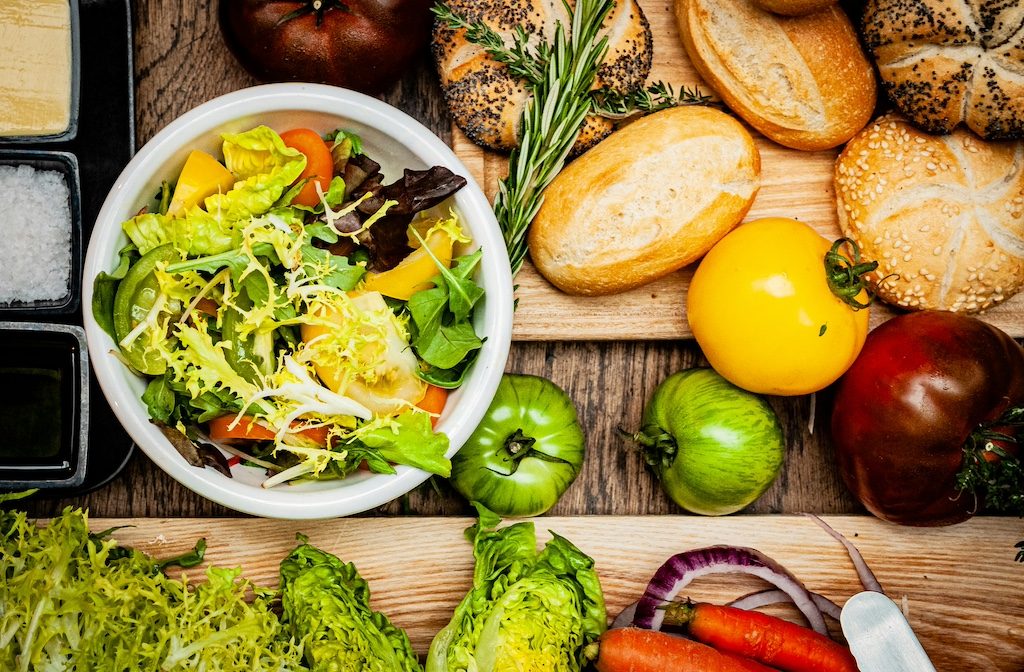
The science here feels intuitive at first. Plant-based diets tend to be rich in dietary fiber, carotenoids, and vitamin C. Vegetarians also typically consume less saturated fat than meat eaters. These nutritional advantages could explain lower cancer rates. But the researchers are careful not to oversimplify. They note that vegetarian and vegan diets sometimes lack adequate protein, vitamin B12, and certain micronutrients that omnivorous diets naturally provide. Whether the protective effect comes from eating more of certain foods or avoiding meat entirely remains unclear.
The Troubling Findings Nobody Expected
Here's where the story gets complicated. Vegetarians faced nearly double the risk of squamous cell carcinoma compared to meat eaters. The researchers suspect B vitamin deficiencies could be the culprit. Even more striking, vegans showed a 40 percent higher risk of bowel cancer compared to meat eaters, likely tied to low calcium intake and other nutrient shortfalls in some plant-based diets.
These unexpected findings are a reminder that cutting out food groups without careful planning can backfire. A diet that sounds healthy on paper only delivers health benefits if you're actually getting all the nutrients your body needs.
What This Means for Your Eating Choices
The research team emphasizes that properly planned vegetarian and vegan diets are healthful and nutritionally adequate when done right. The key word is planned. Swapping meat for processed plant-based products without attention to protein, B12, calcium, and iron won't deliver the benefits these people hoped for.
The researchers also note significant limitations to their work. Most participants came from Western Europe and North America, so findings may not apply equally across different populations. The exact mechanisms behind the protective effects remain mysterious. Diet varies enormously between individuals, even within the same eating category. Someone calling themselves vegetarian might have a radically different diet from another vegetarian across town.
The researchers call for future studies that dive deeper into metabolic factors, nutritional deficiencies, and populations beyond the Western world. They want more data specifically from vegans, a group with smaller sample sizes in this study.
The Takeaway for Travelers and Food Lovers
If you're considering a dietary shift, whether for health, ethics, or the environment, this research suggests knowledge matters more than ideology. Vegetarianism and veganism can offer real cancer protection, but only when thoughtfully constructed with attention to the nutrients your body requires. Skipping meat without understanding what nutritional gaps you're creating could leave you worse off than before. The goal is informed choice, not just choice for its own sake.