Brazil's Atlantic Forest is one of the planet's most biodiverse regions, home to more than 30 mammal species found nowhere else, along with rare birds and hundreds of frog varieties that scientists have only catalogued in the last few decades. It cleans the air, regulates climate, protects soil, and supplies up to 60% of Brazil's drinking water. Yet about 60 hectares of this irreplaceable ecosystem are now disappearing in northeastern Brazil, and the culprit is an unlikely one: a German airport operator.
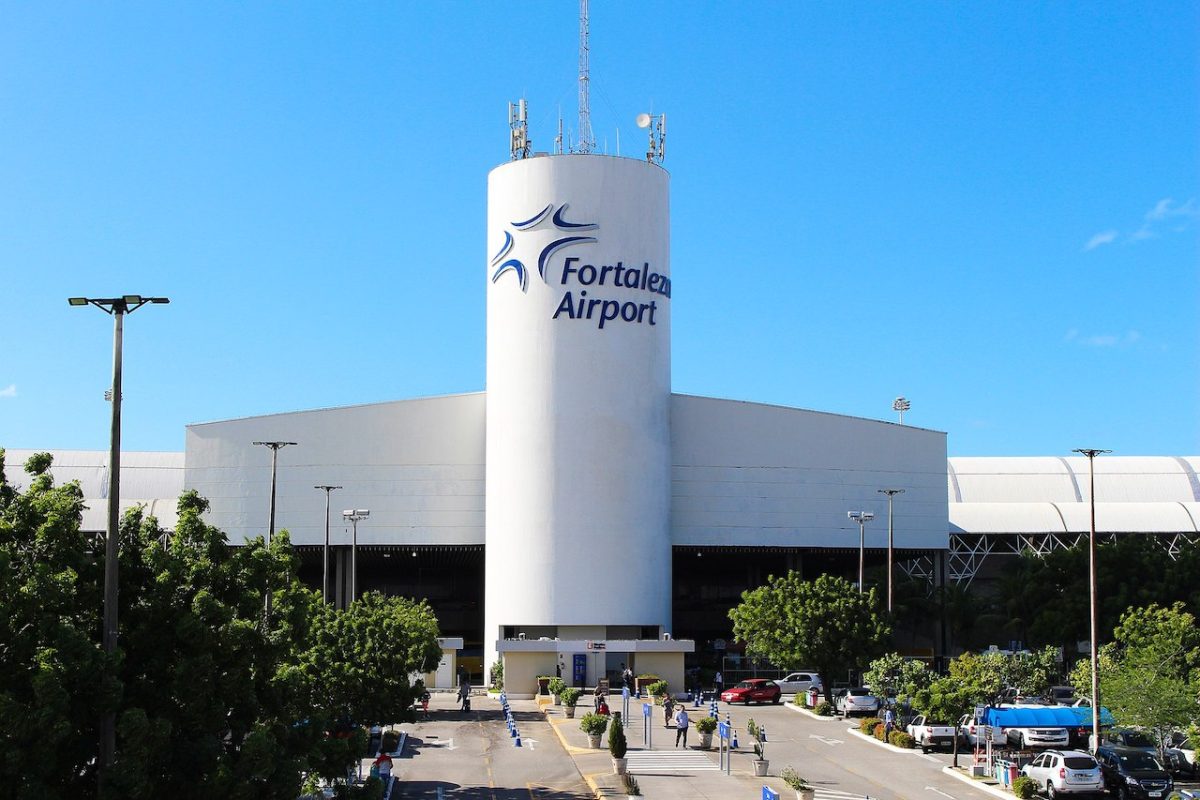
In March, city councillor Gabriel Biologia filed a lawsuit against Fraport AG, the Frankfurt-based company that operates Fortaleza International Airport. The suit alleges the firm is clearing forest land illegally to construct a logistics warehouse on airport grounds. What makes the case especially troubling is not just the scale of the destruction, but the way it happened. Environmental campaigners argue the project violates the original development permits and exploits "serious flaws" in Brazil's environmental licensing system.
How a Gateway City Lost Its Forest
Fortaleza draws travelers with its sandy beaches, rust-colored cliffs, sprawling dunes, and crystalline lagoons. It's the capital of Ceará state and the main entry point for visitors exploring Brazil's northeastern coast. The airport sits at the heart of the region's tourism and commerce infrastructure, making it a strategic location for warehouse expansion. But that same strategic importance is precisely why the forest clearing has become so contentious.
The deforestation is happening as groundwork for a logistics facility development. Yet according to local activists, both the forest clearance and the warehouse project breach the permissions originally granted during the airport concession process overseen by ANAC, Brazil's civil aviation authority. Rather than operating in the shadows, the project moved forward with building permits approved through official channels, raising uncomfortable questions about regulatory oversight.
Biologia has called the destruction "the biggest environmental crime" the city has seen in the last decade. Her lawsuit targets not only Fraport AG but also multiple regulatory agencies, seeking to hold everyone responsible for the damage accountable. If successful, the case could result in compensation of around 100 million Brazilian Reais, roughly €16.5 million.
What's at Stake Beyond the Headlines
The Atlantic Forest exists nowhere else on Earth. When it disappears, species vanish with it. Beyond the wildlife, the forest provides tangible services most travelers never think about: it regulates water cycles, prevents soil erosion, and contributes to the regional climate stability that makes Fortaleza's beaches so appealing. Destroy the forest, and you're not just erasing nature, you're undermining the environmental systems that support tourism, agriculture, and human life itself.
Hannah Lawrence, a spokesperson for climate campaign group Stay Grounded, frames the issue starkly: "Global corporations, hell-bent on profit, destroy local communities and the environment and put all our futures at risk. A few wealthy shareholders profit at the expense of communities like those in Fortaleza that bear the heavy burden."
This isn't Fraport's first environmental brush with the law. In 2015, Frankfurt residents and environmentalists clashed with the company over plans for a third terminal at the German city's airport. Opponents raised noise pollution concerns, and activists accused Fraport of inflating passenger growth forecasts to justify expansion. That case offers a preview of the company's approach to development: aggressive growth targets, sometimes questioned assumptions, and communities bearing the costs.
What Travelers Should Know
For visitors planning trips to northeastern Brazil, the lawsuit doesn't change how you access the region. Fortaleza International Airport continues operating normally. But the case does illuminate a broader tension in travel and tourism: the infrastructure that brings us to beautiful places sometimes destroys the environments we came to experience. The lagoons and dunes remain stunning, yet the forest that sustains the entire ecosystem is shrinking.
The legal battle ahead will determine whether corporations operating airport infrastructure face real consequences for environmental damage, or whether profit margins continue to trump ecological survival. For Fortaleza, the next decision could redefine what the city looks like for the next generation.