Spain woke up to a nightmare on Wednesday morning. Just before 9 am, two high-speed trains slammed into each other on the Madrid to Seville line, in the rural heart of Toledo province. The impact sent carriages off the tracks and down an embankment, leaving at least 30 people dead and dozens more injured. The toll, authorities warn, could still climb.
The crash happened between the towns of Mora, Orgaz, and Urda, a stretch of track that usually promises a smooth, swift journey south. Instead, it became the site of a second deadly rail disaster in less than a year. In December 2025, a train derailment in Adamuz killed 46 people. Now, Spain is once again counting the cost of a broken morning.
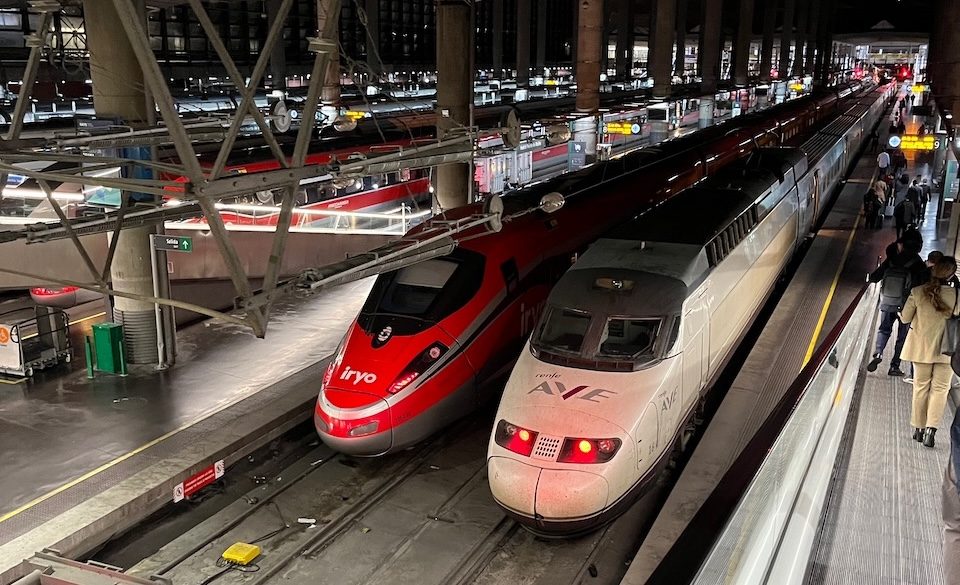
According to initial reports, the Renfe AVE train 2080, carrying 397 passengers, ran into the back of an Iryo train 7076, which had 146 passengers and one baby on board. That adds up to 544 souls on two trains that were never supposed to meet. One of the trains may have been stopped when the other struck, though investigators are still piecing together exactly what happened.
Passenger accounts paint a harrowing picture. One traveler, Miguel, told COPE Radio that he heard a "massive roar" that lasted ten seconds, and through the window he saw the wreckage of the other train. Emergency crews, including the Guardia Civil's mountain rescue unit and air support, swarmed the scene. Three carriages derailed, some tumbling off the embankment.
Spain's prime minister, Pedro Sánchez, expressed his shock and pledged full support to the victims. European Commission president Ursula von der Leyen said Europe mourns with Spain. Madrid's blood bank issued an urgent appeal for donations across all blood groups, a stark reminder of the human cost unfolding in real time.
For travelers, the immediate impact is clear: all high-speed services between Madrid and Andalusia are suspended until further notice. If you have a ticket on this route, check with Renfe or Iryo directly. Hotlines have been set up for those affected: 900 122 112 for general emergencies, 900 10 10 20 for Renfe, and 900 001 403 for Iryo.
This tragedy also casts a shadow over Europe's high-speed rail ambitions. Spain boasts the largest high-speed network on the continent, carrying 25 million passengers in 2024. But two fatal crashes in a year raise hard questions about safety protocols and maintenance. For rail enthusiasts, the dream of seamless cross-border travel, like the proposed London to Paris high-speed link, now feels more complicated. And for those planning European rail adventures, it's a sobering reminder that even the most modern systems can fail.
The investigation is ongoing. Officials have not yet confirmed the cause, but the suspension of services means travelers heading to Seville, Córdoba, or Málaga will need to find alternative plans. Buses and regional trains are being arranged, but expect delays and crowded stations. If you're in the area, avoid non-essential travel and follow updates from the Guardia Civil and Renfe.
Our hearts go out to the victims and their families. This is a moment for Spain to grieve, but also to demand answers. The death toll may rise, and the nation is bracing for more grim news. For now, the priority is rescue, recovery, and the long road to understanding how two high-speed trains could collide on a line designed for safety.