Morocco is not just preparing to host the 2030 FIFA World Cup alongside Portugal and Spain. It is building an entire hospitality infrastructure to match the moment. The country has committed to adding 60,000 new hotel beds, a 20 percent boost to its current capacity, before kickoff in 2030.
Tourism Minister Fatim-Zahra Ammor framed the push plainly: the World Cup is "an accelerator, not an end in itself." That distinction matters. Morocco is not treating this as a four-week event. Officials are using the tournament as a launching pad for a fundamental transformation of the nation's tourism economy.
The Numbers Are Staggering
Morocco has already moved fast. In just four years, the country added 45,000 hotel beds. By 2025, it welcomed nearly 20 million visitors, making it Africa's most-visited destination. The central bank forecasts tourism revenues will hit 161 billion dirhams in 2027, up from 138 billion dirhams in 2025. That is growth of more than 16 percent in two years.
The government has earmarked over 190 billion dirhams (roughly 45 billion euros) for infrastructure across the board. This covers expanded rail, road, and air connections, plus new sports venues and supporting infrastructure. The flagship project is the Hassan 2 Stadium in Casablanca, which will hold 115,000 people when complete, making it the world's largest football stadium. The stadium is one of three candidates to host the 2030 World Cup final.
Why This Matters Beyond Sports
Morocco's football team reached the World Cup semi-finals in 2022, a historic first for any African or Arab nation. That run brought global attention. The 2030 tournament is the moment to cash in on that momentum. Ammor told Reuters the goal is to attract 26 million visitors by 2030, reaching deeper into Chinese, Middle Eastern, and US source markets through improved flight connectivity.
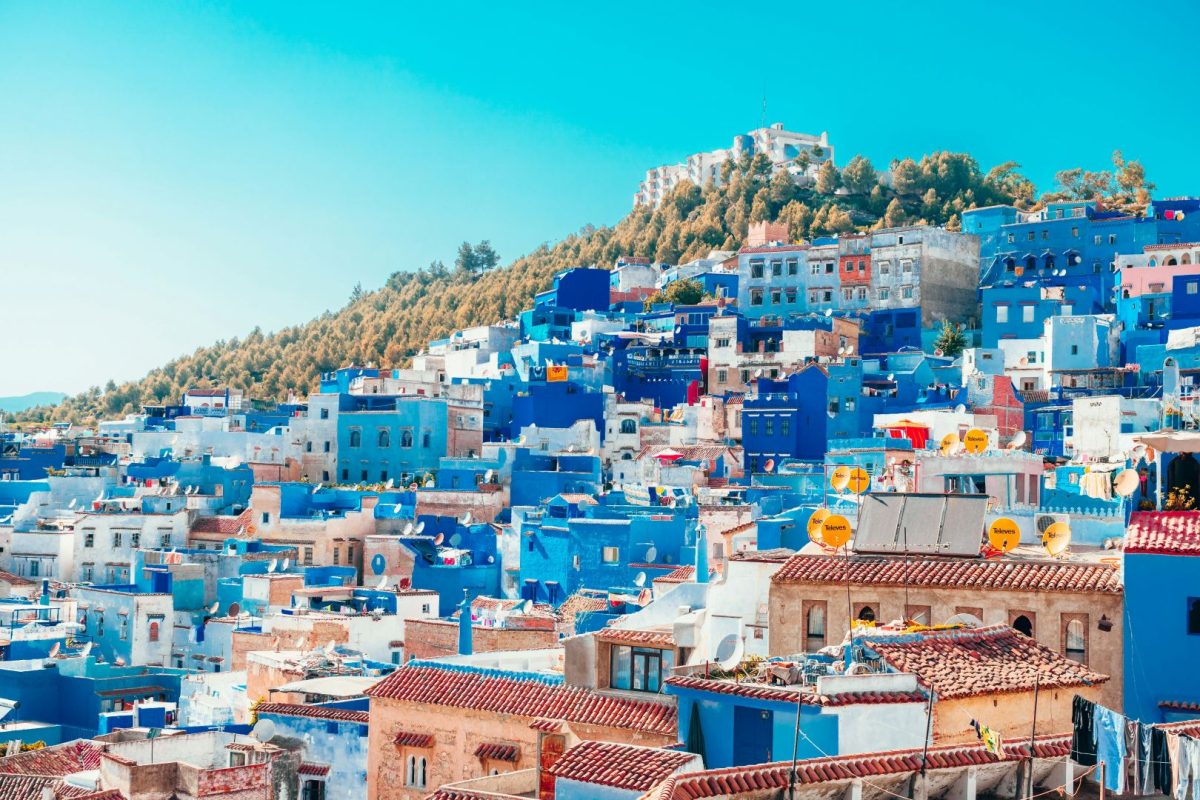
But officials are thinking harder than just packing stadiums. They want to spread visitors beyond the well-trodden path of Agadir and Marrakech. Rabat, the capital, has museums and historic monuments but is often dismissed as a quiet diplomatic hub rather than a vibrant travel destination. As overtourism pressures mount in Europe, Morocco's push to build a more distributed tourism footprint across multiple cities feels strategically sound.
Rabat will benefit from expanded sports infrastructure, positioning it as a major tournament host city. Tourism chiefs believe the international buzz from hosting matches will translate into sustained visitor growth long after the final whistle blows.
Sustainability as a Strategy, Not an Afterthought
This is where Morocco's approach differs from typical tournament-hosting playbooks. Ammor emphasized that "we need to make investments that create lasting value for Moroccan tourism." That is code for: do not build vanity projects that sit empty after 2030.
The investments in rail, roads, and air routes are meant to work for ordinary travelers, not just World Cup spectators. Better airport capacity and train connections benefit backpackers, business travelers, and families. A 115,000-seat stadium in Casablanca becomes a venue for concerts, conferences, and African Cup of Nations tournaments. Hotels built now will host visitors for years to come.
Morocco already occupies a unique position in global travel. It sits at the intersection of Europe, Africa, and the Mediterranean, with a blend of culture, geography, and food that few destinations match. Neighboring Portugal has seen tourism momentum accelerate, and Morocco is moving to capture some of that regional energy.
The next four years will reveal whether the country can execute on this vision. If they do, 2030 will mark not the end of Morocco's tourism story but the beginning of a new chapter. The hotel beds are just the hardware. The real question is whether the roads, airports, and restaurants will be ready when the world arrives.