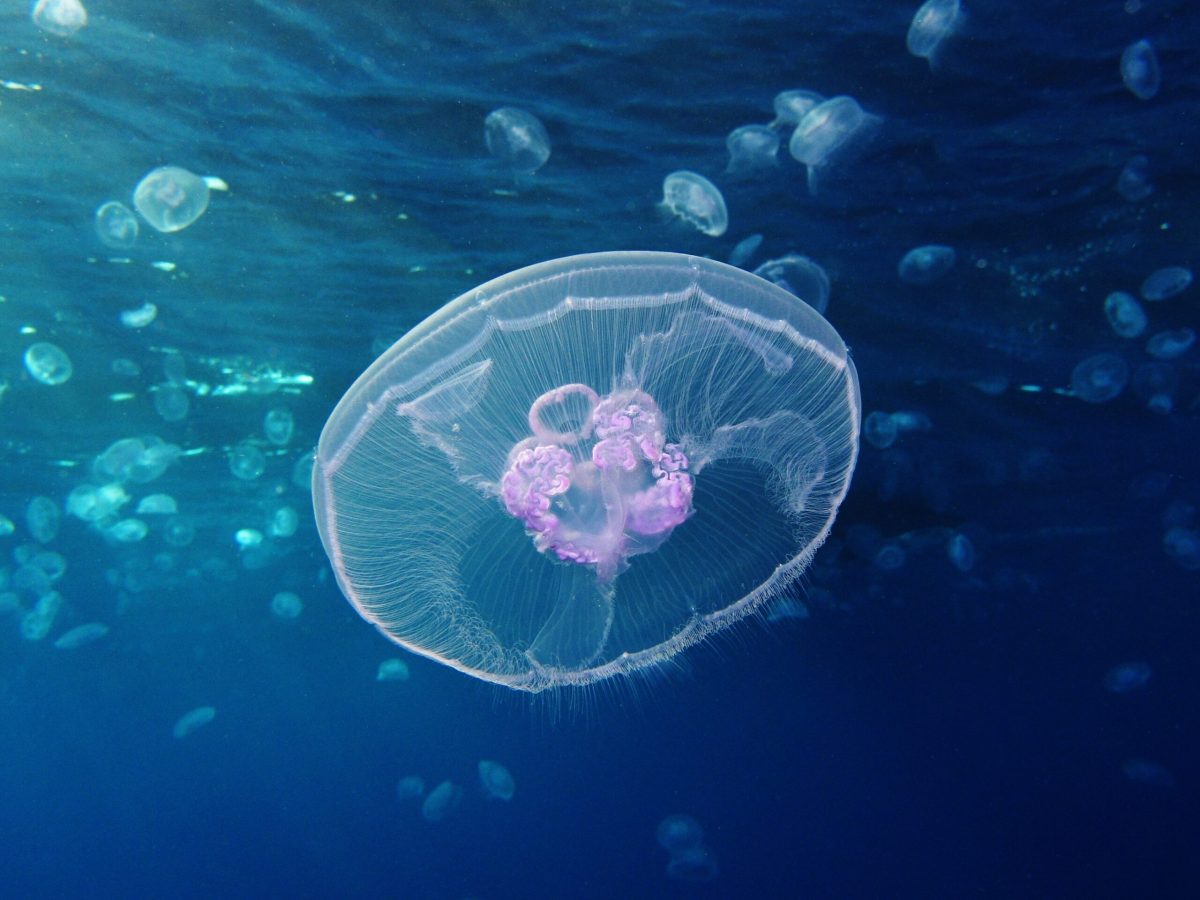
Paradise has teeth sometimes. That's the lesson Phuket beachgoers are learning this season after two dozen moon jellyfish showed up uninvited along Ko Racha Yai's shoreline near Siam Bay. Local marine authorities didn't mince words: stay out of the water near them, and definitely don't touch them.
The Department of Marine and Coastal Resources confirmed the culprits as moon jellyfish, or Aurelia sp, a species that regularly drifts through Thai waters. Here's the thing about moon jellyfish though: they're not the scary predators of ocean lore. Their venom is genuinely mild, the kind of sting that won't ruin your life. But it will definitely ruin your afternoon. Contact leaves skin irritation, red rashes, or that unpleasant burning sensation that lingers long after you've dried off.
When you're planning a trip to Thailand, jellyfish encounters probably weren't on your radar. Yet these creatures appear in Thai coastal zones regularly as ocean conditions shift. Warm currents, changing salinity, and seasonal weather patterns push them closer to shore than usual. Authorities haven't pinned down exactly why this bloom happened now, but they're treating it seriously.
What Happens If You Get Stung
Most moon jellyfish stings cause nothing worse than mild discomfort that fades within hours. But reactions vary person to person. Some travelers might experience persistent pain or swelling that demands actual medical care. Allergic reactions, though uncommon, are possible. The real danger isn't the jellyfish itself but ignoring your body's warning signs.
If you wade into an encounter, the response needs to be quick and methodical:
- Get out of the water immediately if pain becomes sharp or breathing feels strange. Panic in the ocean kills faster than any jellyfish does.
- Rinse the area with vinegar if available, or use seawater as backup. Avoid fresh water entirely, as it can trigger stinging cells to fire again.
- Don't rub or massage the area. Stinging cells cling to skin like stubborn glitter, and friction only makes them angrier.
- Watch yourself for at least an hour. Delayed reactions sneak up on people who think they've dodged the bullet.
- Call 1669 for emergency services if you develop breathing problems, chest pain, or extreme swelling. Don't wait.
- Start CPR if someone loses consciousness before help arrives.
Why This Matters for Your Phuket Plans
Phuket pulls in massive tourist crowds year-round, and beaches here genuinely are spectacular. The water clarity is beautiful. The marine life is genuine magic when you're observing it safely. But natural hazards come with natural beauty, and this warning deserves your respect.
Authorities recommend reporting jellyfish sightings to local beach authorities so they can track patterns and keep swimmers informed. If you spot them while swimming or snorkeling, exit the water calmly and alert a lifeguard. Don't assume they're gone just because the shore looks clear; ocean conditions shift constantly.
The good news: moon jellyfish stings are manageable with basic first aid. Most swimmers recover completely within days. The bad news: even a mild sting can knock out a day or two of your vacation, and hospital visits aren't how anyone wants to spend their time in Thailand. Avoidance is genuinely the smartest strategy.
Check current conditions with local beach authorities before heading into the water. Some beaches in the area may have temporary closures or advisories. Phuket's waters remain mostly safe, but awareness beats assumptions every single time. Your holiday will be better when you're informed, alert, and keeping your skin intact.