Mexico just faced a serious jolt. After federal forces killed a major drug cartel leader, Jalisco state descended into violence that caught thousands of travelers off guard. Highways went dark with makeshift blockades. Armed groups hijacked vehicles and set them ablaze. Cruise ships were diverted. Planes stopped flying. The fallout has left many wondering if Mexico is still a place they should visit.
Here's what actually happened: On February 22, organized crime groups retaliated against the federal law enforcement operation by creating chaos across multiple cities, including Guadalajara and Puerto Vallarta. Authorities immediately urged residents and visitors to shelter indoors and avoid unnecessary travel. The situation was serious enough that Canada, the UK, and the US updated their travel warnings within hours.
Which Areas Are Actually Affected
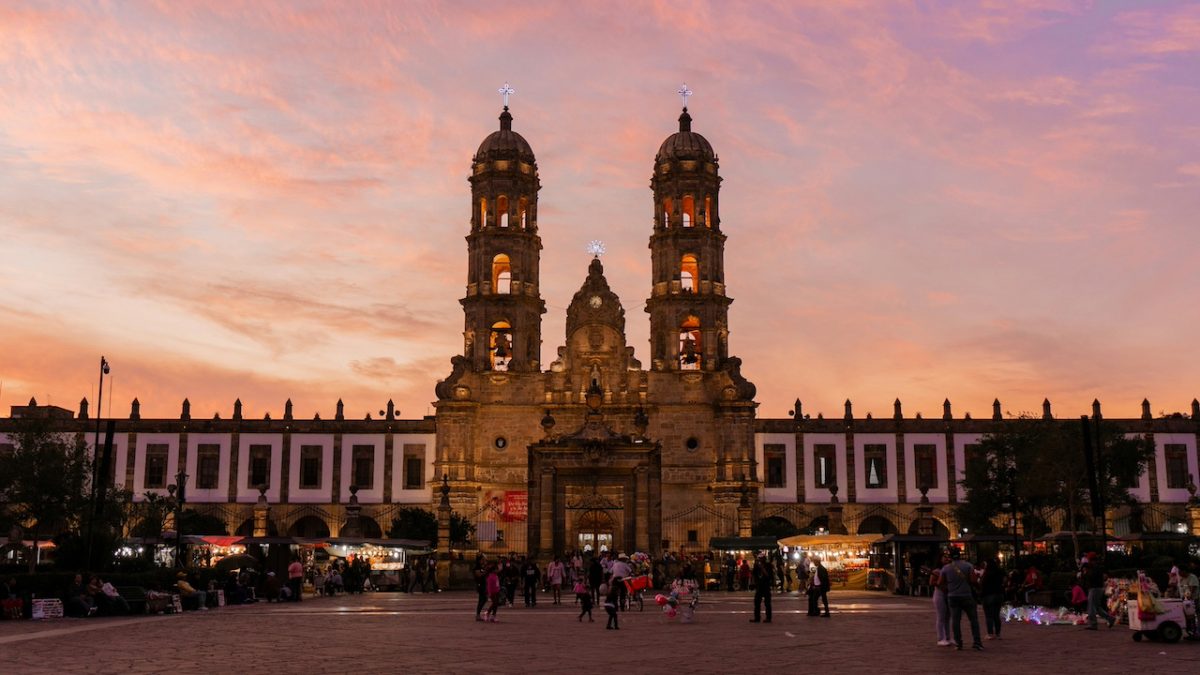
The violent response has been concentrated in Jalisco, a state that most travelers associate with tequila distilleries, mariachi birthplaces, and the stunning Pacific beaches of Puerto Vallarta. That's the bad news. The good news: most of Mexico's top resort destinations are nowhere near the trouble zone.
US State Department officials have confirmed that security situations have normalized across dozens of regions, including:
- Quintana Roo (Cancun, Playa del Carmen, Cozumel, Tulum)
- Baja California (Tijuana, Ensenada)
- Sinaloa, Oaxaca, Veracruz, Puebla, Guanajuato, and many others
Many of Mexico's major resort clusters sit more than 1,000 kilometers away from the epicenter. Unless your plans specifically include Guadalajara or Puerto Vallarta, you're likely looking at destinations operating normally.
What Happened at the Airports
Puerto Vallarta International Airport ground most operations to a halt on February 23. All international flights and the majority of domestic connections were suspended. The National Guard and Ministry of National Defense moved in to secure the facility, and by February 24, Air Canada announced it would resume full service to Puerto Vallarta the following day, with flights to Guadalajara resuming on February 25. WestJet and Air Transat followed suit.
American Airlines, Delta, and United all waived change fees for affected passengers. Other airports throughout Mexico continued operating normally, though some experienced higher-than-usual demand from travelers rerouted away from Jalisco.
Can You Still Travel to Mexico
No total travel ban exists. Official guidance stops short of a flat embargo unless your specific plans involve the directly affected area. If you're booked to go to Cancun, Los Cabos, Mexico City, or Oaxaca, you can still travel. If your trip centers on Jalisco, you'll want to check your booking terms, insurance policy, and airline options immediately.
Most major carriers are offering flexibility, but the details depend on who you booked with and what type of ticket you purchased. Check your confirmation or call directly rather than assuming automatic refunds.
The Bigger Picture
Officials from Canada and the US are watching closely. Mexico will co-host the 2026 FIFA Men's World Cup alongside the two countries, with Guadalajara scheduled to host four matches. How authorities respond to the current instability matters far beyond tourism statistics.
The reality is that large countries sometimes experience localized violence. When it happens, the travel industry adapts quickly. Airlines resume routes within days. Airports restore security measures. Travelers make smarter choices about timing and destination selection.
Mexico remains one of the world's most visited countries. A temporary crisis in one state doesn't erase the appeal of its museums, beaches, food culture, and archaeology. But right now, common sense means checking current advisories before booking anything tied to Jalisco, and choosing alternative destinations if you were considering that region specifically.