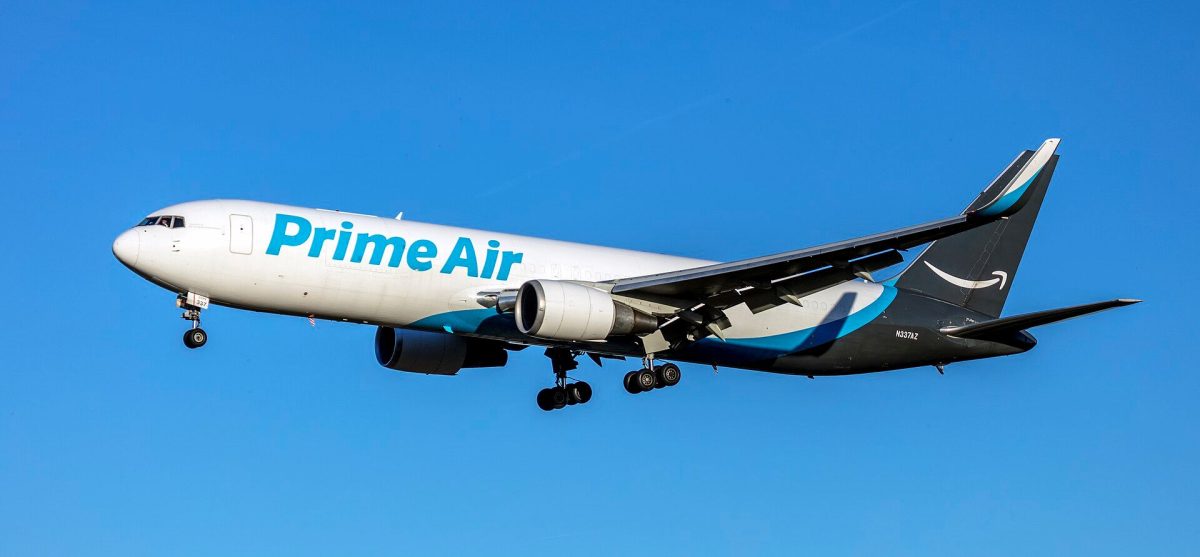
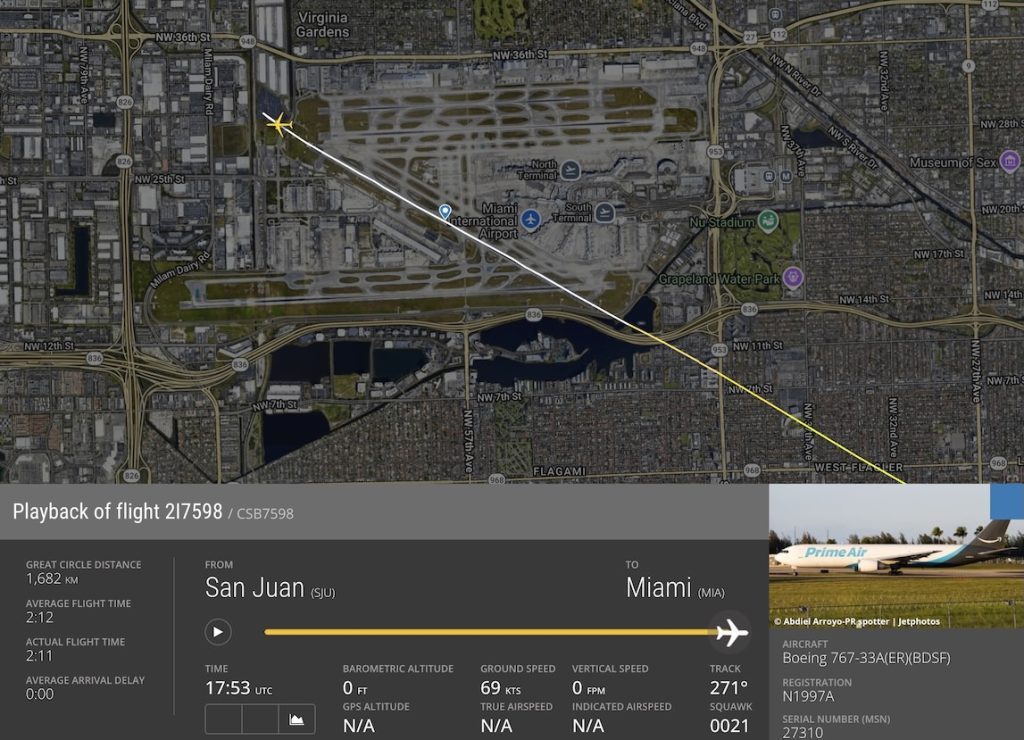
Sunday, September 6, 2026 started like any other busy Labor Day weekend at Miami International Airport. Then a Boeing 767 cargo plane, arriving from Puerto Rico, didn't stop. Traveling at over 200 kilometers per hour, the aircraft plowed straight past the end of the 2.7-kilometer runway and into a nearby parking lot, bursting into flames on impact. Five people died. At least five more were injured. Nearly 450 flights were cancelled or delayed. Tens of thousands of travelers found their holiday plans upended.
The aircraft was operated by 21 Air, a freight company specializing in cargo runs between Mexico and the United States, carrying Amazon packages bound for the company's Miami warehouse. No mayday call was issued before the crash. No debris blocked the runway. Initial investigations found no obvious mechanical failure, which is precisely what made the incident so unsettling for aviation safety experts watching from afar.
When a Plane Can't Stop
What went wrong? Meteorologists and flight specialists immediately zeroed in on weather conditions. Miami was battered by storms and gusty winds that afternoon. One key detail caught investigators' attention: a sudden shift in wind direction that likely created a powerful tailwind just as the pilots were attempting to decelerate. A tailwind acts like an invisible hand pushing a plane forward, making it exponentially harder to slow down. With the aircraft still moving at dangerous speeds, the runway ended, and physics took over.
The 32-year-old plane's condition, the pilots' training and decisions, airport infrastructure, and those unpredictable weather patterns will all factor into the ongoing investigation by the National Transportation Safety Board and Federal Aviation Administration. But as details emerged, another conversation began brewing: why didn't Miami International have equipment that could have stopped this crash before it became tragedy?
The Missing Safety Net
At the end of many runways across the world sits something called an EMAS system, short for Engineered Material Arrestor System. Think of it as a specialized crash pad, engineered to absorb the energy of a careening aircraft and bring it to a safe stop. It's a proven technology. It works. Yet out of 5,146 public-use airports in the United States, only 70 have installed these systems. That's roughly 1.4 percent. Miami International is not among them.
According to federal guidelines, Miami's runway configuration meets standard safety specifications. The airport isn't boxed in by water or major highways that would force regulators to mandate EMAS installation. The airport's operators followed the rules. But here's where rules and reality diverge: Miami International sits in one of America's most congested urban areas, surrounded by dense buildings, roads carrying high-speed traffic, and vulnerable infrastructure. Critics are now asking whether following minimum federal standards is enough when an airport's surroundings demand something more.
The irony sits heavy. While airlines invest in cutting-edge technology like satellite WiFi and advanced navigation systems, some of America's most critical airports still lack basic safety equipment that could prevent catastrophic accidents. The gap isn't new, and it's not unique to Miami. It reflects a broader reality about aviation safety in the United States: protection is inconsistent, dependent on geography, federal guidelines, and budgets rather than risk alone.
Ripple Effects for Travelers
For the 450-plus flights affected, the crash's fallout extended far beyond Sunday evening. Two runways remained closed on Monday. Airport operations didn't return to normal for days. Travelers with tight connections missed flights, families were separated, and holiday plans dissolved into rebooking chaos and hotel searches. During one of the year's busiest travel weekends, Miami became a bottleneck affecting routes across Florida and the Southeast.
This is what travel disruption looks like when airport infrastructure fails. Unlike border system failures that leave passengers queued for hours, a runway incident shuts down an entire facility. Every flight booked into Miami gets cancelled. Every passenger holding a connecting flight through the airport finds their journey in limbo.
The investigation will take months to complete. Safety board officials will pull apart the wreckage, analyze flight data, interview pilots, and examine weather records in exhaustive detail. But for travelers and safety advocates, the bigger question looms already: how many other airports are one bad weather event away from a similar disaster? How many runways lack the equipment that could have prevented this tragedy? And who decides whether following minimum federal standards is truly enough?