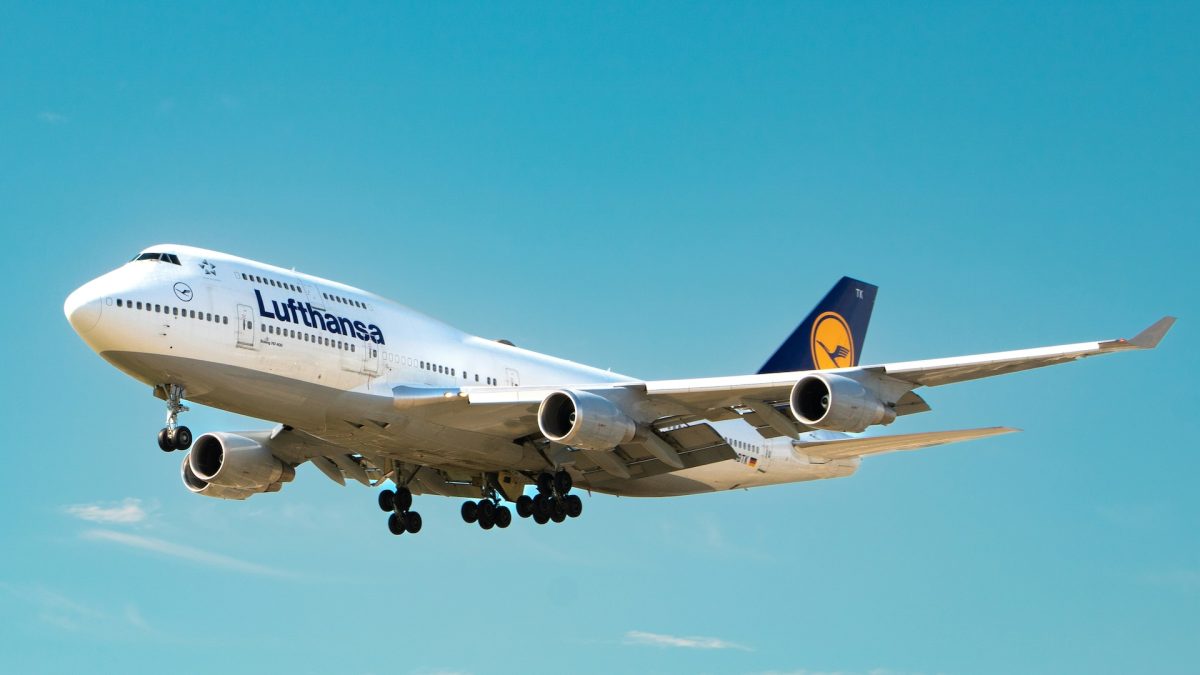
Lufthansa Group threw another wrench into Middle East travel plans this week, announcing that all flights to and from Tel Aviv's Ben Gurion Airport will stay grounded until April 2, 2026. The suspension covers not just the airline's flagship carrier but its entire stable: Lufthansa, SWISS, Austrian Airlines, Brussels Airlines, Eurowings, and ITA Airways.
The decision stems from an evolving security situation in the region and persistent airspace restrictions. Back on February 28, Israel closed its airspace entirely after a joint US-Israeli strike on Iranian targets sent regional tensions through the roof. That sparked a cascade of flight cancellations across global carriers as governments scrambled to advise citizens on safety.
While Israel has since reopened its airspace for limited domestic operations, international carriers remain deeply cautious. The political climate remains volatile, and airlines aren't taking chances with passenger safety or operational risk. The fallout hits harder than you might think: Brussels Airlines' Tel Aviv route was a lifeline for business travelers, diplomats, and expats commuting between Belgium and Israel. That's now gone, at least until spring.
What This Means If You're Booked
Passengers caught in the suspension have two choices. Lufthansa is offering flexible rebooking on any available flight or a full refund. Travel management companies are steering people toward alternative routing through hub cities like Athens or Istanbul, which have managed to maintain limited connectivity to Israel throughout this mess.
The Brussels-Tel Aviv connection has been particularly brutal for frequent travelers. Business trips evaporated overnight. Diplomats scrambled for alternatives. The disruption exposes just how fragile aviation networks become when regional politics destabilize. For anyone with a trip planned through late March, expect to either rebook substantially or cancel entirely.
The Wider Middle East Meltdown
Tel Aviv isn't the only casualty in Lufthansa's revised schedule. The airline group has suspended flights to Dubai, Abu Dhabi, Dammam, Amman, and Erbil until at least March 15. Beirut operations stay suspended through March 28. Tehran flights remain off the table until April 30. Even so, some routes survive: Lufthansa and ITA Airways continue flying to Riyadh, while Eurowings maintains Jeddah service.
This sprawling suspension reflects how interconnected aviation is in the region. One conflict zone touches dozens of routes. Airlines can't just accept isolated airspace closures anymore; they have to reweight entire regional strategies. For travelers, it means checking your specific route constantly. Yesterday's promising connection might vanish by tomorrow.
The broader travel sector faces mounting pressure too. Tourism analysts warn that prolonged closures could cost the region between 23 and 38 million visitors and up to $56 billion in spending during 2026. Hotels are feeling it. Tour operators are hemorrhaging bookings. The economic shockwave extends far beyond airline cabins.
For now, Lufthansa and its peers are pledging to monitor conditions closely and reassess regularly. When international service resumes likely depends on two things: real improvements in regional stability and actual airspace access being restored. Neither looks imminent. Other carriers face similar headwinds across the Middle East network, so expect more announcements as the situation develops.
If you're dreaming of a Middle East trip, patience is your only friend right now. Keep your booking flexible, monitor official airline updates weekly, and consider pivoting to destinations outside the conflict zone until this cools down.