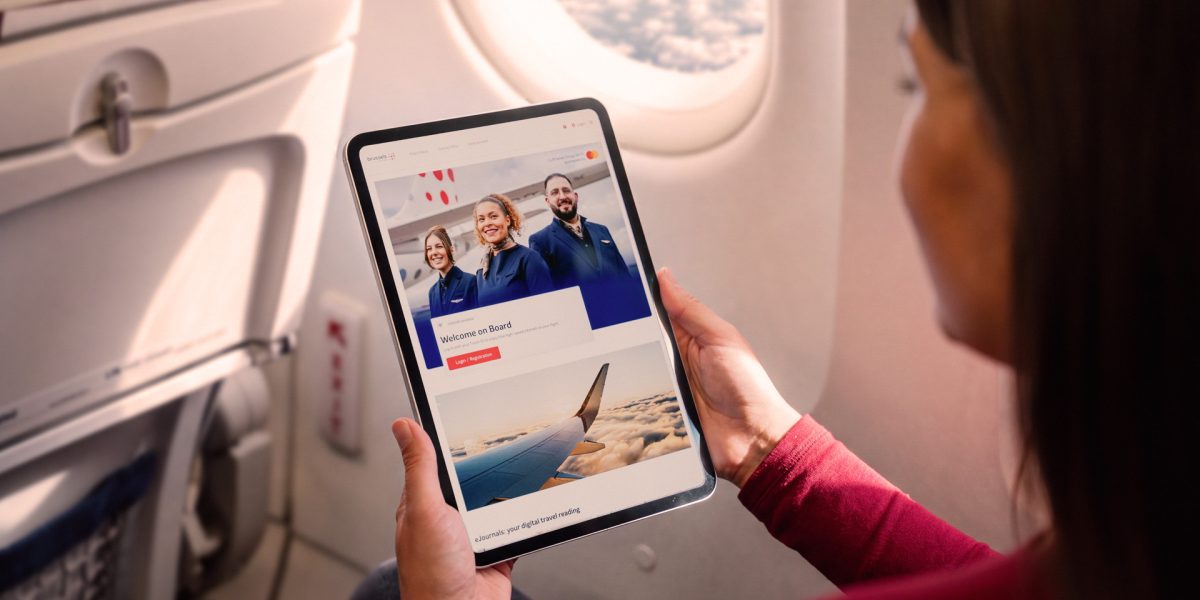
Forget the grainy, overpriced inflight internet that makes you nostalgic for dial-up. Brussels Airlines just flipped the switch on free Starlink Wi-Fi, and the first passengers to try it were on a flight from Brussels to Copenhagen on 9 November. The Airbus A320neo, registered OO-SBA, was cruising at 12,000 meters when the airline sent its press release from the sky, a neat trick that proved the connection was already working.
The service is part of a bigger push by the Lufthansa Group to wire up around 850 aircraft. Brussels Airlines is among the first carriers in the program, alongside Lufthansa, SWISS, and Austrian Airlines. The Belgian carrier plans to equip 15 aircraft by the first half of 2027 before rolling it out to the rest of its fleet. ITA Airways, Edelweiss, Discover Airlines, Air Dolomiti, Lufthansa City Airlines, and Eurowings are all due to follow.
What You Get at 12,000 Meters
Starlink uses a constellation of low Earth orbit satellites to deliver speeds that can handle streaming a film or editing a shared document in real time. Brussels Airlines says that in some cases, passengers might get a faster connection in the air than they do at home or at work. That is a bold claim, but early users on the Copenhagen flight seemed impressed.
To use the Wi-Fi, you need a Lufthansa Group Travel ID or a Miles & More account. Both are free to create, so the service is effectively open to everyone. Once connected, you can stream music and videos as long as you wear headphones. But there are rules. Broadcasting a live stream from the aircraft is prohibited, and voice and video calls are banned. You can listen to a meeting or webinar through your headphones, but you cannot talk back. The airline says these rules come from passenger surveys that consistently asked for quieter cabins.
A Quiet Cabin Is a Happy Cabin
That last point matters. The Lufthansa Group has been careful to balance connectivity with comfort. Dieter Vranckx, chairman of Brussels Airlines and Lufthansa Group's chief commercial officer, called the launch a way to make high-speed internet an integral part of the travel experience across all travel classes. But he also stressed that the rules reflect what passengers actually want, which is a peaceful flight where you can work or watch a movie without someone's video call interrupting your nap.
Mastercard is sponsoring the service, extending its work with the group on the existing FlyNet Wi-Fi offering. That sponsorship is likely why the service is free, at least for now. For travelers, it means one less thing to budget for on a flight.
The Race to Wire the Skies
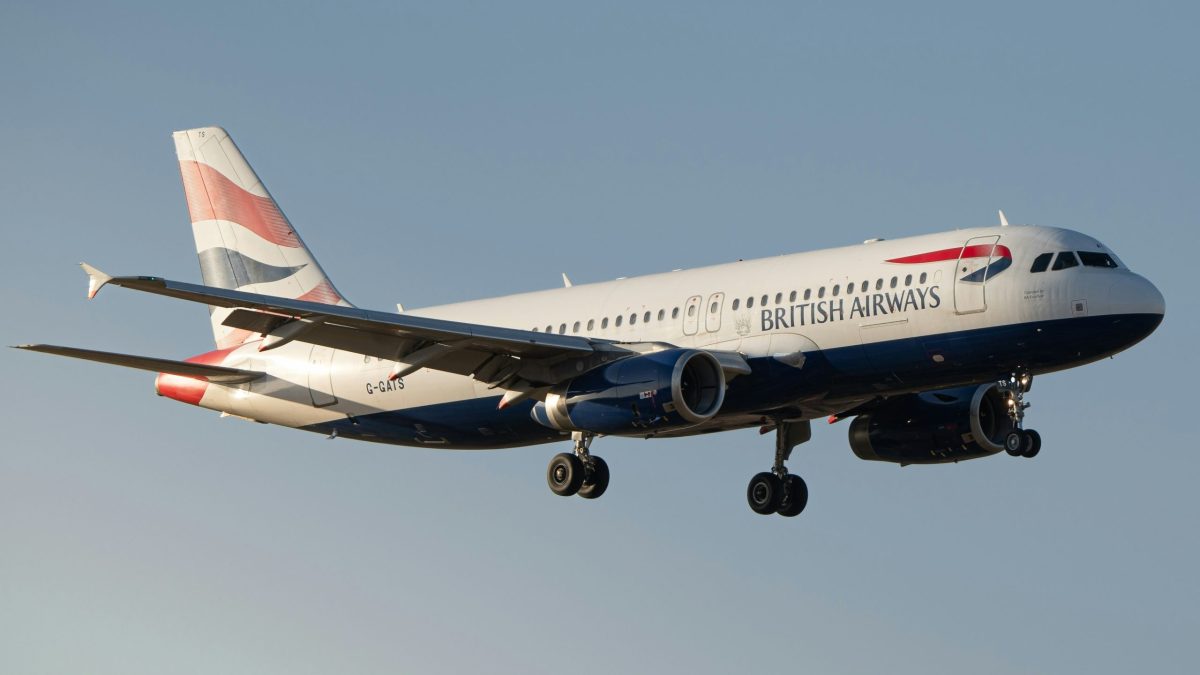
Brussels Airlines is not the first European carrier to embrace Starlink. Latvia's airBaltic became the first in February 2025, and SAS followed in March 2026 on its Airbus A320 fleet. British Airways also flew its first Starlink-equipped aircraft that same month. The technology is spreading fast, and it is changing what passengers expect from a flight.
If you are planning a trip to Copenhagen, this is a good time to book. The Danish capital is a short hop from Brussels, and now you can spend the flight catching up on work or streaming a film without hunting for a Wi-Fi code or paying a fee. For more on how airlines are rethinking the flying experience, check out our story on Singapore Airlines spending €1.4 billion to redefine luxury flying. And if you are curious about the broader push for comfort, read how airlines are betting big on comfort.
The rollout is part of a wider Lufthansa Group plan that should be complete by 2029, covering both existing aircraft and new deliveries. For now, the free Wi-Fi is a welcome perk on Brussels Airlines, and it is likely to spread quickly across the group's network. The service is free for all passengers, but you need to accept the terms of use before connecting. That is a small price to pay for a connection that might just be faster than the one in your living room.