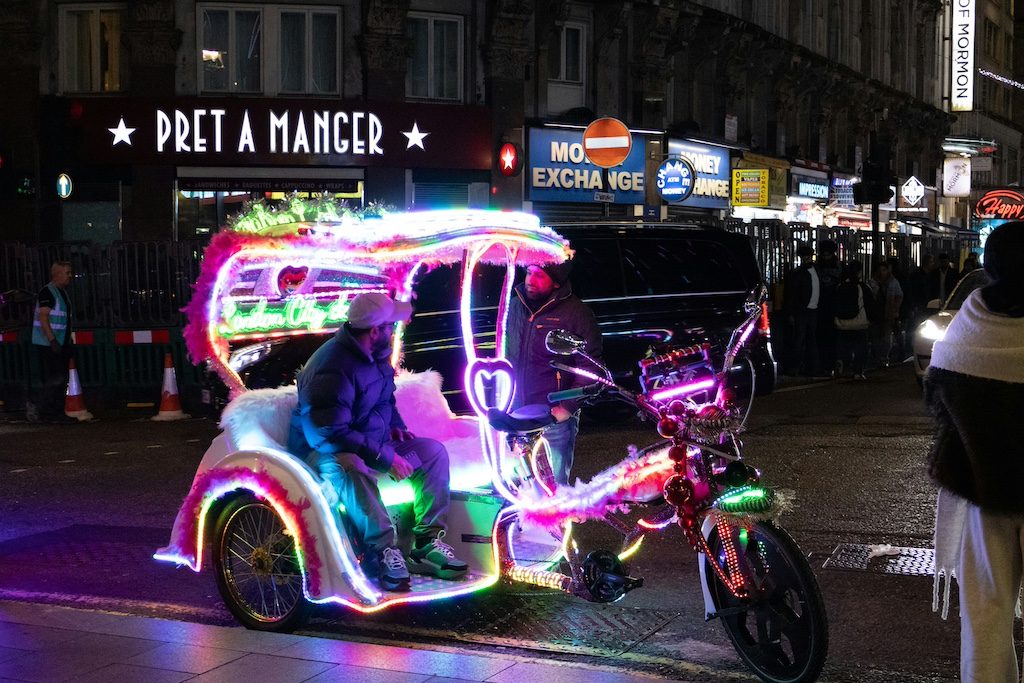
Picture this: you're exploring London's vibrant streets, and a cheerful pedicab driver offers you a scenic tour. Sounds charming, right? Until the ride ends and you're hit with an outrageous fare that wasn't mentioned upfront. For too long, this has been the reality for countless visitors and locals alike.
The good news? London is finally bringing order to its rickshaw scene. Starting October 30, 2026, the city's pedicabs will operate under the first-ever formal rulebook. Transport for London has spent years listening to complaints about unannounced charges, blaring music, and vehicles that probably shouldn't be on the road. The response is a six-point regulatory framework designed to protect both passengers and drivers while preserving what makes these quirky rides fun.
What's Actually Changing
Mayor Sadiq Khan put it plainly: pedicabs should be a delightful way to see London, not a potential rip-off waiting to happen. The new rules target the exact pain points travelers and locals have complained about for years.
Driver Requirements and Licensing
Starting March 9, 2026, rickshaw operators can apply for official licenses. A vehicle license costs £114, while a one-year driver's license runs £100. Before taking passengers, drivers must pass an enhanced background check (DBS), hold a valid driving license or pass a theory test, demonstrate solid English language skills, and meet basic medical standards. They'll also need to understand safety protocols and equality regulations. Think of it as raising the bar for professionalism.
Vehicle Safety Standards
The pedicabs themselves will face regular inspections. Each vehicle needs to be road legal, carry a valid pedicab identifier, and pass safety checks on a routine basis. No more sketchy three-wheelers held together with hope and duct tape.
Fare Transparency at Last
Here's what passengers have been waiting for: fixed fare caps. The proposed structure allows a base fare of up to £5, then £1 per minute. If you're riding with others, expect an additional £3 per extra passenger. Transport for London will officially confirm these rates at a February 25, 2026 meeting, but the framework is already in place. No more haggling or surprises at journey's end.
No More Loud Blaring Soundtracks
One of the quirkier complaints about London's pedicabs has been the aggressive music blasting from speakers. As of October 30, 2026, that's banned. External audio systems will no longer be permitted, giving residents and fellow travelers some peace.
Operational Accountability
Pedicab operators must maintain a London-based premises with proper fire risk assessments, staff background checks, and detailed record-keeping. This ensures there's an actual business entity behind each rickshaw, not just someone with a vehicle and ambiguous intentions.
Why This Matters for Travelers
If you've planned a London trip and thought about hopping into a pedicab for a quirky sightseeing experience, this regulation makes that choice safer and more transparent. You'll know exactly what you're paying before you sit down. The drivers operating legally will be properly vetted and trained. The vehicles will be maintained to safety standards. It sounds basic, but it hasn't always been that way.
The timeline gives businesses a grace period to comply. Rules become mandatory on October 30, 2026, but operators can start the licensing process immediately. This means the transition won't be chaotic, and travelers visiting after that date will experience a much more professional rickshaw scene.
London's night-time economy will benefit too. These regulated pedicabs can now be a reliable, family-friendly option for getting around the city after dark, whether you're heading from a theater to dinner or exploring neighborhoods on a weekend evening. The city is essentially legitimizing a transport option that was always popular but never properly managed.