When the jury at the 13th Creative Tourism Awards announced Ljubljana as Europe's Best Creative City Destination for 2026, the Slovenian capital beat out 223 candidates from 28 countries. The win wasn't a fluke. It reflects a deliberate strategy the city has been building for years: turning creativity into the backbone of urban life, not just a marketing slogan.
What impressed judges most was how Ljubljana actually walks the walk. The city hasn't simply hired consultants to rebrand itself. Instead, it's woven local artists, designers, architects, musicians, and craftspeople into every layer of how it functions. These creative professionals shape the tourism offerings, the cultural calendar, and ultimately what it feels like to move through the city. That's a genuinely different approach than most European capitals take.
Where Creativity Meets Public Space
Head to Center Rog, a converted bicycle factory near the Ljubljanica River, and you'll see this philosophy in action. Rather than dust it off and turn it into a museum, the city transformed it into a living workshop. Artists have studios there. Visitors can drop in for hands-on craft sessions and learn traditional skills from people who actually practice them daily. It's the opposite of passive tourism.
LUV Fest is another example worth planning around. This annual celebration floods the city with concerts, theatre, opera, dance, and visual art. Streets and squares become galleries. Themed walks connect visitors directly with the creative community. It's the kind of event that reminds you why a city feels alive.
Beyond marquee events, cultural neighborhoods like Šiška and Soteska operate year-round. They're not artificially designed zones. They're actual working spaces where galleries, studios, and festivals coexist with cafés and small venues where local creators present new work. Tourists who venture into these neighborhoods encounter the city as it really functions, not as a postcard version of itself.
A City Built for People, Not Cars
Ljubljana's creativity extends beyond art and into how the city actually moves. Over a decade ago, it made a radical choice: prioritize pedestrians and cyclists over motorized traffic. The results shaped one of Europe's genuinely liveable capitals. The 17-hectare pedestrian zone, the sprawling cycling network, and the BicikeLJ bike-sharing program make it effortless to explore without a car. More than 10,000 bicycle parking spaces, regular cycling events, and the closure of Slovenska cesta to vehicles have slashed carbon emissions and noise while transforming public spaces into genuine gathering spots.
This commitment to sustainability and livability reflects the same values that drove the creative tourism strategy. It's not separate from the award. It's all connected.
The Historic Center Still Matters
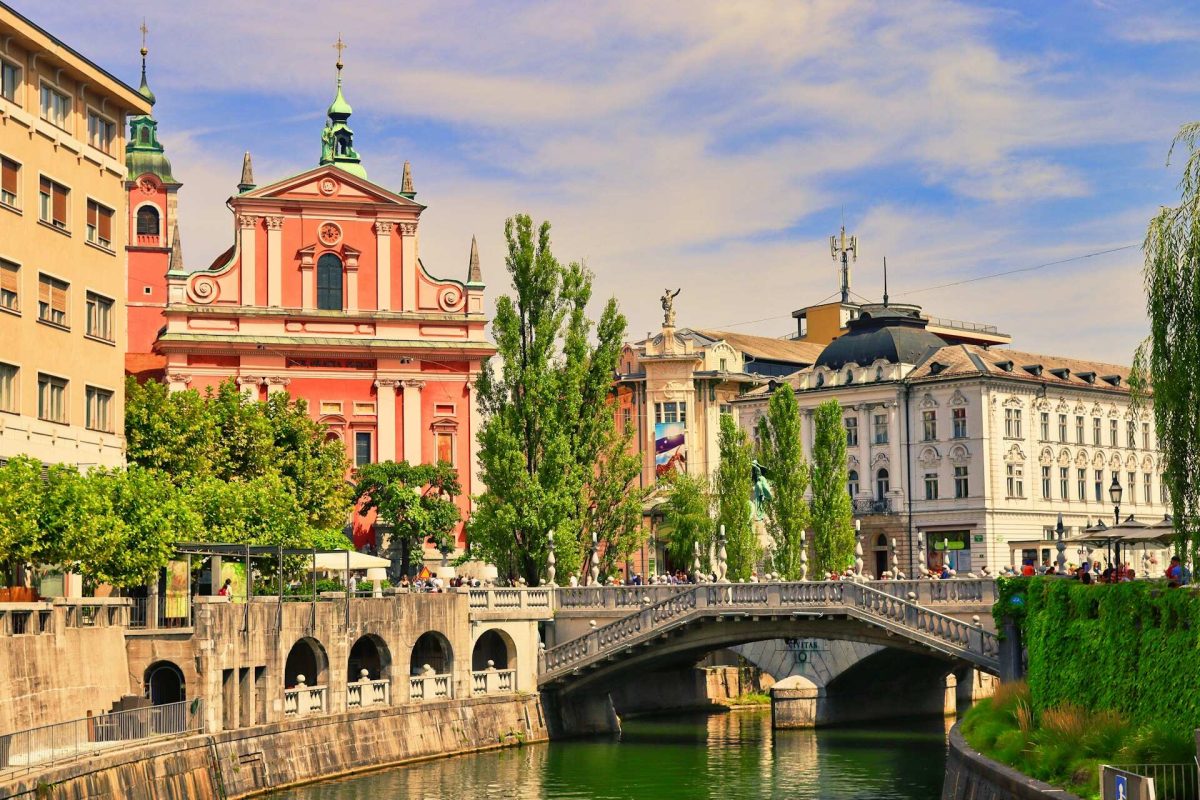
Creativity isn't the only reason to visit. The Old Town, nestled along the Ljubljanica River, has its own gravity. Colorful buildings, lively cafés, and picturesque bridges create an atmosphere that works with the modern creative energy rather than against it. The Dragon Bridge, with its four dragon statues, has become the city's unofficial symbol. Medieval and baroque architecture fills the squares and narrow streets, giving the center a texture that no amount of art installations can replicate.
Tivoli Park, the city's largest green space, offers another balance. Wide walking paths, gardens, and forested hills sit minutes from downtown. Protected landscape designation means it stays that way. Locals come here to exercise, relax, or escape into nature. The same harmony between culture and lifestyle that earned Ljubljana its new title extends into these spaces too.
As European tourism gradually shifts away from old playbooks, Ljubljana's approach feels ahead of the curve. It's not trying to be something else. It's investing in what it actually is, and letting visitors discover it on their own terms. That's something worth planning a trip for.