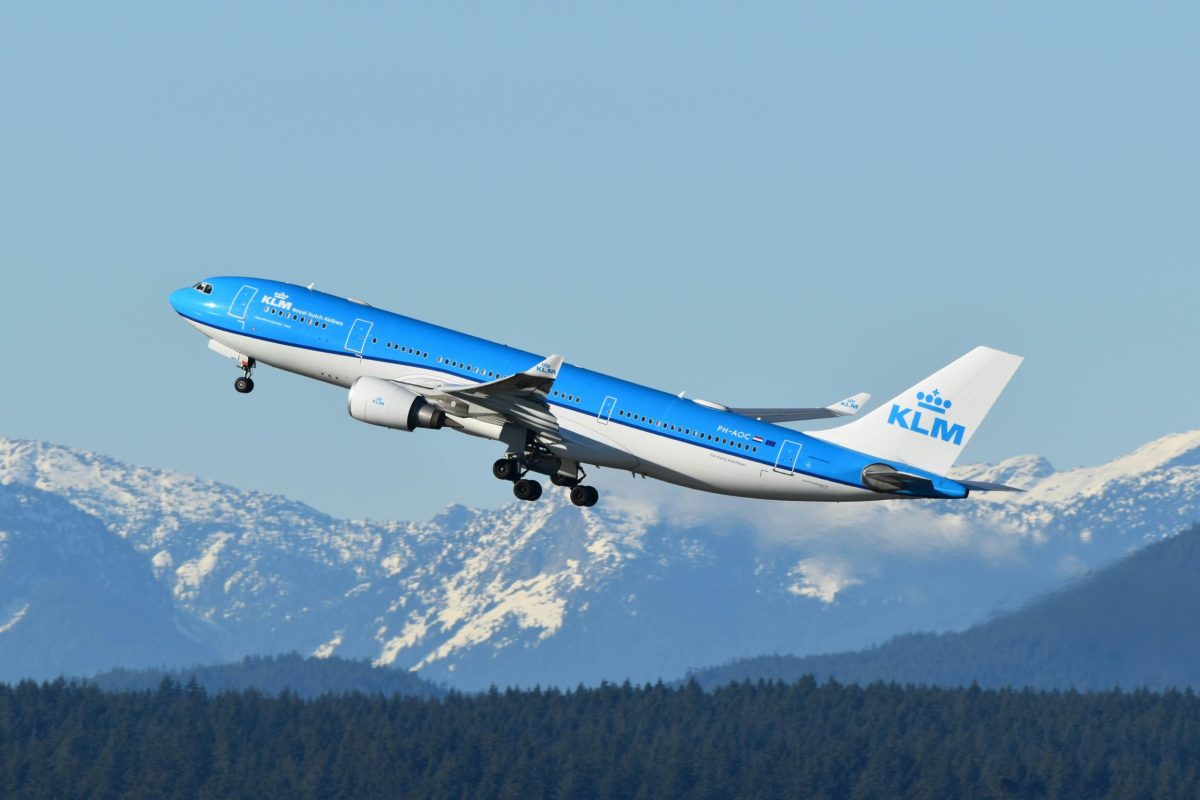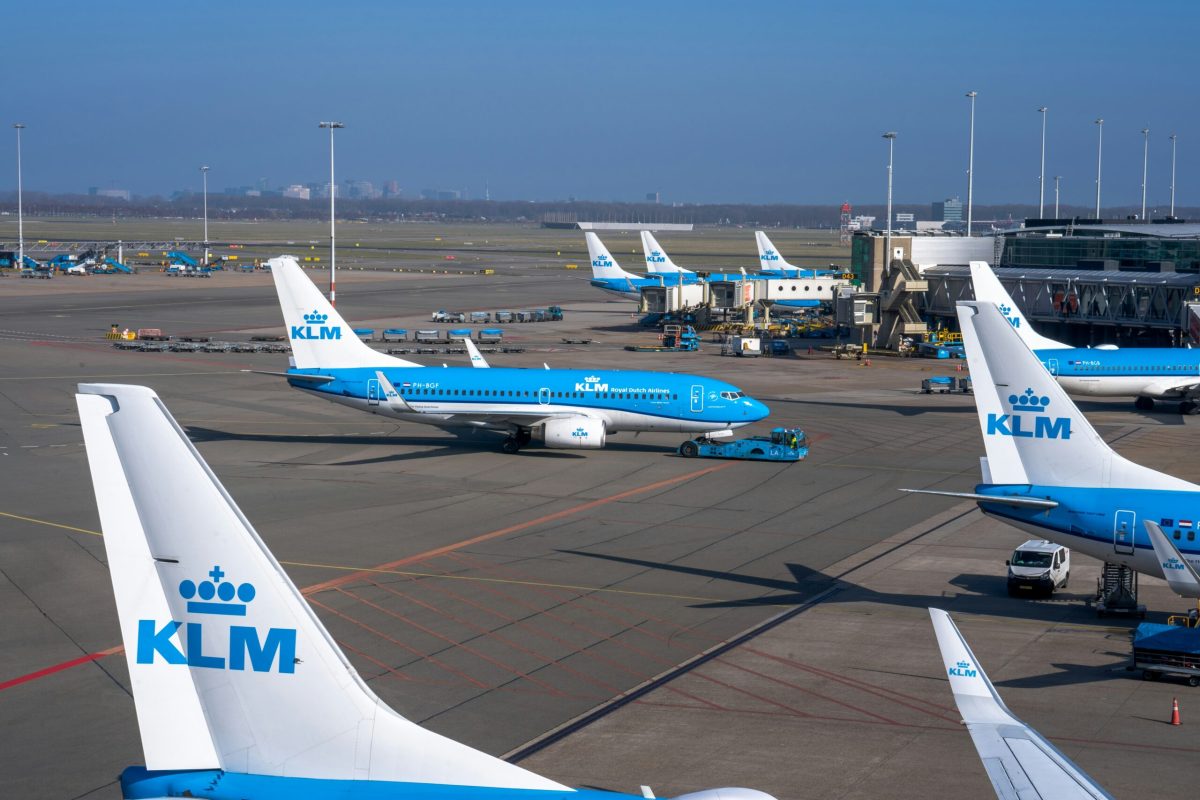
Commercial aviation just took a small but meaningful step forward. KLM Cityhopper recently operated a passenger flight between Amsterdam and Hamburg powered by a blend that included synthetic kerosene (e-SAF), marking the first commercial service using this fuel type to reach Germany. It sounds like sci-fi, but the technology is already operational. The challenge now is getting enough of it to actually matter.
So what exactly is e-SAF? Think of it as jet fuel made in a laboratory instead of pumped from the ground. Engineers take renewable electricity, captured carbon dioxide pulled straight from the air, and water, then run them through a power-to-liquid process. The result is a fuel that works in today's aircraft without any engine modifications and cuts lifecycle emissions by more than 90 percent compared to traditional kerosene. No retrofitting planes. No new airport infrastructure. It slides right into existing systems.
That compatibility matters more than you might think. Unlike some green fuel experiments that require entirely new engines or aircraft redesigns, e-SAF can scale gradually by blending it with conventional fuel. The recent Hamburg flight used just a 5 percent blend, but that's not a bug. It's a feature. These test flights exist to prove that synthetic fuels can be safely mixed into commercial operations, that airports can handle them, and that nothing falls out of the sky when passengers board.
KLM isn't breaking new ground here either. The carrier already completed a similar milestone back in 2021 when it flew the first synthetic kerosene flight from Amsterdam to Madrid. But this Hamburg operation reveals something troubling about the real world obstacles standing between lab success and widespread adoption. The 2021 flight used 500 liters of synthetic fuel. The latest flight? Only 200 liters. Production capacity is actually shrinking, not growing. This despite mounting climate pressure and increasingly strict European regulations.
The Gap Between Promise and Reality
Europe's ReFuelEU Aviation regulation is pushing airlines to gradually increase their use of sustainable aviation fuels in coming years, with specific targets for both conventional SAF and the newer e-SAF variants. The EU wants to reduce aviation emissions and force the market to scale up production. The problem is that airlines and fuel producers are essentially saying the same thing: we can't meet your targets without vastly more production capacity, and we can't build that capacity without solving the cost problem first.
Because here's the uncomfortable truth about e-SAF: it costs roughly four times more than conventional sustainable aviation fuel and eight times more than regular fossil kerosene. The production process demands enormous amounts of renewable electricity and industrial systems that are still in their infancy. Add in Europe's notoriously slow permitting procedures and regulatory uncertainty, and investors get nervous. Why sink billions into new facilities when the rules might change next year?
Airports Are Becoming the Real Gatekeepers
Hamburg Airport, which supported this flight, has already geared up its infrastructure to handle alternative fuels. They've built systems for storage, blending, and distribution. That matters because as more airlines begin testing synthetic fuel blends, airport readiness becomes a real constraint. Not every hub has made this investment yet. It's quietly becoming one of the determining factors in how quickly these fuels can actually scale across Europe.
KLM CEO Marjan Rintel summed up the paradox perfectly after the flight: "Flying on synthetic kerosene is technically possible, but the reality is that the availability of e-SAF lags far behind ambition." She called for government, industry, and partners to collaborate on scaling production and bringing down costs. Translation: we need your help to make this work.
Looking ahead, synthetic fuels like e-SAF will almost certainly play a role in reducing aviation emissions. But they're one piece of a much larger puzzle that includes conventional SAF, newer propulsion technologies, and probably some solutions we haven't invented yet. For travelers watching the climate impact of their trips, the Amsterdam-Hamburg flight proves the tech works. It just proves something else too: the aviation industry has dreams way bigger than its current production capacity can support.