When the thermometer hits dangerous levels across Europe, most travelers hunker down in air-conditioned hotels or find a shaded cafe. But Italy has a better idea: flip the script entirely and explore the world's greatest ancient ruins under the stars.
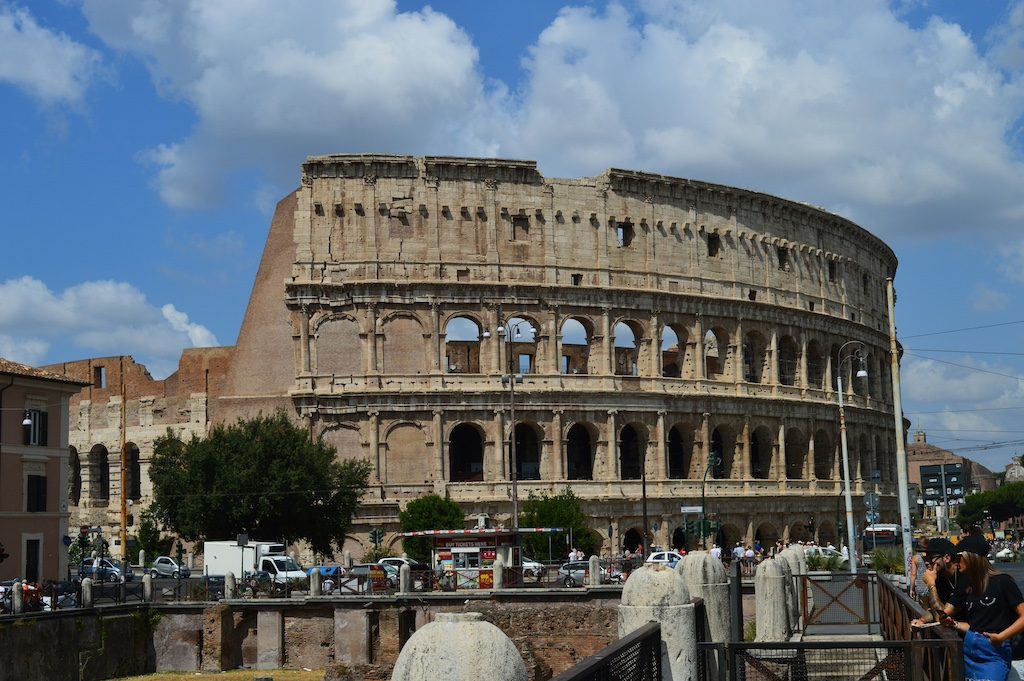
The Colosseum, Rome's most visited cultural monument with roughly 15 million annual visitors, will now stay open until 11:30 pm on Fridays and Saturdays throughout August. That means four additional hours to wander through the sand-swept corridors where gladiators once fought, without melting under the Mediterranean sun. The Pantheon, one of the planet's finest examples of Roman engineering, follows suit with extended hours until 11 pm every night except Thursdays (last entry 30 minutes earlier).
Milan is joining the effort too. The Castello Sforzesco, a fortress built in the 15th century, now stays open until 7:30 pm with discounted tickets for extended access to its museums, including the Michelangelo Pieta Rondanini and the free Passion for Drawing exhibition.
This shift comes as extreme summer heat continues reshaping European travel plans. More than 27 Italian cities, including Rome, Milan, Naples, and Venice, have issued red alert health warnings. The situation became critical last year when a 56-year-old tour guide died at the Colosseum, sparking urgent conversations about worker safety. Italy's Certified Tour Guide Association pointed out that leading tours between 10 am and 4:30 pm at the Roman Forum had become genuinely dangerous.
Italy's Ministry of Cultural Heritage framed the initiative as a chance to experience these monuments "in a particularly evocative setting" without the daytime crush and heat. The extended hours also align with a significant shift in why people travel to Italy. Culture just claimed the top spot as the primary reason for visiting, jumping from seventh place a decade ago. That trend translates into real money: tourism already contributes 58 billion euros annually to the national economy.
Tourism Minister Gianmarco Mazzi emphasized that these changes came after consulting with a wide range of stakeholders, from museum directors to guides themselves. "We're giving the highest priority to cultural tourism," he said, "and exploring growth potential in a sector already delivering enormous value."
Of course, the move isn't without critics. Some worry that longer working hours could actually make conditions harder for the already stretched tour guide workforce, many of whom face uncertain pensions and financial instability. Extending the workday might look good on paper but could deepen existing labor problems unless paired with better pay and protections.
Still, for visitors planning an Italian adventure during peak summer, the extended evening hours offer a genuine advantage: see the Colosseum's travertine arches glowing in floodlight, or stand in the Pantheon's cavernous rotunda after the day-trippers have cleared out. Sometimes the best way to experience a place is when everyone else is resting.