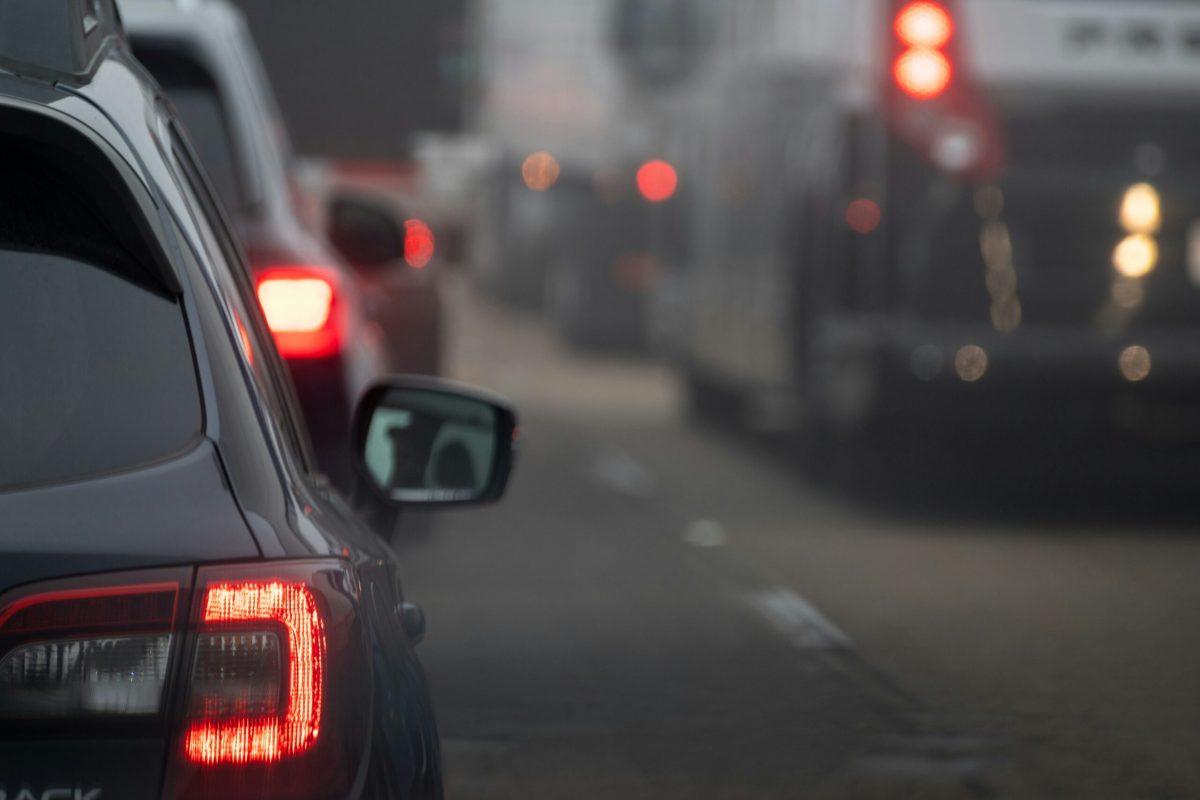
Ireland's roads transformed into a parking lot this week as tens of thousands of drivers took to the streets in a desperate stand against fuel prices that have reached crisis levels. Trucks, buses, agricultural vehicles, and delivery lorries formed slow-moving convoys that choked traffic in Dublin and beyond, while frustrated commuters watched their journeys stretch from minutes into hours.
The anger is understandable. Diesel now costs around EUR 2.14 per liter, with petrol sitting just under EUR 1.91. For professional drivers whose livelihood depends on fuel costs, these prices spell financial ruin. Farmers, haulage companies, and bus operators say they face closure if prices don't drop. The immediate trigger came from geopolitical tensions in the Middle East that spiked global energy costs and created shipping blockages affecting fuel supplies.
Travel Chaos Across the Island
Starting April 6, the disruptions rippled across Ireland with remarkable speed. Dublin's public transport system practically froze. The Luas tram network shut down, buses ground to a halt, and access to O'Connell Bridge, the iconic span connecting Dublin's north and south sides, was completely blocked on both approaches. That bottleneck sent shockwaves through the city center, making it nearly impossible to reach the scenic riverside quays where landmarks like the Custom House and Irish Emigration Museum sit.
Dublin Airport issued urgent notices asking passengers to allow extra travel time to reach flights. Translink, the operator handling Metro, Glider, and cross-border services to Northern Ireland, reported widespread cancellations and delays. Even long-distance coach services like Dublin Express were caught in the gridlock. If you're planning to visit Ireland or transit through it, prepare for significant headaches.
The situation extends beyond Dublin. Cross-border routes between the Republic and Northern Ireland are equally affected, making road travel unpredictable across the entire island. European energy prices have spiked broadly, but Ireland's geographic position and dependence on fuel-intensive transport make it especially vulnerable.
A Supply Crisis Hidden in Plain Sight
One striking detail emerged from the chaos: roughly 50 percent of Ireland's emergency fuel reserves are currently inaccessible because protesters have blockaded refineries and fuel terminals. This isn't just causing inconvenience. It's threatening the country's energy security and forcing difficult conversations about dependency on global supply chains.
Government officials, including Taoiseach Micheál Martin and Deputy Prime Minister Simon Harris, met with representatives from the Irish Road Haulage Association mid-week. Further talks were scheduled for April 10. The authorities have described the protests as peaceful despite their scale, though calls for police intervention grew as disruptions deepened.
What This Means for Travelers Right Now
If you're heading to Ireland in the coming days, expect delays on virtually every form of transport. Flight connections may slip. Ground transfers will take longer. Train and bus services are disrupted. Road trips require extra patience and flexibility.
The silver lining? The authorities and industry leaders are actively negotiating. These protests, while disruptive, are unlikely to drag on indefinitely. But this situation underscores something worth remembering: energy prices affect travel in ways that don't always make headlines until they do.
Check with your accommodations and transport providers before you travel. Build extra time into any connections. And consider whether your trip can shift by a few days if the situation worsens. Ireland isn't going anywhere, but the roads there are certainly going nowhere fast right now.