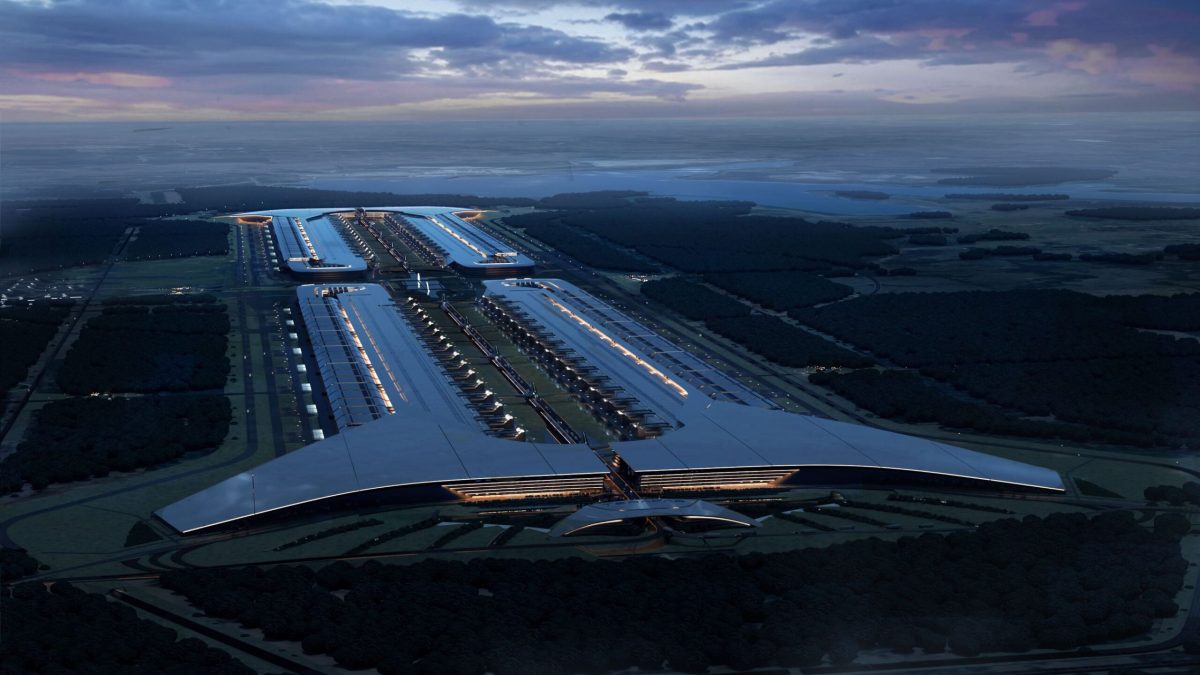
Picture this: a facility so massive it would dwarf the Pentagon, Apple Park, and the Mall of America combined, rising from the flatlands of southeastern Texas. That's the vision behind Terafab, an advanced semiconductor manufacturing plant that Musk unveiled in August 2026. If completed, it would occupy more than nine million square meters of space and become the largest building ever constructed on Earth.
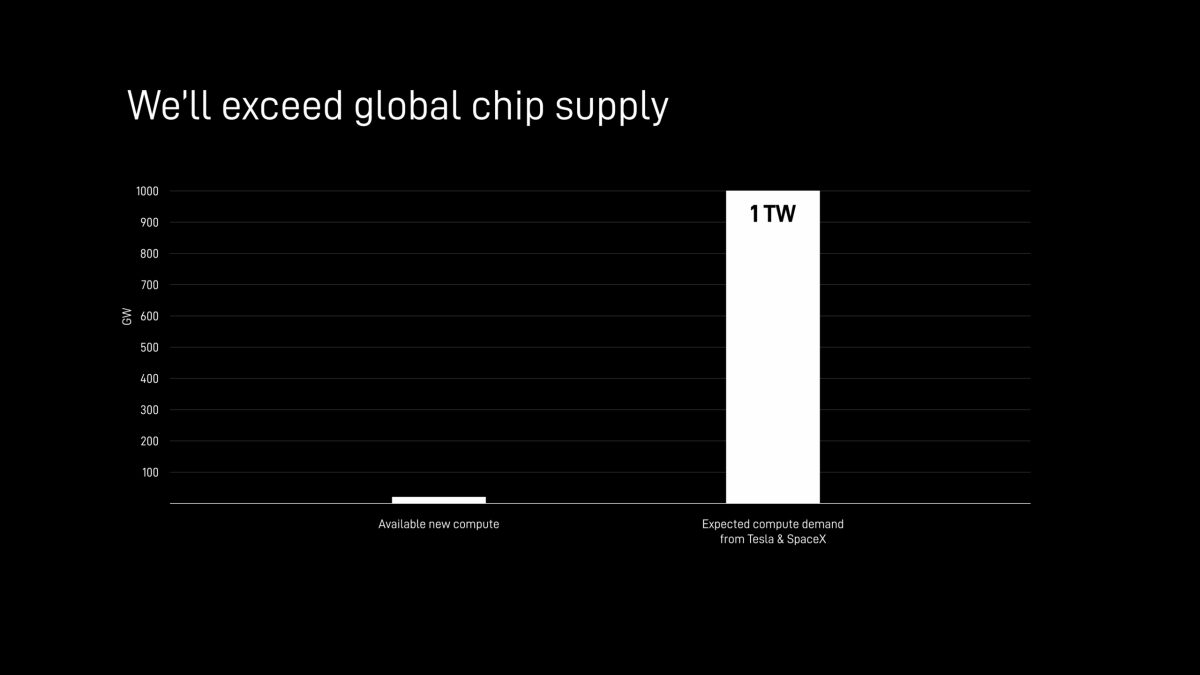
The scale is staggering, but the reasoning is simple. Tesla and SpaceX together are projected to need processing power that surpasses what the entire global semiconductor industry currently produces. Building one massive, integrated facility where chips can be manufactured, packaged, and tested under one roof promises rapid innovation cycles and custom components optimized for everything from Tesla's Optimus robots to SpaceX's orbital data centers.
A Landscape Transformed Overnight
The location tells its own story. Grimes County, positioned in southeastern Texas, has deep historical roots and a rural character that persists today. The facility will occupy the grounds of a former steam power station near Gibbons Creek Reservoir. Renderings show two symmetrical U-shaped structures with distinctive wing-like roofs and a service road threading between them. Musk promised the building will be stunningly beautiful, a statement that raises expectations for architectural ambition alongside industrial function.
The economics move fast here. Just two months before the August announcement, Grimes County officials sealed a deal: full property tax exemption plus a 30 million euro state grant to secure the investment. Initial estimates peg the cost at roughly 55 billion dollars, with projections climbing well beyond 100 billion. Employment forecasts suggest 1,800 to 3,000 jobs, though locals express skepticism about whether those positions will go to people already living in the area.
When Ambition Meets Environmental Reality
Here's where the celebration gets complicated. Semiconductor manufacturing is thirsty work, requiring massive quantities of ultrapure water. It's also energy-intensive, demanding constant climate and humidity control powered by substantial electrical loads. The industry relies on fluorinated greenhouse gases like nitrogen trifluoride, which traps heat in the atmosphere at a rate roughly 17,000 times more potent than CO2. Research presented at IEEE's 2021 High-Performance Computer Architecture symposium found that the semiconductor sector alone generates around 50 megatons of carbon emissions annually. As the tech industry continues building monumental infrastructure to support AI and computing demands, the environmental cost deserves serious scrutiny.
Musk acknowledged the supply-demand crunch directly, noting that this "looming gulf between supply and demand is at the core of Terafab's necessity." He also publicly encouraged current chip suppliers to expand their own production, suggesting this venture complements rather than replaces existing manufacturing capacity.
A Quiet Anxiety in Small-Town Texas
Life in Anderson, a town ten minutes from the construction site, feels poised on the edge of transformation. When a local news station asked business owners about the project, many refused to share honest reactions, fearing backlash from customers who might view criticism as unwelcoming to investment. One resident who relocated from Houston appreciated the "peace and quiet" and "wide open spaces," but acknowledged the obvious: change is coming, whether the town is ready or not.
This tension mirrors debates happening across America as ambitious industrial projects reshape rural landscapes. The arrival of major manufacturing hubs, large-scale construction ventures, and sudden economic transformation can energize communities while simultaneously disrupting the character that made them attractive in the first place.
Policymakers have already recognized the strategic value of rebuilding American semiconductor capacity. Terafab aligns squarely with national initiatives to reduce dependence on overseas chip production and fortify domestic manufacturing for everything from consumer electronics to national security infrastructure. The Texas location specifically signals confidence in the state's business environment and logistics advantages.
For travelers planning visits to rural Texas, Grimes County remains off most itineraries today. But the region's transformation into a technological hub raises interesting questions about how landscapes evolve and what "development" actually means for places that have held onto their character for generations. Whether Terafab delivers on its architectural promises or becomes a cautionary tale about unchecked industrial growth, this project will shape conversations about technology, environment, and progress for years to come.