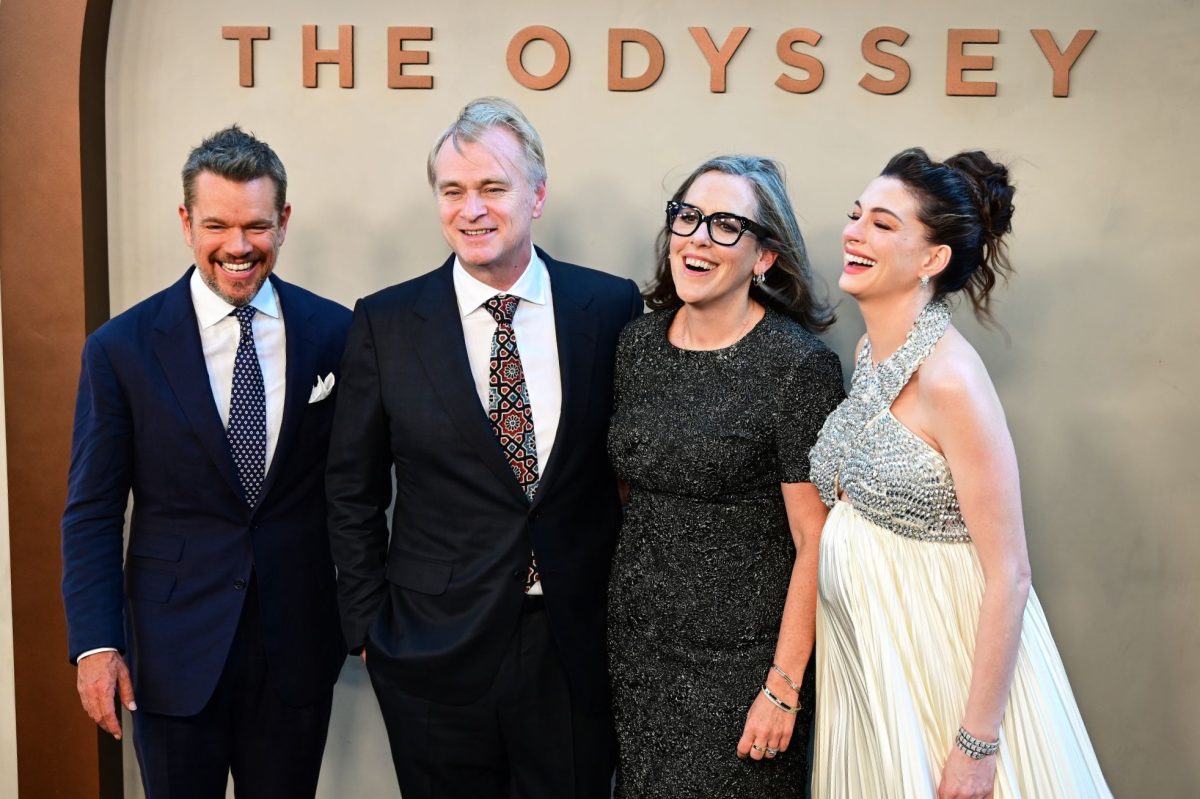
A decade after Nolan sent audiences spiraling through dreams in Inception, he's now asking them to follow an ancient Greek warrior across continents. The Odyssey arrived this summer with the kind of budget and star power that makes studios nervous: Matt Damon, Anne Hathaway, Tom Holland, Robert Pattinson, and Zendaya anchoring a 91-day shoot that eventually grossed $264 million in its opening weekend alone.
But numbers don't tell the real story. What matters is that Nolan didn't build Troy in a studio. He didn't greenscreen the Mediterranean. Instead, he dragged cast, crew, and enough equipment to fill a small country across five nations to make Homer's tale feel less like myth and more like lived experience. The result is a traveler's treasure map.
Greece remains the spiritual heart
You'd expect Greek soil to anchor a story about Odysseus, and it does. The production centered itself in the southwestern Peloponnese, using locations that blur the line between movie set and tourist destination. Nestor's Cave, perched above the Messenia beach of Voidokilia, became the lair of the Cyclops. Walk there yourself and you'll understand why Nolan chose it: the cave yawns open to the sea like an invitation from mythology itself.
Methoni Castle and Navarino Bay also made the cut, their weathered stones providing backdrops that feel less like acting and more like homecoming. If you're planning a Greece trip timed to follow in Nolan's footsteps, the Peloponnese is non-negotiable.
Sicily's hidden fortress becomes a palace
Favignana, the small island off Sicily's coast, appears in Homer's original epic as Goat Island. Nolan saw it differently: as the location for Odysseus's palace. The Castello di Santa Caterina, a ruin clinging to the island's edge, demanded helicopter access and serious hiking just to reach the film crew. That remoteness is exactly what sells it. Standing there, you're not visiting a famous landmark. You're trespassing on someone else's private mythic space.
The Aeolian Islands of Basiluzzo, Lipari, and Vulcano also appear in the finished film, each adding layers of volcanic drama to the narrative.
Morocco conjures ancient Troy
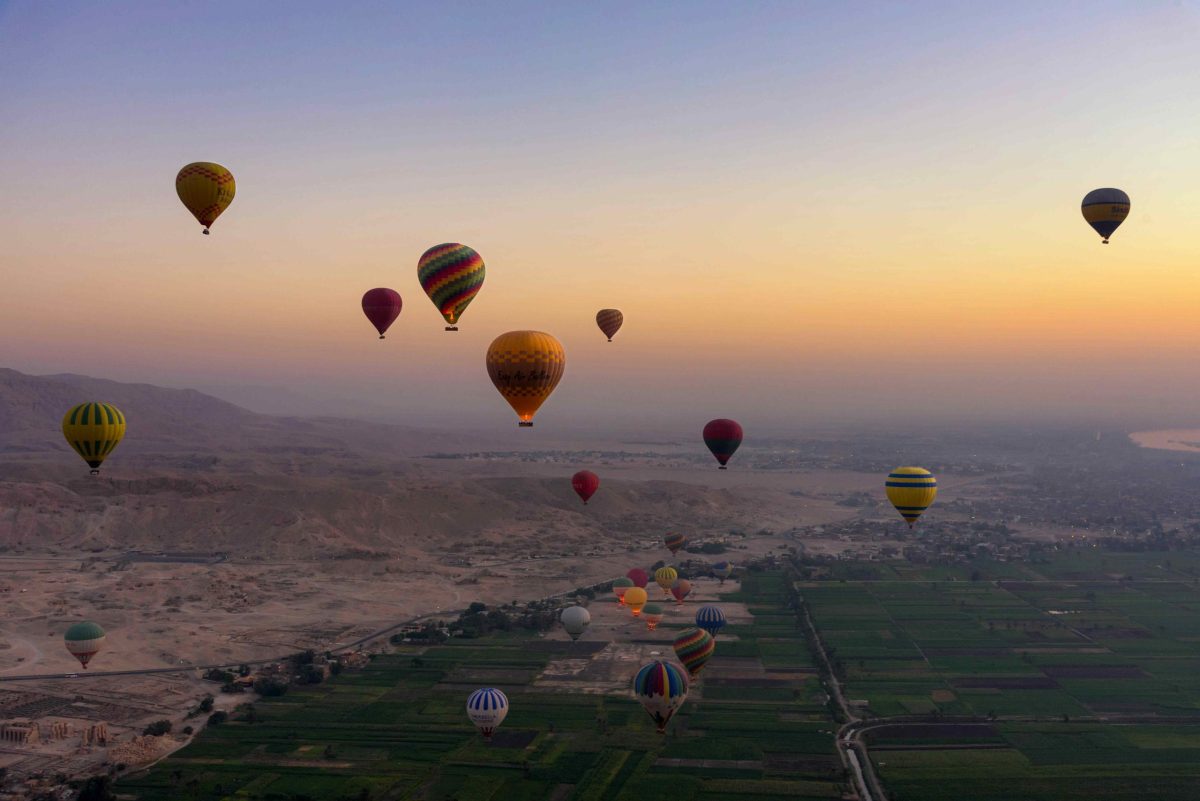
Here's where Nolan got creative. Instead of filming in Turkey where Troy actually stood (or where archaeologists believe it did), he sent his crew to Morocco. The UNESCO-listed village of Ait Benhaddou, with its earthen kasbah rising from the desert floor, became the Trojan War's most iconic location. Watch the film and you'll see horses and soldiers silhouetted against clay-colored architecture that looks pulled from another era entirely.
That's because it basically is. Ait Benhaddou has been a filming location since before cinema got serious, and it wears that history like an old coat. Other Moroccan locations, including Essaouira, Marrakech, and Tahanaoute, add texture throughout the narrative.
Scotland's strange, cold northeast
Scotland might seem like an odd choice for a Mediterranean epic, but that's exactly why Nolan picked it. The Culbin Forest on the Moray Firth coast in northern Scotland became the domain of the Laestrygonians, those fierce giants who nearly destroy Odysseus's fleet. Pine trees replace palm trees. Mist replaces sun. The landscape does the narrative work for you.
Nearby Findlater Castle, once home to Scottish nobility and now just romantic ruins, stood in for Aeaea, the magical island ruled by the sorceress Circe. If you're exploring Scotland anyway, the northeast coast offers drama that doesn't need special effects.
Iceland becomes the underworld
The coldest and strangest choice came last. Nolan decided early that Iceland's alien landscape would represent Hades itself. "This journey north, further and further into the cold, couldn't be further away from Odysseus's home in Ithaca," he explained in the production notes. Scenes of the hero consulting with the prophet Tiresias in the underworld were filmed around Hjörleifshöfði mountain's black sands and caves during June's perpetual daylight. That juxtaposition, between eternal day and the realm of the dead, creates an uncanny tension that no sound stage could replicate.
The Snæfellsnes peninsula and the port of Landeyjahöfn also appear in the film. If you're planning an Iceland adventure, these locations offer something beyond the usual Golden Circle route: actual filmmaking locations where you can stand in the exact spot Damon walked.
Why this matters for travelers
Movie tourism can feel shallow, a tick-box exercise in Instagram verification. But The Odyssey's locations aren't famous because they're in a film. They were chosen because they're magnificent. A cave above a Greek beach doesn't need Hollywood validation. A Moroccan kasbah doesn't require a director's approval to matter. Nolan just recognized what was already there and pointed his camera at it.
That's your actual invitation. These places existed long before the cameras arrived and will outlast the film's theatrical run. The movie is just an excuse to visit them properly, to walk the ground, to understand why Nolan flew a crew across the globe instead of building it in a studio. That's not tourism. That's a pilgrimage dressed up as entertainment.