Planning a hotel stay used to mean squinting at search results, toggling through amenity checkboxes, and hoping something matched what was actually in your head. Hilton is trying to change that with a new AI-powered tool that works more like talking to a helpful friend than navigating a website.
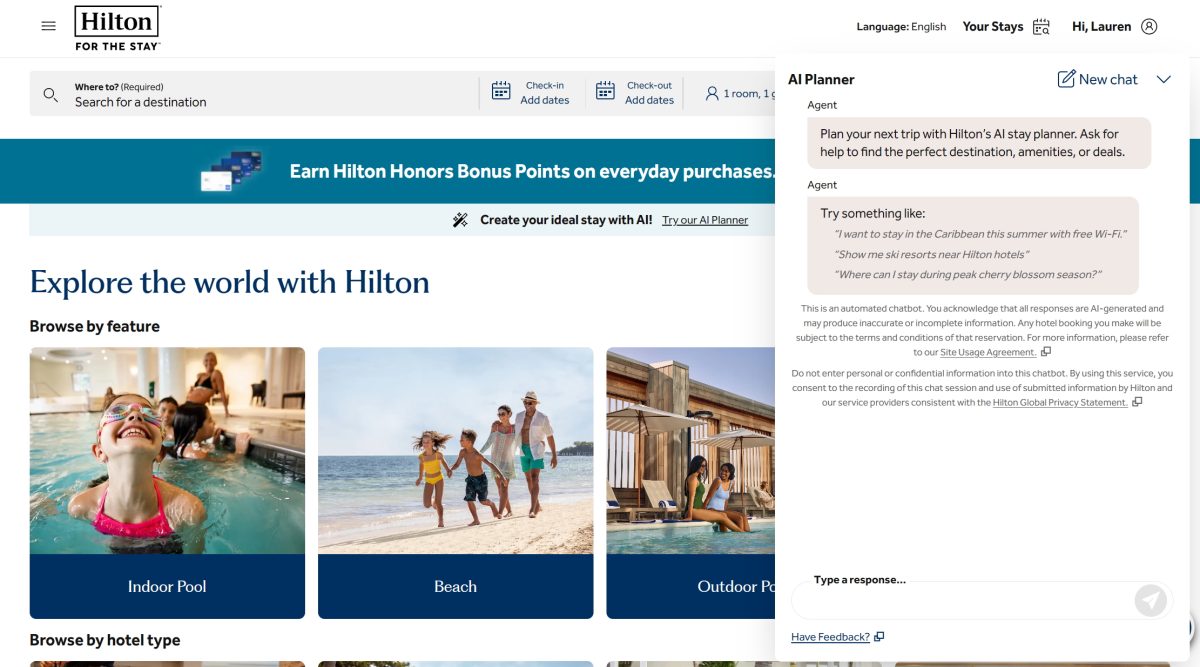
The Hilton AI Planner, now testing on Hilton's site, functions as a conversational concierge. Instead of using traditional menus and filters, you describe what you're looking for in plain language. Want a beachfront property with a spa near a good restaurant scene? Tell it. Searching for something quiet with hiking access? It listens and responds with real options from Hilton's global portfolio.
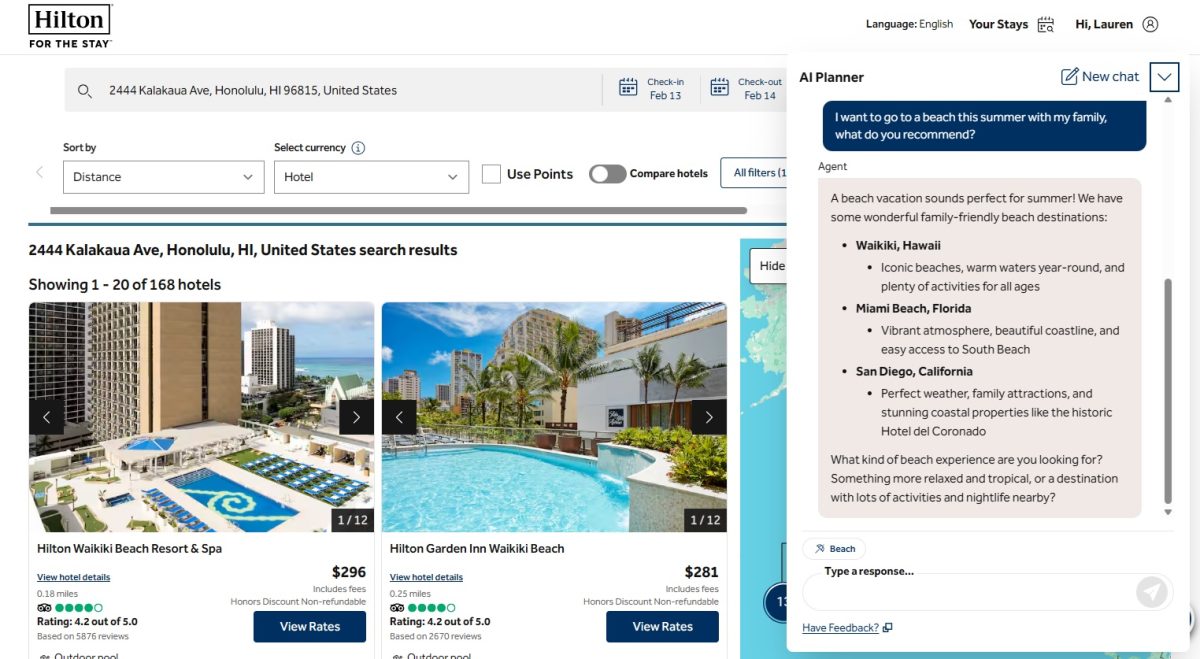
The system generates recommendations based on what you say, surfacing destinations, specific properties, and relevant features that match your preferences. The beta launch is currently reaching a limited portion of site visitors, with plans to expand access over time as the tool learns from early users.
A Bigger Shift in How We Book
This move reflects something larger happening across the hospitality industry. Europe's tourism industry is finally ditching its playbook, and tech-forward companies are responding by rethinking how travelers interact with their services. Hotels and booking platforms are racing to deploy AI assistants and digital tools that make planning less friction-filled and more intuitive.
Michael Leidinger, Hilton's senior vice president and chief information officer, framed the launch as part of the company's broader innovation push. "For decades, Hilton has been at the forefront of hospitality innovation," he said, referencing past wins like the Hilton Honors app and Digital Key technology. "The AI Planner marks another step forward in our journey to reimagine the travel experience. This is just the beginning."
The Human Element Still Matters
Not everyone is ready to swap human service for algorithms. A recent survey of hotel operators revealed an interesting tension: while AI chatbots and smart room systems are spreading, many guests still prefer talking to actual people, especially during check-in and other front-desk interactions. The technology works best as a planning aid, not a complete replacement for personal touch.
Hilton is approaching this realistically. The company plans to monitor feedback from early testers and use those insights to expand what the AI Planner can do. It's a classic test-and-learn approach. Early users become the beta team, shaping how the tool evolves and, potentially, how Hilton's entire digital ecosystem develops going forward.
The real question isn't whether AI will change travel planning (it already is), but whether it'll actually make booking better or just feel like another corporate attempt to reduce costs. So far, removing friction from the planning stage feels like a genuine win for the traveler. Your move, other hotel chains.