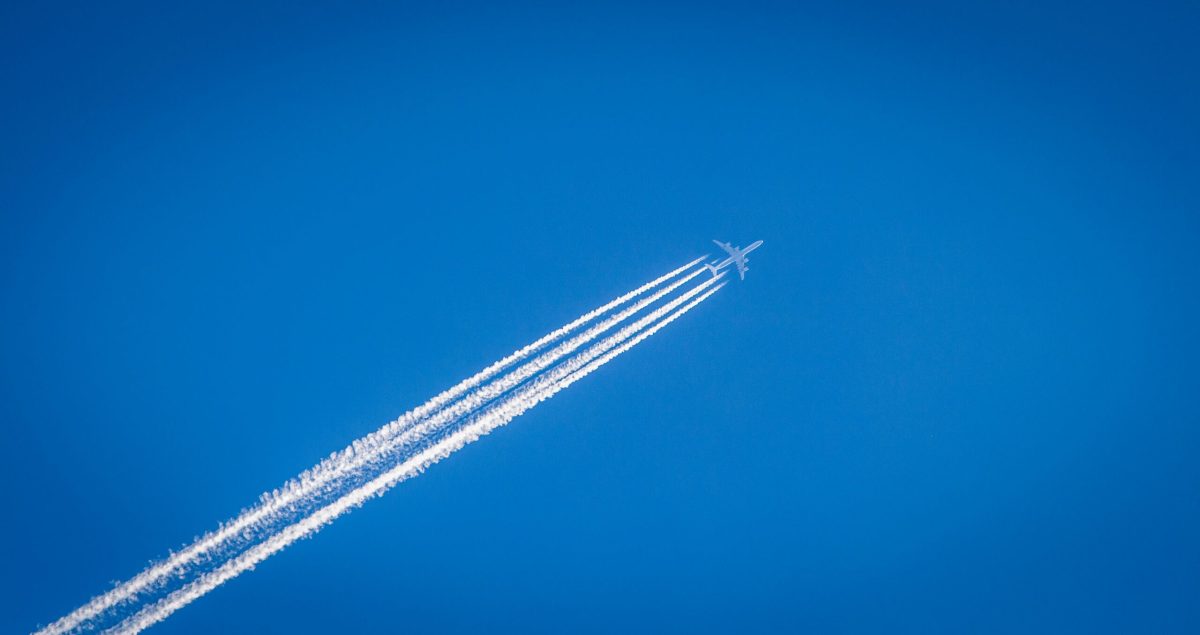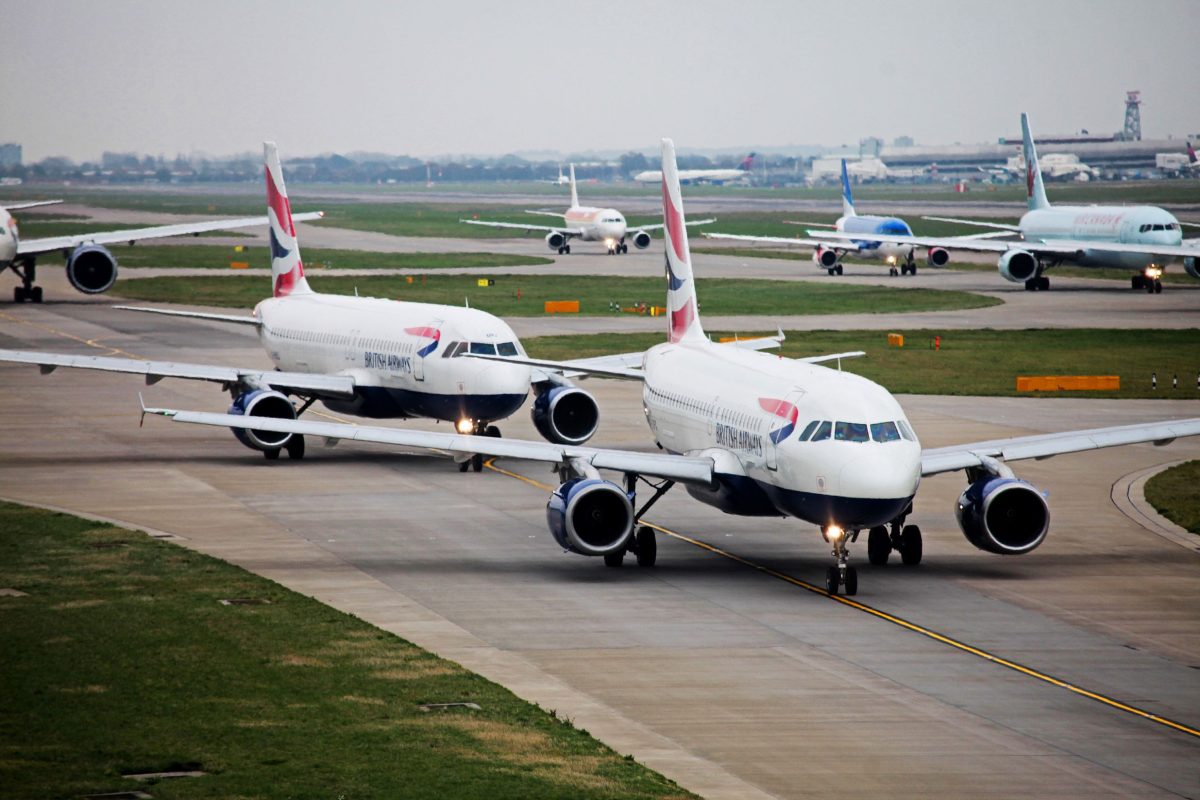
For nearly a quarter of a century, the idea of a third runway at Heathrow has hovered over British aviation like a plane stuck in a holding pattern. First proposed in 2003, approved twice, and now back on the table with a target opening date of 2035, the project is a political football that just won't stop rolling. But this time, the UK's independent climate advisers are adding a new twist. They want the airlines to pay for the environmental damage they'd cause.
The Climate Change Committee (CCC) has told the government that any expansion must come with a legally binding requirement for the aviation industry to clean up its own mess. That means airlines would have to either slash their emissions to zero by 2050 or pay for engineered carbon removal, a process that sucks CO2 out of the atmosphere and stores it permanently. The principle is simple. Polluters pay.
Nigel Topping, the chair of the CCC, put it bluntly in a recent statement. "The government cannot expand Heathrow airport without requiring the aviation industry to clean up its emissions," he said. "The polluter-pays principle must apply." His comments were echoed on social media, where the Climate Change Committee's official account warned that the third runway should be stopped unless the government can credibly guarantee aviation emissions will be cut to zero by 2050.
The stakes are high. The current blueprint, which carries a price tag of around £33 billion (roughly €38.5 billion), would add a 3,500-metre runway and a new terminal to the northwest of the airport. That means demolishing 750 homes across at least three villages and diverting the M25 motorway that circles London. In exchange, Heathrow would handle up to 756,000 flights a year, a 58% jump from today's 480,000. The government argues this is a price worth paying, pointing to £219 million invested in sustainable aviation fuel (SAF) and another £43 million in cleaner technologies. They claim the expansion could deliver £40 billion to the economy and support 60,000 local jobs.
But environmental groups, including Transport & Environment, say the extra flights would blow through the UK's carbon budgets and make the 2050 net-zero target nearly impossible to reach. The CCC's proposal would force airlines to use more SAF and pay for permanent carbon removal, a cost that would inevitably trickle down to passengers. That has the aviation industry pushing back hard.
Tim Alderslade, chief executive of Airlines UK, warned that such measures would "put holidays out of reach for millions, turning the clock back to a time when flying was the preserve of the rich." He called instead for more affordable SAF, more direct routes, and scaled-up carbon removal technologies. Heathrow itself struck a more conciliatory tone, insisting that expansion "cannot be a choice between economic growth and net zero, it must deliver both." The airport says it will keep working with the government and partners to ramp up proven technologies, while exploring how the billions of pounds passengers already pay in carbon taxes could be used to support these efforts.
For travelers, the debate raises a bigger question. How much are we willing to pay for the convenience of flight? The answer could reshape the industry in ways that go far beyond Heathrow. Airlines across Europe are already wrestling with similar pressures, as seen in the pushback from pilots against Dubai's expansion, and the safety concerns that sparked strikes at Brussels Airlines. The challenge of balancing growth with sustainability is not unique to the UK, but Heathrow's decision could set a precedent for airports worldwide.
If the CCC gets its way, flying from London could become noticeably more expensive. But supporters argue that the true cost of aviation has never been reflected in ticket prices. The atmosphere has been subsidizing the industry for decades, and someone has to pick up the tab eventually. Whether that someone is the airlines, the passengers, or the government is the fight now playing out in Westminster.
For now, the third runway remains a proposal, not a construction site. But the conversation around it has shifted. It's no longer just about concrete and flight paths. It's about who takes responsibility for the sky we share. And that's a debate every traveler has a stake in.