Some travelers pack light. Others pack weird. But on October 4, 2026, one man took the concept of a carry-on to a whole new level.
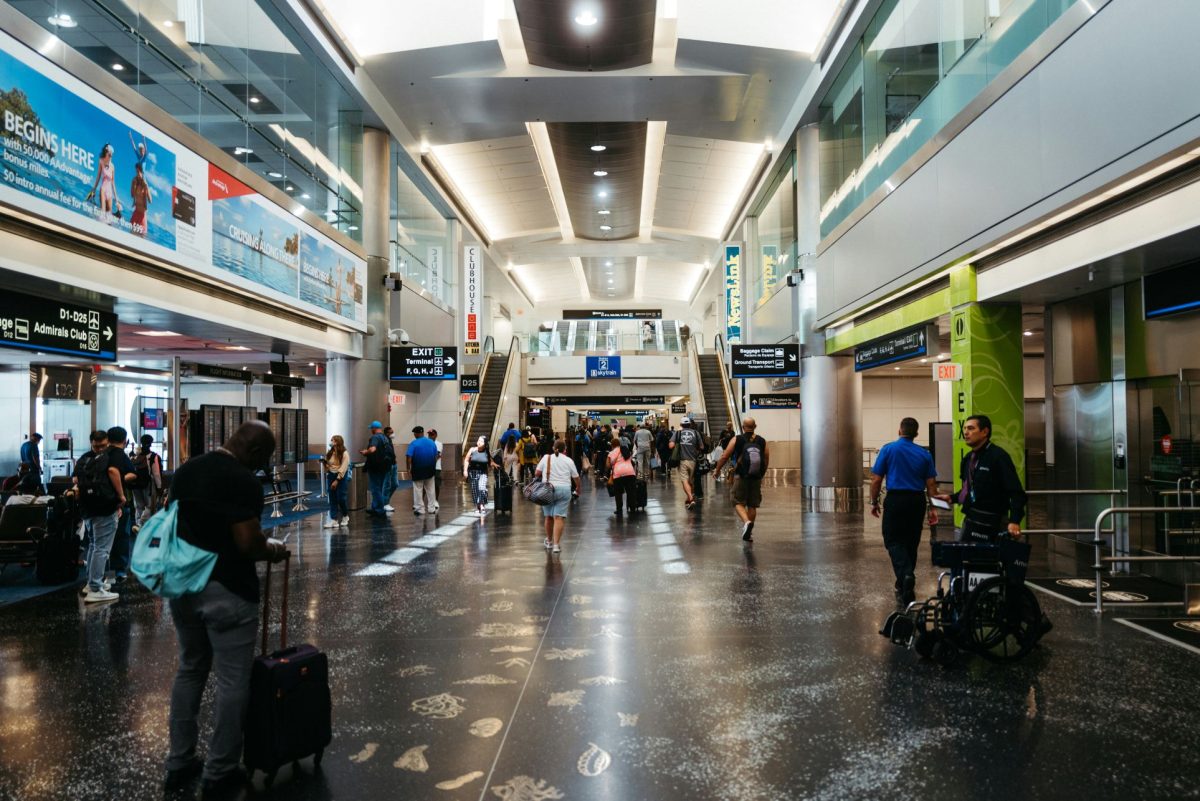
Alberto Hernandez Castillo, a Cuba-born permanent U.S. resident, landed at Miami International Airport on a World Atlantic Flight from Havana. He had a carry-on bag, a fanny pack, and a secret stash that would make any smuggler blush. Customs officers noticed an unexplained bulge around his pelvic area and pulled him aside for a closer look.
What they found was not a phone, a wallet, or even a snack. Castillo had sewn six plastic tubes into his underwear, wrapped in tape and covered with black mesh for airflow. Inside those tubes were 10 live birds, eight yellow-faced grassquits and two blue grosbeaks. The mesh was there to let the birds breathe, which suggests this was not a spur-of-the-moment decision.
The birds are prized in the illegal pet trade, and their capture is a serious problem for conservation. The blue grosbeak, a North American songbird, is protected under the Migratory Bird Treaty Act of 1918, making its transport without a permit a federal crime. The yellow-faced grassquit, while more common, is still a target for traffickers who sell them as cage birds.
Castillo initially told investigators the birds were for personal use, then invoked his right to remain silent. He was charged with smuggling wildlife, appeared in Miami federal court, and was released on a $25,000 personal surety bond. His arraignment is set for October 26, 2026.
This incident is a stark reminder that airport security is about more than just liquids and laptops. Wildlife trafficking is a multi-billion-dollar industry, and airports are prime hunting grounds for enforcement. If you are flying internationally, always declare any animals or wildlife products you are carrying. The penalties for getting caught are steep, and the harm to animal populations can be irreversible.
For travelers, this story is also a lesson in what not to do. Smuggling live animals in your underwear is not only illegal, it is cruel and dangerous. The birds were packed in tight tubes, and the stress of the journey could have killed them. Fortunately, they were discovered and likely handed over to wildlife authorities.
If you are planning a trip and want to avoid any customs drama, check the rules before you pack. The U.S. Fish and Wildlife Service has strict regulations on importing animals, plants, and their products. And if you see something suspicious at the airport, you can report it anonymously.
This case also highlights the broader issue of wildlife trafficking at U.S. airports. Just last month, health officials warned about measles cases at airports, showing that airports are hotspots for more than just flight delays. And while you are thinking about airport security, remember that UK airports are moving to facial recognition by 2027, which could change how you pass through checkpoints.
For now, Castillo's case is a cautionary tale. Next time you are tempted to bring a souvenir home, think twice. It is not worth the jail time, the fine, or the harm to the animals. And if you are ever in doubt, just ask yourself: would I want to be stuffed in a tube in someone's underwear? Probably not.