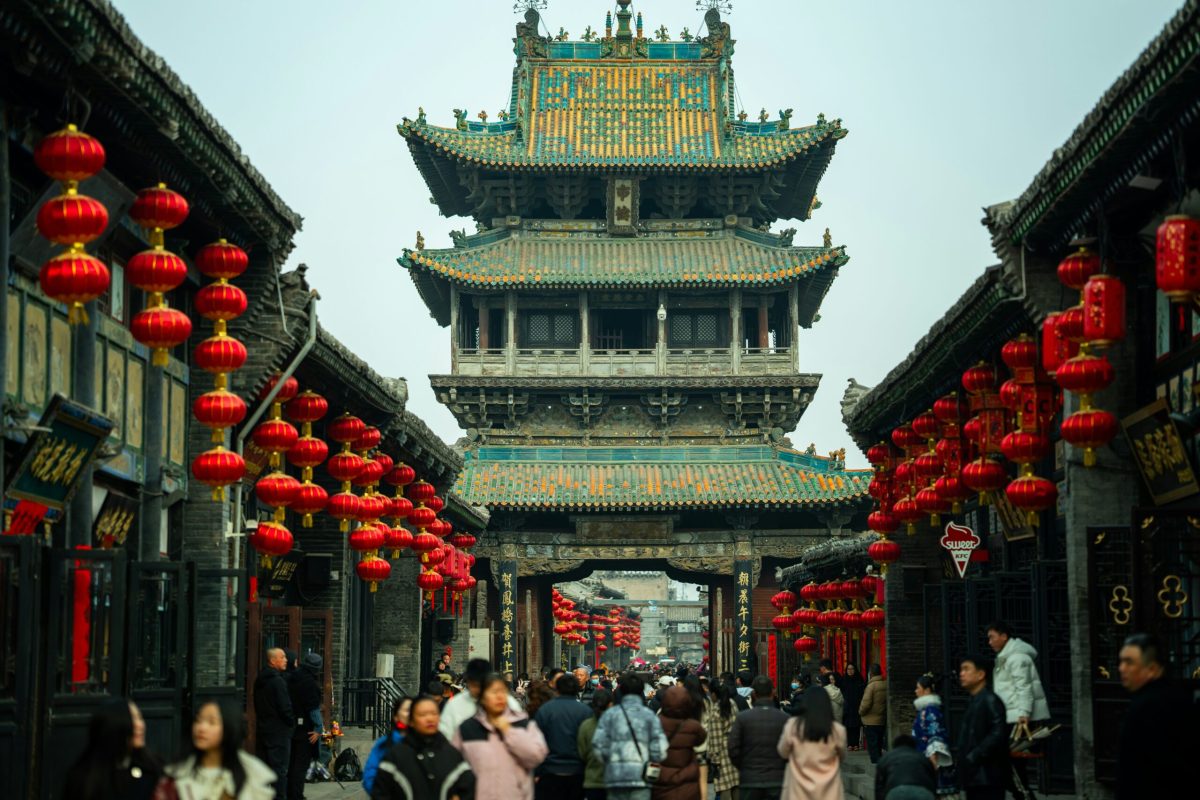
For years, Japan was the dream destination for Chinese travelers during Golden Week. The cherry blossoms, the food, the neon-lit streets of Tokyo and Osaka. But in 2026, something shifted. Japan didn't just slip in the rankings. It vanished from the top ten entirely.
According to data from Chinese travel agency Tuniu, reported by Kyodo News, Japan didn't even make the top ten destinations for Chinese travelers during this year's Golden Week. Instead, Indonesia, Turkey, and South Korea took the lead. Tongcheng Travel's data echoes this, with Bangkok, Kuala Lumpur, and Seoul topping the list of most popular outbound cities. No Japanese city appeared in the top ten.
The reason is political. Since November 2025, tensions between Tokyo and Beijing have been palpable. Japanese Prime Minister Sanae Takaichi made a statement that broke with Japan's long-standing strategic ambiguity over Taiwan, suggesting that the Self-Defense Forces could act if a Chinese attack on Taiwan threatened Japan's survival. Beijing responded with a travel advisory urging citizens to avoid Japan. The impact was immediate and severe.
By July 2026, the Japan National Tourism Organization reported the first drop in post-pandemic visitor numbers in six years. Chinese arrivals fell by 56%. The Golden Week holiday, which ran from October 1 to 7 this year, with many combining it with the Mid-Autumn Festival for a 13-day break, confirmed the trend. The Chinese government estimated 2.13 billion passenger trips during the period, but Japan wasn't part of that surge.
This is a stark reversal for a country that had been riding high on a tourism boom. Just last year, Japan was welcoming record numbers of visitors, and the government was touting ambitious goals for 2030. Now, the industry is scrambling. Hotels in Tokyo and Kyoto that once sold out months in advance are seeing cancellations. Tour operators are pivoting to other markets. The ripple effects are being felt across the country, from the bustling streets of Shinjuku to the quiet temples of Kyoto.
But there's a silver lining for travelers who do make it to Japan. With fewer crowds, the experience is more intimate. You can actually get a seat at that famous sushi counter without a reservation. The tourism boom hit a wall, and for those willing to go, it means a more authentic Japan. The country's quietest prefectures, like Shimane, are now more accessible than ever. A 350 km loop through Japan's quietest prefecture just opened, offering a chance to explore without the crowds.
Meanwhile, long-haul travel from China is booming. Qunar, a Chinese online travel platform, reported that long-haul flights over 2,000 km rose by 48% on the first day of the National Day holiday, and those over 8,000 km rose by over 30%. Chinese travelers are voting with their wallets, choosing destinations further afield. This shift is reshaping global tourism patterns, with countries like Turkey and Indonesia reaping the benefits.
For Japan, the road to recovery is uncertain. The diplomatic tensions show no signs of easing, and the travel advisory remains in place. But the country's tourism industry is resilient. It has weathered crises before, from the 2011 earthquake to the pandemic. The question now is whether it can adapt to a world where its biggest source of visitors has turned away. For travelers, this might be the perfect time to visit Japan, before the crowds return and the prices go back up. Just be prepared for a different kind of Golden Week.