Grab your walking shoes and charge your phone. On February 27 and 28, Germany's public transport network is grinding to a halt. For two full days, buses, trams, and U-Bahns across the country will either vanish entirely or crawl along skeleton schedules. This isn't a minor inconvenience. This is the kind of disruption that turns a smooth city getaway into an improvised adventure.
Verdi, one of Germany's largest labor unions representing roughly 100,000 workers at around 150 transport companies, organized the strike. After stalled negotiations over pay and working conditions, the union decided to make noise. The message is clear: transport workers are burned out, underpaid, and done waiting.
What's Actually Shutting Down
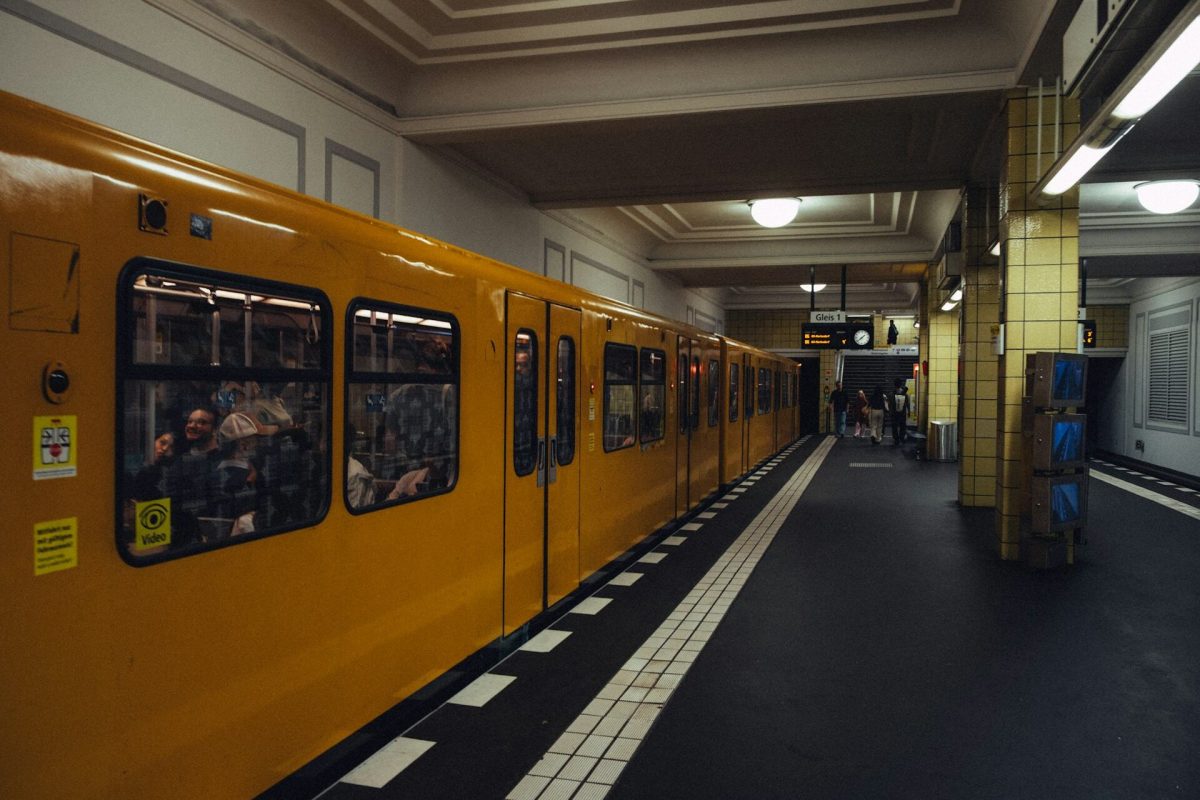
Underground trains (U-Bahns) will either stop running or operate minimal emergency routes. Local buses and trams will face severe disruptions across every major city. Berlin, Hamburg, Frankfurt, Munich, Cologne - nowhere is spared. Even S-Bahn trains serving suburbs and larger metropolitan areas may run late or not at all, though some service should continue.
The one silver lining? Long-distance trains like the ICE and IC services operated by Deutsche Bahn will keep moving. If you're zipping between cities, you're okay. But if you're trying to get around inside a city, expect friction.
Why Workers Are Pushing Back This Hard
This strike didn't appear out of nowhere. Transport employees are asking for reasonable things: shorter working weeks, longer breaks between shifts, and salary increases around 10 percent in some regions. They also want better compensation for night and weekend shifts. The real issue underneath all this is burnout. Germany's public transit system has been bleeding staff, and the ones still working are stretched thin. Verdi's deputy chair Christine Behle put it plainly: without serious improvements to working conditions, public transport can't survive as a functioning system.
Earlier strikes in February already showed how fragile the situation is. This weekend's action signals that patience has officially run out.
How to Actually Get Around
- Walk or bike if you can. Cities are more compact than visitors realize, and exploring on foot often reveals better things anyway.
- Try car-sharing services like Flixcar or local apps for short trips within cities.
- Check long-distance train schedules. Deutsche Bahn services should run normally, so if you need to reach another city, book those journeys confidently.
- Use ride-sharing apps sparingly if walking isn't feasible, but expect surge pricing on strike days.
- Plan ahead. If you're renting a car, now might be the weekend to do it.
What About Refunds and Tickets
Canceled services may qualify for refunds or rebooking, but the rules vary by operator. Contact your specific transit company ahead of time to understand their strike policies. Some may offer flexibility others won't. Getting clarity before Friday beats scrambling at a ticket counter.
Checking Local Updates
Transport authorities in each city sometimes implement minimal emergency timetables during strikes. Check your destination's official transit website (BVG for Berlin, for example) on Friday morning for real-time updates. News outlets will also track how the strike unfolds and whether any last-minute deals get struck.
The bottom line: if you're traveling to Germany this weekend, expect friction in cities but don't panic. Pack flexibility into your plans, wear comfortable shoes, and remember that the best travel stories often come from the disruptions nobody planned for. Sometimes getting lost becomes the trip's highlight.